Photo: Well This Is News
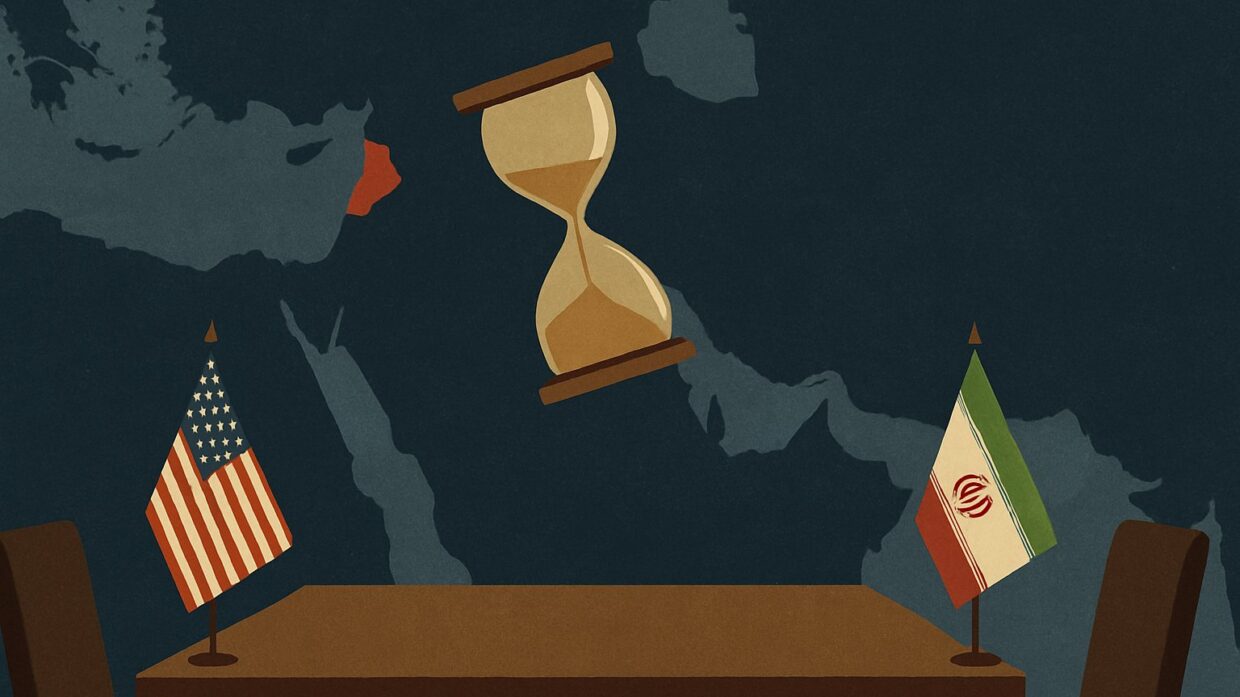
US-Iran talks cancelled as Israel-Hezbollah violence escalates under Trump watch
Trump's Iran framework tested as Israel-Hezbollah ceasefire replaces failed negotiations
Trump envoys head to Switzerland as US-Iran nuclear talks abruptly postponed
Key Takeaways
- The precise sequence of events remains unclear from available reporting: whether the Israel-Hezbollah escalation triggered the cancellation, was timed to coincide with it, or occurred independently.
- Israel's decision to maintain military occupation of southern Lebanon despite a ceasefire suggests regional actors believe the Trump administration will not pressure withdrawal, raising questions about what leverage exists to achieve any negotiated outcome.
- The current negotiations occur after Trump withdrew from the JCPOA in 2018, yet the public record does not disclose what specific terms the administration would accept or whether Iran views these talks as a serious engagement rather than a negotiating trap.
The Analysis
The Trump administration's Iran nuclear negotiations were cancelled abruptly when White House envoy Steve Witkoff's delegation was already stationed at a Swiss airbase, according to Axios reporting. The postponement followed military exchanges between Israel and Hezbollah, though the precise sequence of events and causation remains unclear from available reporting. JD Vance's staff had been prepared to depart when the talks were scrapped, indicating a last-minute decision rather than a planned delay.
The Guardian frames this as a diplomatic failure occurring "under Trump's watch," emphasizing that the administration's diplomatic overtures collapsed amid regional violence. The framing draws a causal line between Trump's policy approach and escalation, though the reporting does not establish that Trump administration actions triggered the Israel-Hezbollah violence. The Guardian's language selection, "abruptly called off," conveys sudden disruption without establishing who decided to cancel or why. The emphasis falls on failure and loss of control rather than on the sequence of military events.
Fox News and the Washington Examiner present the ceasefire between Israel and Hezbollah as validation of Trump's regional approach rather than as evidence of diplomatic setback. Fox describes the ceasefire as "the first test of Trump Iran framework," reframing the cancelled talks as secondary to Israel's security posture. This framing emphasizes continuity and forward momentum, treating the negotiation delay as tactical adjustment rather than failure. The Washington Examiner quotes Israeli Ambassador Yechiel Leiter's confirmation that Israel remains committed to the ceasefire while continuing occupation of southern Lebanon, using official validation to legitimize the outcome.
What neither frame directly addresses is the sequence of causation. The available reporting does not establish whether Israel and Hezbollah escalated because talks were scheduled, whether the violence was pre-planned, or whether the timing was coincidental. Axios reports that Trump stated in a separate interview that Iran intervention "is possible," suggesting the administration retains military options alongside diplomatic channels. This statement appears designed to signal resolve to allies while maintaining negotiating flexibility, but the reporting does not clarify whether this represents a hardened position or continued openness to talks.
The structural question the cancellation raises is whether regional actors perceive the Trump administration as either willing or able to manage escalation simultaneously with negotiation. Israel's decision to maintain occupation of southern Lebanon despite a ceasefire suggests confidence that the Trump administration will not pressure withdrawal. The postponement of Iran talks, combined with Trump's framing of military intervention as viable, may signal to Tehran that negotiating leverage has shifted. The public record does not establish whether the administration cancelled talks strategically or was forced to by circumstances beyond its control.
Critically, both frames omit the prior negotiating history. The Trump administration withdrew from the Iran nuclear deal (JCPOA) in 2018. The current effort to establish a new framework occurs against that context, where Iran has expanded nuclear activities in response to withdrawal. What remains undisclosed is what specific terms the administration believes would be acceptable, whether Iran views the current approach as serious, or whether the regional military situation makes negotiation possible at this stage.
Trump's abrupt cancellation of Iran nuclear talks while envoys waited in Switzerland reveals that the administration lacks either the diplomatic leverage or regional stability required to negotiate simultaneously with Israel and Iran. Israel's decision to maintain occupation of southern Lebanon despite ceasefire agreement, combined with Trump's public statement that Iranian intervention "is possible," signals to Tehran that the administration prioritizes Israeli military freedom over negotiating restraint. This structural incompatibility between military escalation and nuclear diplomacy will constrain future negotiating windows, as Iran interprets simultaneous military posturing as proof that the administration views talks as tactical theater rather than substantive engagement. The pattern mirrors Trump's 2018 JCPOA withdrawal, establishing expectations among Iranian decision-makers that American commitments lack durability regardless of agreed terms.