Photo: Well This Is News
Qatar mediates nuclear inspections as Trump considers new Iran strikes
State Department offers $20M for intelligence on Iran's nuclear weapons program
Vance pursues new Iran nuclear talks as US signals dual approach on inspections
Key Takeaways
- The Trump administration is pursuing three contradictory approaches to Iran at once: Vance's direct nuclear negotiations, Qatar's inspector-access mediation, and State Department bounties for weapons intelligence, leaving unclear whether diplomacy or military action is the actual strategy.
- The previous Iran nuclear deal collapsed after Trump withdrew in 2018, but current mediation efforts assume that revised inspections and agreements can work without addressing what enforcement mechanism would survive a future administration's withdrawal.
- An administration genuinely committed to military strikes would have no reason to conduct intensive back-channel negotiations, yet simultaneous intelligence-gathering suggests skepticism that any deal with Iran can be verified, indicating internal disagreement about which path to pursue.
The Analysis
Vice President Vance is personally conducting indirect talks with Iran aimed at a new nuclear agreement, according to reporting from two sources with knowledge of the matter. Simultaneously, Qatar is attempting to broker a deal where UN inspectors would gain access to Iran's nuclear sites in exchange for reopening the Strait of Hormuz. A third track involves the State Department offering $20 million for intelligence on Iran's nuclear weapons program. These three approaches are being pursued at the same time, and they tell very different stories about what the Trump administration actually intends.
The facts are these: Vance has spent two weeks in what Axios describes as "heavy involvement" in indirect negotiations. The Guardian reports that Qatar, which has served as the primary mediator between Washington and Tehran, is specifically seeking to persuade Iran to allow international inspectors to visit bombed nuclear sites. The Fox News report documents that the State Department's Rewards for Justice program is actively soliciting information through encrypted channels like Signal and Tor. These are documented actions with verifiable timelines and named officials.
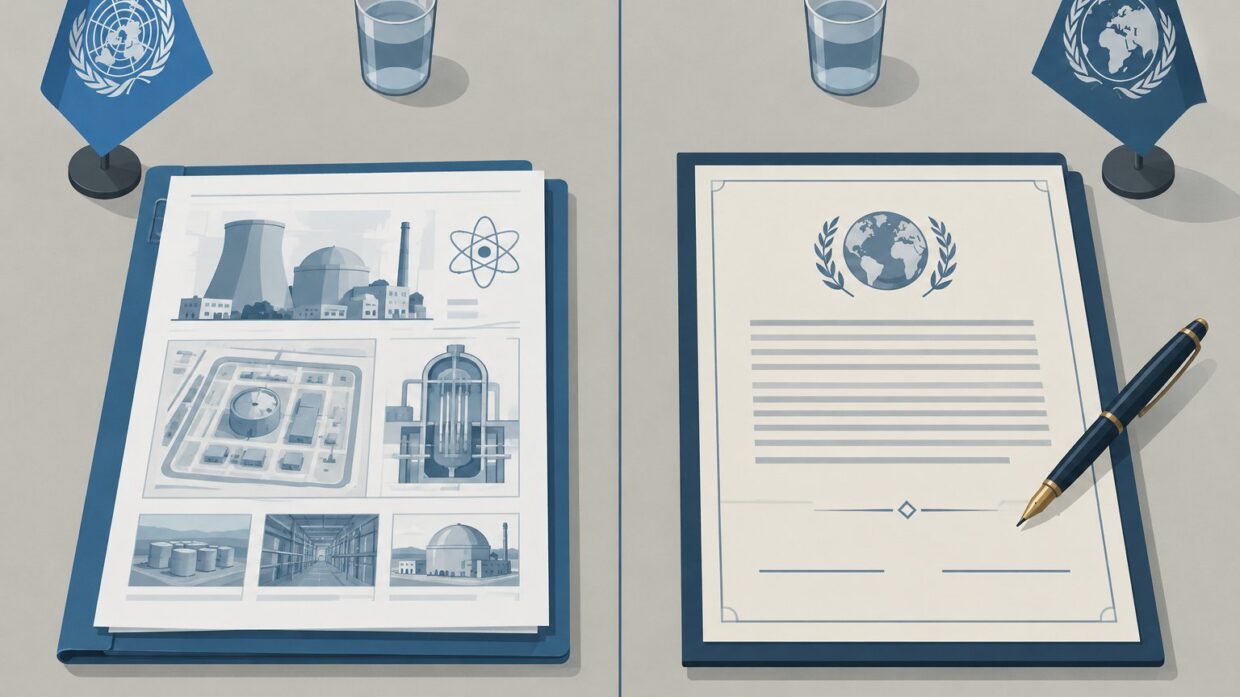
The left frame emphasizes the Qatari mediation and Vance's diplomatic effort, but largely omits what prompted the urgent need for these talks: Trump's stated consideration of military strikes on Iran's nuclear facilities. The Guardian mentions this in its headline but does not foreground the specific circumstances that triggered the mediation attempt. It also does not clarify why reopening the Strait of Hormuz, a critical global shipping route through which roughly 21 percent of traded oil passes, would be a meaningful incentive unless the threat to close it was real and recent.
The right frame highlights the $20 million intelligence reward as evidence of a hardline posture focused on understanding Iranian capabilities rather than accommodation. This framing leaves out the parallel diplomatic track that Vance is actively pursuing. It also does not address why an administration genuinely committed to military action would simultaneously engage in back-channel negotiations with an adversary it claims is untrustworthy.
What neither side fully captures is the internal contradiction these simultaneous approaches reveal. If Vance is genuinely negotiating a new nuclear deal, then offering bounties for intelligence on Iran's weapons program serves an investigative function before any agreement is finalized. If the administration intends military strikes, then the diplomatic track may be a cover operation or a pressure tactic meant to extract concessions before action. The public record does not establish which interpretation is accurate.
The history both framings omit is the structure of prior Iran nuclear agreements and why they collapsed. The Joint Comprehensive Plan of Action (JCPOA), signed in 2015, involved inspections by International Atomic Energy Agency officials. Trump withdrew the US from the JCPOA in 2018. Any new agreement would need to address what that original deal failed to prevent and what enforcement mechanism would survive a future administration's withdrawal. Qatar's mediation effort appears to assume the previous model can be revised and trusted. The simultaneous intelligence-gathering suggests skepticism of that assumption.
The underlying question is whether these tracks represent genuine strategic options or whether one is cover for the other. A reader following only Trump administration statements would see competing signals. A reader seeing all three approaches together sees an administration still deciding between military and diplomatic responses, or possibly pursuing both simultaneously as leverage.
Vance's simultaneous pursuit of nuclear talks, intelligence bounties, and Qatari mediation creates institutional consequences that will outlast any immediate negotiation cycle. If these tracks represent genuine options rather than cover operations, the administration has no coherent Iran policy and will struggle to maintain credibility with either Tehran or regional allies who need certainty about US intentions. If one track is a pressure tactic masking the other, the intelligence reward program will poison any genuine diplomatic overture by confirming Iranian suspicions that Washington seeks regime vulnerability rather than stable agreement. Either way, the State Department, Defense Department, and intelligence agencies now operate under contradictory directives, forcing mid-level officials to guess which instructions reflect actual policy rather than negotiating theater. This institutional confusion typically persists across administrations and creates decision-making paralysis when rapid responses become necessary.