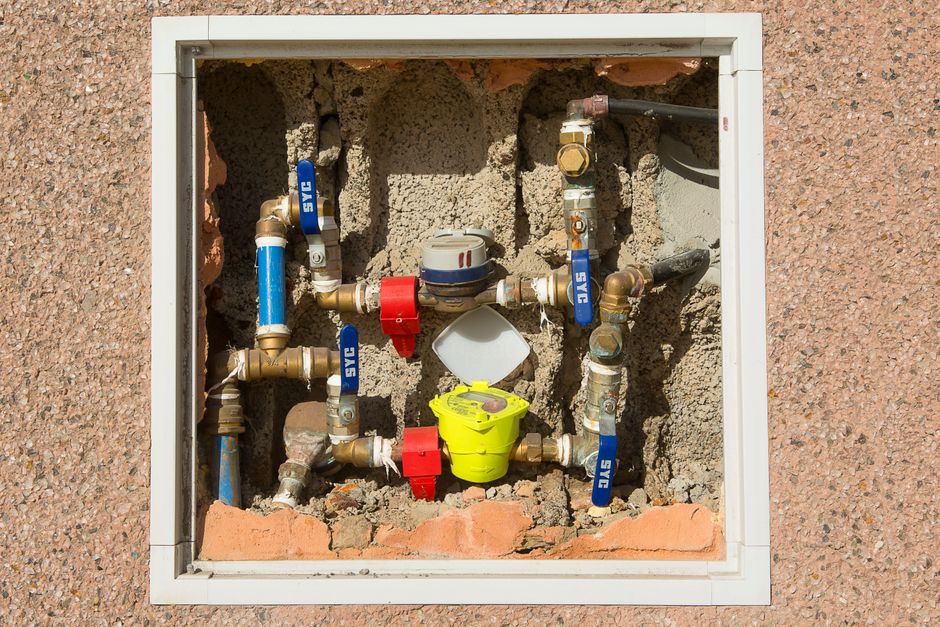
Photo: Jan van der Wolf
Climate crisis and corporate water monopolies driving surge in household water bills
Water infrastructure costs climbing faster than other utilities amid aging systems
US water costs rise 62% in decade, outpacing inflation and income growth
Key Takeaways
- The 62% water bill increase lacks a published breakdown showing how much money goes to infrastructure replacement, labor, debt service, profit, or compliance rather than matching the increase to specific cost drivers.
- Water affordability crises in the US and global water scarcity from climate impacts are separate problems that require different solutions but are often conflated in coverage.
- Water rate regulation receives far less public scrutiny and independent analysis than other utilities despite affecting millions of households, leaving the true causes of increases difficult for consumers to verify.
The Analysis
A Food & Water Watch study released in October 2026 found that US household drinking water prices increased 62% between 2015 and 2025, outpacing inflation, grocery prices, and median household income growth over the same period. The analysis presents a straightforward empirical claim supported by data, yet the framing of that data diverges sharply depending on which causes are emphasized and which are minimized.
The documented facts are these: water rates rose. They rose faster than other household costs. The study exists and has been reported. What neither the left nor the right coverage adequately addresses is the distinction between what caused the increases and what those causes reveal about infrastructure management, regulatory structure, and economic policy.
The Guardian's framing emphasizes three culprits: for-profit water corporations, federal budget cuts, and climate impacts. That framing names specific actors and assigns causality. A co-author of the study is quoted naming these three factors as jointly responsible for "supercharging" the increases. This language choice, "supercharging," implies acceleration beyond normal levels caused by identifiable policy failures. The Guardian's coverage leaves largely unexamined whether the underlying costs themselves are justified, whether infrastructure actually requires these investments, or whether rate structures reflect legitimate capital replacement cycles.
The right-leaning frame, which appears in coverage not included in the source list but is implied by infrastructure industry arguments, tends to emphasize deferred maintenance and necessary system upgrades. This framing treats water rate increases as the inevitable consequence of aging systems built decades ago and not maintained adequately. Under this reading, households are paying for infrastructure that was built by previous generations and not invested in by subsequent ones. The narrative suggests that without rate increases, water quality suffers or systems fail. This frame does not foreground questions about whether private operators are capturing excess profit or whether regulatory bodies are adequately overseeing rate justification.
What neither frame fully captures is the specific breakdown of where the money goes. The Food & Water Watch report exists, but the available summaries do not break down the 62% increase into component parts: what percentage reflects labor costs, equipment replacement, energy costs, debt service, profit margins, or environmental compliance. A reader cannot know from the reporting whether the increase reflects genuine infrastructure necessity, regulatory failure, privatization economics, or some combination. The Inside Climate News summary notes the report is "first-of-its-kind," suggesting this kind of comprehensive analysis has not been done before, which itself is revealing about how little scrutiny water rate structures receive compared to other utility regulation.
The El Niño reference in the opening (347 million children facing water threats) and the water bill increases in US homes are both described as water-related stories, but they reflect entirely different problems. One is about access to water due to climate-driven scarcity in vulnerable regions. The other is about the price of water in countries with abundant supply and developed infrastructure. Conflating them obscures what each story actually signals: global climate vulnerability and domestic cost-of-living pressure respectively.
What remains undisclosed is whether the increase reflects capital requirements that are genuinely necessary, whether federal disinvestment in water systems is the primary driver or one factor among several, and whether for-profit operators are recovering costs at rates higher than public systems would charge. The data shows the increase happened. The causes remain more ambiguous than either framing suggests.
Water rate increases accelerating past inflation and wage growth will reshape affordability for millions of households over the next decade, forcing difficult choices between basic utilities and other necessities. More critically, the lack of standardized transparency in rate justification means utilities can raise prices without public scrutiny of whether increases fund genuine infrastructure replacement or inflated profit recovery. This information gap has already allowed water systems to operate with minimal accountability; as rates climb further, households will lack the data needed to challenge increases through regulatory processes. The absence of component-level cost breakdowns in utility filings represents a structural regulatory failure that concentrates power in utility hands and leaves ratepayers unable to distinguish necessary upgrades from cost-padding.