Photo: Well This Is News
Shop smart: NBC editors curate the best October Prime Day deals across tech, vacuums, and more
Beware phantom discounts: Are Amazon Prime Day deals actually as good as they seem?
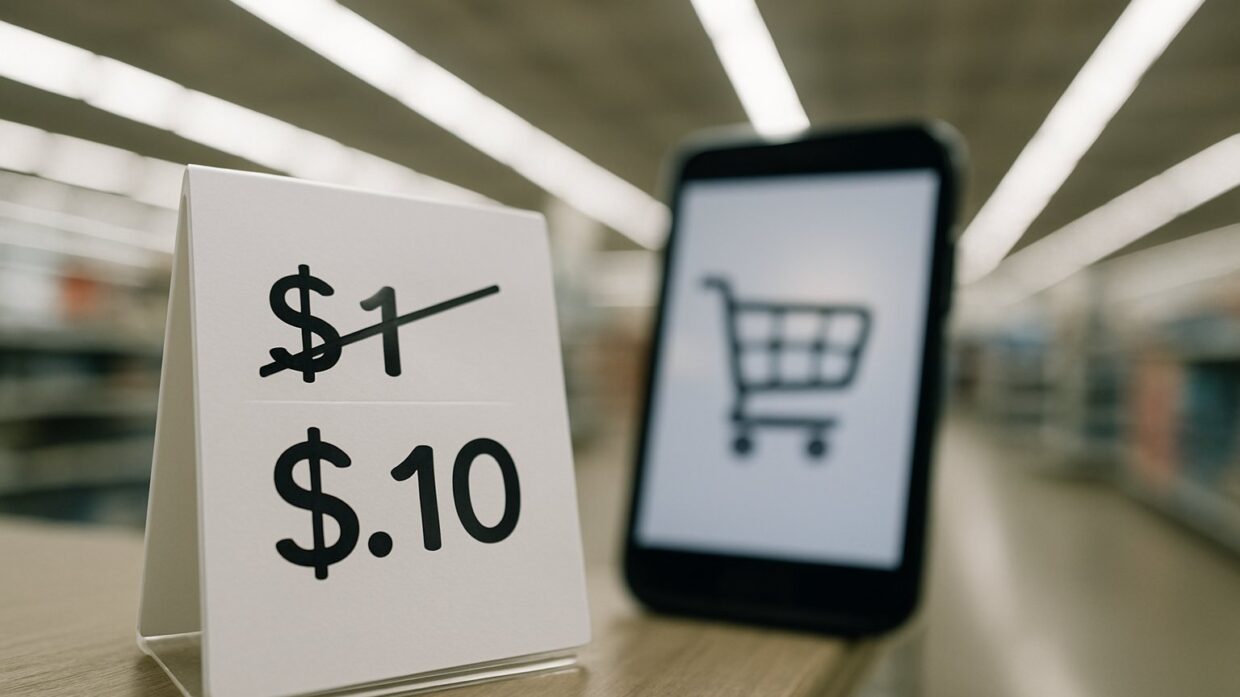
October Prime Day deals feature steep discounts, but some prices may not reflect genuine savings
Key Takeaways
- NBC News verified that specific products are reliable and worth buying, but did not verify whether Amazon's reference prices comply with FTC standards requiring that discount baselines reflect actual prior pricing.
- The Federal Trade Commission has legal authority to enforce accurate reference pricing on Amazon and third-party sellers, but neither NBC nor the Daily Wire cited FTC enforcement records or Amazon settlements showing whether this standard has been violated.
- Amazon's October Prime Day highlights a gap between product quality verification and price accuracy verification, two separate questions that require different reporting methods and evidence.
The Analysis
Amazon's October Prime Day event is presenting a familiar retail story with new numbers: NBC News reports discounts reaching 56% on vacuums and over 50% on tech products from Apple, Sony, and Bose, while the Daily Wire raises a structural question about whether those percentages reflect what consumers actually save. The tension is not between competing facts but between what the two framings choose to foreground and what both leave largely unexamined.
NBC's approach is straightforward editorial curation. The network deployed shopping reporters to verify deals, identify price lows, and recommend products across specific categories, vacuums, and tech. The language is transactional: editors have "hand-picked" deals, tracked them "live," and updated prices "throughout the event." The implicit claim is that editorial vetting creates reliability. What this framing does not address is the baseline question: how does NBC determine whether a 56% discount off a Dyson is actually a discount? The reporting does not establish what reference price the discount is measured against.
The Daily Wire's framing identifies that gap directly. The outlet uses the term "phantom discounts" to describe a specific retail practice: manufacturers and sellers inflate a product's suggested retail price, then discount off that inflated number, creating the appearance of savings without proportional price reduction. The Daily Wire does not claim all October Prime Day deals follow this pattern. It raises the structural vulnerability: a consumer who does not track historical pricing may see "50% off" and assume genuine savings without verifying the math. What the Daily Wire does not fully establish is prevalence, this is a pattern Amazon specifically employs, or how widespread phantom discounting is during October Prime Day specifically.
What neither framing addresses directly is the regulatory context. The Federal Trade Commission's "Guides Against Deceptive Advertising" require that reference prices reflect actual prices at which a product has been regularly offered. Amazon and third-party sellers are legally obligated to base discount claims on accurate prior pricing. NBC does not examine whether it verified compliance with that standard. The Daily Wire raises the risk but does not cite FTC enforcement actions or Amazon settlements that would establish whether Amazon has violated these rules in prior Prime Day events or is doing so now.
The real distinction is between verification of product quality and verification of price accuracy. NBC verified that Dysons and Bose speakers are reliable products worth buying. It did not verify that the discount from the reference price to the sale price reflects a genuine market shift. The Daily Wire points at that gap but frames it as consumer risk rather than as a question about whether Amazon's pricing practices meet legal standards.
A more complete picture requires distinguishing between two separate questions: Are these good products at these prices? (NBC addresses this.) Are these prices actually lower than the baselines Amazon claims? (Neither source fully addresses this.)
Amazon's ability to present discounts without independent verification of their legitimacy creates a structural advantage for the company that regulatory agencies have not effectively constrained. When news organizations validate product quality but treat reference prices as given rather than verifiable facts, they participate in a system that transfers pricing power entirely to Amazon's own historical data. The FTC's advertising guidelines explicitly require accurate reference pricing, yet no major October Prime Day reporting identifies whether Amazon has faced enforcement action for phantom discounting or documents systematic verification of claimed baselines. This gap means consumers encounter professionally vetted product recommendations paired with unvetted discount percentages, creating asymmetric information that benefits the retailer. Until news organizations make reference price verification as central as product testing, or regulators demonstrate enforcement consequences for inflated baselines, retailers have little incentive to price discounts against genuinely comparable historical offers rather than inflated anchors designed to maximize psychological impact.