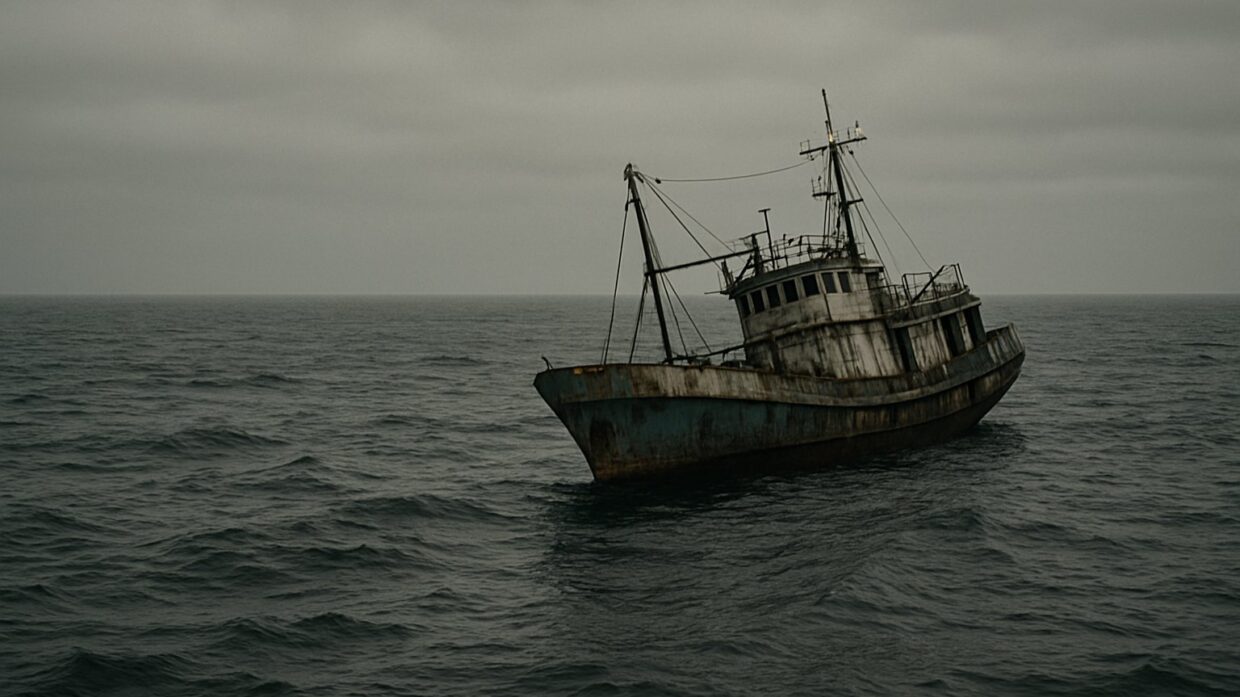
Photo: Well This Is News
Two killed in latest US military strike on suspected drug smuggling vessel
US military eliminates narco-terrorists in targeted Eastern Pacific operation
US military kills 2 in Eastern Pacific boat strike; classified details prevent independent verification
The Analysis
The U.S. military killed two people in the Eastern Pacific in an operation it claims targeted drug smugglers, but neither the Pentagon nor any independent source has provided evidence of what was actually on the boat, who the dead people were, or whether the vessel posed an imminent threat to U.S. forces or civilians.
Here are the stated facts: U.S. Southern Command (SOUTHCOM), under General Francis L. Donovan, announced the strike was conducted by Joint Task Force Southern Spear "at the direction" of its commander. MSNBC reported two deaths. Fox News reported five deaths across "more deadly strikes" (plural), though the precise number of operations and total fatalities remain unclear from available reporting. The Hill used the term "narco-terrorists"—SOUTHCOM's exact language—without noting that this designation comes only from the military itself.
MSNBC framed this as a strike on an "alleged drug boat," using the word "alleged" twice in its headline and story. This word choice is doing political work: it maintains technical accuracy while signaling skepticism about claims that cannot be independently verified. The network did not interview crew members, inspect the vessel, or report on the chain of command decisions that led to lethal force. What MSNBC left unsaid is whether such operations require Congressional notification, whether they comply with international law regarding force in international waters, or what happens when strikes kill people on boats that turn out not to be involved in trafficking—a pattern documented in previous operations.
Fox News used "narco-terrorists" without quotation marks, treating SOUTHCOM's designation as fact rather than claim. The network reported "five alleged narco-terrorists" were killed but did not clarify whether these deaths occurred in one strike or multiple operations, or provide any independent verification. Fox's language—"conducts more deadly strikes," "known narcotrafficking routes," "against vessels"—emphasizes SOUTHCOM's operational success and the military's knowledge advantage. What Fox did not report: the legal basis for unilateral strikes in international waters, any civilian casualties, or failed strikes that hit the wrong targets.
The Hill's reporting split the difference: it included SOUTHCOM's language while noting the military's framing with quotation marks around "narco-terrorists." But it also did not question the absence of evidence—no cargo manifests, no crew interviews, no third-party confirmation that these boats were actually engaged in trafficking or posed a threat.
What neither side reported: the U.S. has conducted similar operations for years under broad counter-narcotics authority, with minimal Congressional oversight and zero public accountability mechanisms. Joint Task Force Southern Spear operates with classified rules of engagement. Previous Pentagon operations in the region have killed civilians and destroyed boats that turned out to be fishing vessels. There is no known mechanism for families of the deceased to seek compensation or for independent investigators to examine what happened.
The real headline is this: The U.S. military killed two people in international waters based on classifications, designations, and evidence the American public cannot see, in operations that operate outside the normal mechanisms of military accountability, and neither major news outlet questioned whether the public has a right to know if the people who died were actually terrorists or just in the wrong place.