Photo: Well This Is News
Trump claims Iran deal averts depression as critics question scope of concessions
Trump administration secures Iran nuclear agreement after military pressure
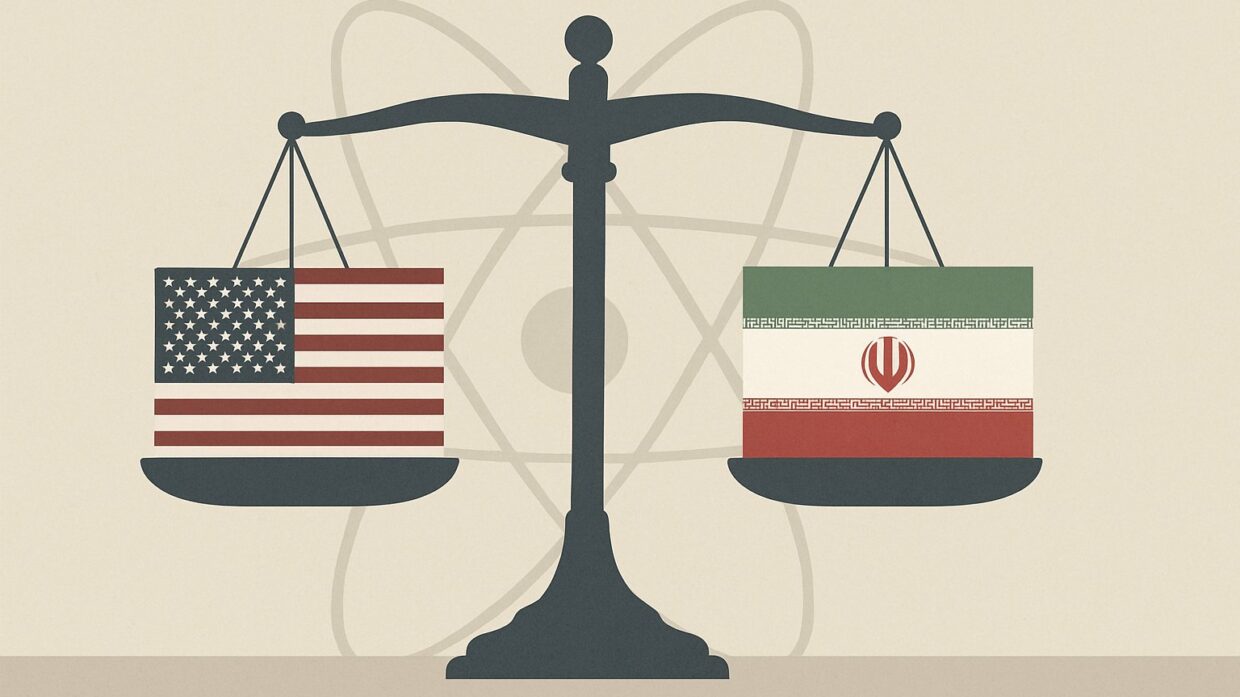
US and Iran sign 14-point memorandum; sanctions relief tied to nuclear concessions
Key Takeaways
- The agreement's complete text and specific verification mechanisms remain undisclosed to the public, leaving unresolved whether Iran's compliance triggers or suspends sanctions relief.
- Iran retains the capability to rapidly resume uranium enrichment once sanctions are lifted, and the deal does not address what happens if Iran violates the down-blending provisions or refuses further nuclear steps.
- The memorandum's relationship to the 2015 JCPOA,including how it handles sunset clauses that allowed Iran's program to expand after 2030,has not been disclosed in public reporting.
The Analysis
The United States and Iran have signed a 14-point memorandum of understanding that links sanctions relief to Iran's measurable nuclear de-escalation, according to statements from senior US officials and Iranian state media on June 17, 2026. What both the administration's framing and its critics are quiet about is what this agreement explicitly does not require: Iran's complete abandonment of nuclear enrichment capacity or its entire nuclear program.
The documented facts are these. The memorandum conditions sanctions relief on Iran's nuclear actions, beginning with down-blending enriched uranium to lower concentrations. Senior US officials, reading the text to journalists, described this down-blending as "a starting point," suggesting additional steps would follow. Trump stated the deal would avert a "worldwide depression," language that conflates economic consequences with security outcomes. The agreement spans 14 points covering nuclear verification, sanctions sequencing, and military de-escalation. Iran's state media confirmed the signing. No public reporting has disclosed the complete text or the specific verification mechanisms that would trigger or suspend sanctions relief.
The left's framing emphasizes Trump's hyperbolic economic claims and questions the proportionality of concessions. MSNBC reporting notes uncertainty about whether the US "will allow any nuclear program in Iran of any kind." HuffPost's Lawrence O'Donnell criticized Trump's characterization of his predecessor's policies, using language that frames the agreement as a reversal of stated objectives. This framing leaves out the sequence of events that produced the agreement: over two years of military pressure, including strikes on Iranian nuclear facilities, that preceded negotiations. The left's emphasis on "concessions" leaves unexamined what military alternatives might have cost and whether the agreement's verification mechanisms actually prevent Iran from resuming enrichment.
The right's framing, evident in White House statements, emphasizes that sanctions relief is conditional on demonstrated nuclear action, not upfront. This language suggests enforceability and reciprocity. The framing positions the agreement as the product of strength, not accommodation. What this framing underplays is that Iran retains the capability to resume enrichment rapidly once sanctions are lifted, and that verification of nuclear claims has historically proven difficult across multiple Middle East agreements. The right does not foreground how the agreement's terms compare to the nuclear restrictions Iran accepted under the 2015 JCPOA, which the Trump administration withdrew from in 2018.
What neither side fully captures is the prior agreement framework this deal replaces and what that shift means. The JCPOA, signed in 2015, included sunset clauses allowing Iran's nuclear program to gradually expand after 2030. The current memorandum's relationship to those terms remains undisclosed in public reporting. Additionally, neither framing addresses what happens if Iran violates the down-blending provisions or refuses further nuclear steps. The enforcement mechanism and timeline for sanctions relief are not detailed in available coverage. What remains unestablished is whether this represents a durable settlement or a temporary pause in nuclear escalation, and whether military personnel from either side will actually return home on the timeline suggested.
The actual headline is narrower and more honest: The US and Iran have agreed to condition sanctions relief on Iran's verifiable nuclear de-escalation, but the agreement's enforceability and Iran's long-term intentions remain contingent on verification mechanisms not yet fully disclosed to the public.
This agreement will reshape US military posture in the Middle East for years regardless of whether Iran complies. If the verification mechanisms hold, the US can redirect naval assets and air defense systems away from the Persian Gulf, reducing operational costs and freeing capacity for Indo-Pacific deployments. If verification fails and sanctions relief flows anyway, Iran gains both economic recovery and retained enrichment capability, fundamentally altering the regional balance of power. The undisclosed enforcement triggers make this outcome entirely dependent on implementation details kept from Congress and the public, meaning the durability of this framework rests on mechanisms that have historically failed across multiple Middle East agreements.