Photo: Well This Is News
Ukraine Strikes Russian Oil Terminal in Largest Drone Offensive of War
Kyiv Escalates Attacks with 1,000 Drones on Russia as Trump Weighs Response
Ukraine Launches 1,000+ Drone Attack on St. Petersburg Oil Infrastructure
Key Takeaways
- Ukraine has conducted drone strikes on Russian energy infrastructure for months as deliberate strategy, making this 1,000-drone attack part of an established pattern rather than a sudden escalation.
- Zelenskyy simultaneously renewed appeals for Washington to pressure Moscow while ordering one of the war's largest bombing campaigns, creating ambiguity about whether Ukraine is pursuing military victory, negotiated settlement, or negotiating leverage.
- The strike occurred as Trump signaled interest in ending the war, but reporting does not clarify whether Ukraine views military pressure as a necessary precondition for talks or as defiance of expected diplomatic compromise.
The Analysis
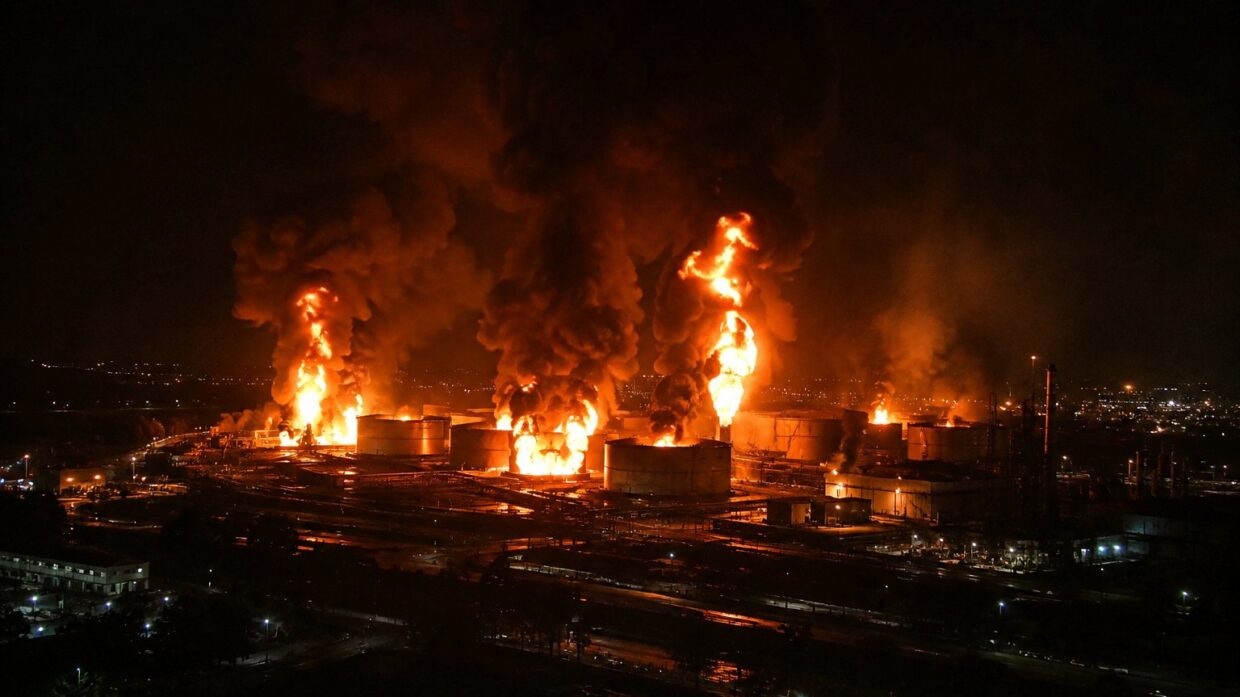
Ukraine launched more than 1,000 drones at Russian targets in St. Petersburg overnight Sunday, setting an oil export terminal ablaze and causing power outages across the city, according to Russian state media and confirmed by multiple news sources. The scale of the attack appears to represent one of Kyiv's largest single aerial bombardments since Russia's 2022 invasion, yet the framing of this event splits sharply along political lines, with each side emphasizing different consequences and omitting crucial context about the war's current phase.
What actually happened on the ground is relatively clear: Ukrainian drone strikes hit an oil terminal and a data center in St. Petersburg, Russia's second-largest city. Russian state media characterized it as "one of the biggest drone attacks of the year," which suggests Ukrainian capabilities have expanded significantly since the war's early phases. Power outages affected thousands of residents. The strikes targeted energy infrastructure, consistent with Ukraine's documented strategy of degrading Russian fuel supplies and logistics networks. No specific casualty figures have been reported in the available coverage.
The left-leaning frame, represented by The Hill's coverage, emphasizes Ukraine's "massive" and "significant" strike as a demonstration of expanding military capability and a justified response to Russian aggression. This framing uses language like "retaliatory" (though not explicitly stated in the sources provided) and focuses on the operational success: infrastructure damaged, fires set, supply chains disrupted. The Hill describes it as "one of the largest aerial strikes Kyiv has initiated since the start of the Russia-Ukraine war." What this framing leaves out is any discussion of whether such strikes advance a negotiated resolution or instead signal Ukrainian resistance to pressure from Washington for diplomatic talks.
The right-leaning frame, represented by the Washington Examiner, leads with the attack's scale but immediately contextualizes it within "deepening tensions between Ukraine and Washington" and notes that "President Donald Trump criticizing Kyiv." The Examiner's language choice, "as Trump weighs response", suggests the attack's timing matters as a political signal. This framing implies the strike may represent Kyiv asserting independence from US strategic direction rather than purely a military necessity. What this framing leaves out is any substantive analysis of whether the drone strike serves Ukraine's stated defensive objectives or reflects broader strategic calculation about leverage in future negotiations.
What neither side fully captures is the documented history of Ukrainian drone strikes on Russian energy infrastructure and how this attack fits into an established pattern. Ukraine has been conducting similar strikes for months, degrading Russian oil refining and export capacity as part of a deliberate strategy to constrain Moscow's war economy. The real question the framing avoids is not whether Ukraine has the capability to strike deep into Russia, that is now documented, but whether such strikes are compatible with the diplomatic opening Zelenskyy has publicly signaled readiness to pursue. Bloomberg reports that Zelenskyy "renewed an appeal for Washington to put pressure on Moscow" while simultaneously ordering a 1,000-drone bombardment, a sequence that raises unresolved questions about whether Ukraine is pursuing military victory, negotiated settlement, or leverage maximization ahead of talks.
The timing matters. Trump's return to office and stated interest in ending the war creates new pressure on Kyiv. Ukraine's choice to launch one of its largest drone campaigns in this moment either signals defiance of expected diplomatic compromise or demonstrates that Kyiv sees military pressure as necessary precondition for negotiation. The available reporting does not establish which interpretation is correct.
Ukraine's 1,000-drone strike on Russian oil infrastructure signals a fundamental shift in how Kyiv is calibrating military pressure against diplomatic possibility. The scale of the attack, launched as Trump signals willingness to negotiate, forces a strategic reckoning: Ukraine is either demonstrating it will not be pressured into unfavorable talks, or it is attempting to improve its negotiating position through maximal military demonstration before diplomatic windows close. Neither interpretation suggests Ukrainian leadership sees military exhaustion as imminent. The strike's success in degrading Russian fuel exports directly constrains Moscow's logistics capacity for sustained operations, which means Ukraine's drone warfare strategy is now mature enough to inflict genuine economic damage on Russia's war machine. This transforms the negotiation calculus entirely. A settlement reached after sustained Ukrainian strikes on Russian energy infrastructure differs fundamentally from one reached under pressure. The precedent Kyiv sets now regarding drone strikes on Russian civilian infrastructure will constrain or enable future Ukrainian military options