Photo: Алесь Усцінаў
Russia strikes Ukrainian capital as fuel crisis deepens from western strikes on refineries
Ukraine reports Russian attack on Kyiv amid ongoing conflict
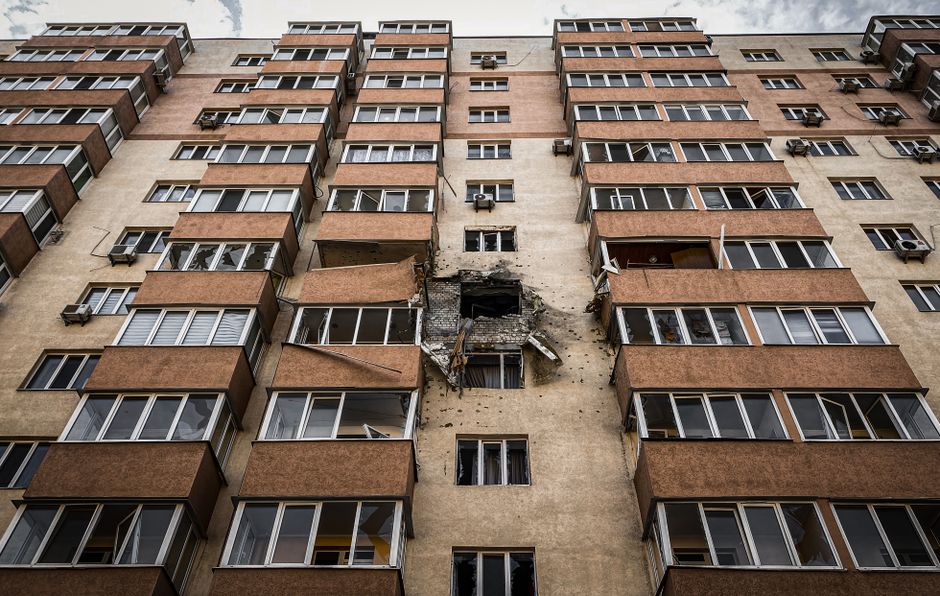
Russia launches major drone and missile attack on Kyiv; at least 18 killed
Key Takeaways
- Whether Russian fuel shortages from Ukrainian refinery strikes actually constrained Russia's ability to launch this attack or whether Moscow conducted it despite those shortages has not been established by available reporting.
- The reporting does not distinguish between Russia's stated military targets and verified impact, leaving unclear whether civilian casualties resulted from targeting decisions, air defense interceptions spreading debris, or a combination of factors.
- Ukraine's sustained campaign against Russian energy infrastructure appears to create fuel constraints that Russian analysts acknowledge, but whether this generates asymmetric military advantage or merely provokes escalation that negates the gains remains unverified.
The Analysis
Russia conducted what Ukrainian officials describe as a massive drone and missile attack on Kyiv, resulting in at least 18 deaths according to the available reporting. The Guardian's coverage explicitly connects the timing of this strike to Ukraine's successful targeting of Russian oil refineries, establishing a direct link between Ukrainian operational capability and Russian retaliation. What the coverage does not establish is whether Russian fuel shortages actually constrained Moscow's ability to launch this attack or whether the attack represents a counter-escalation despite those shortages.
The left-leaning framing emphasizes two elements: the scale of the attack and Russia's fuel vulnerability. The Guardian's headline and summary structure the story around the consequence of Ukraine's strikes on Russian infrastructure, presenting Russian retaliation as a response to Ukrainian success. The language used is "massive" and the reporting highlights civilian casualties at the outset, establishing a narrative of Russian desperation meeting Ukrainian effective defense. This framing leaves out the operational context of how Russian air defense performed, what Ukrainian losses may have been, or whether the attack achieved specific military objectives beyond civilian area strikes.
The right-leaning coverage from NPR takes a more neutral descriptive approach, noting that Russia "conducted a significant military operation" without embedding the causal narrative that connects Ukrainian strikes on refineries to Russian retaliation. The NPR framing uses terms like "significant" rather than "massive," and does not emphasize the fuel shortage connection or its implications. This approach leaves out the strategic dimension that the Guardian foregrounds, presenting the event as a discrete military action rather than part of a tactical exchange sequence.
What neither framing fully addresses is the distinction between Russia's stated targeting and verified impact. The reporting does not establish whether this strike was strategically targeted at military infrastructure, whether the civilian casualties resulted from air defense interception spreading debris into populated areas, or whether Russian targeting deliberately prioritized civilian concentration. The available evidence describes impact, not intention. Neither side's framing acknowledges this gap.
The timing context matters more than either account suggests. Ukraine has conducted sustained operations against Russian energy infrastructure for months, creating observable fuel constraints that Russian military analysts have publicly acknowledged. Whether this particular attack represents an unusual escalatory choice or a routine response to ongoing Ukrainian strikes is not established by the reporting. The narrative of fuel desperation driving Russian action is plausible but not verified. The Guardian's framing assumes causal connection; NPR's framing avoids it entirely.
What the public record does not yet disclose is whether this attack signals a shift in Russian targeting strategy, whether damage to Russian refineries has materially degraded operational capability, or how Ukrainian military planners assess the trade-offs between striking Russian energy infrastructure and Russian retaliation against civilian areas. The underlying question is whether Ukraine's refinery campaign creates asymmetric advantage or provokes escalation that negates the gains.
Russia's ability to sustain coordinated strikes despite months of Ukrainian attacks on its oil refinery network reshapes the calculation for Kyiv's entire energy infrastructure campaign. If Moscow can launch massive missile and drone barrages while operating under fuel constraints, Ukrainian planners must reconsider whether targeting Russian refineries produces sufficient operational degradation to justify the pattern of retaliatory strikes against Kyiv's civilian infrastructure. The strategic logic of Ukraine's refinery strikes assumed Russian fuel shortages would force meaningful operational reductions; this attack suggests either those shortages proved less constraining than Ukrainian intelligence assessed or Russia accepted accepting civilian casualties as the cost of maintaining strike capability. Either conclusion fundamentally alters how Ukraine weighs future targeting decisions against the predictable consequence of Russian retaliation in populated areas.