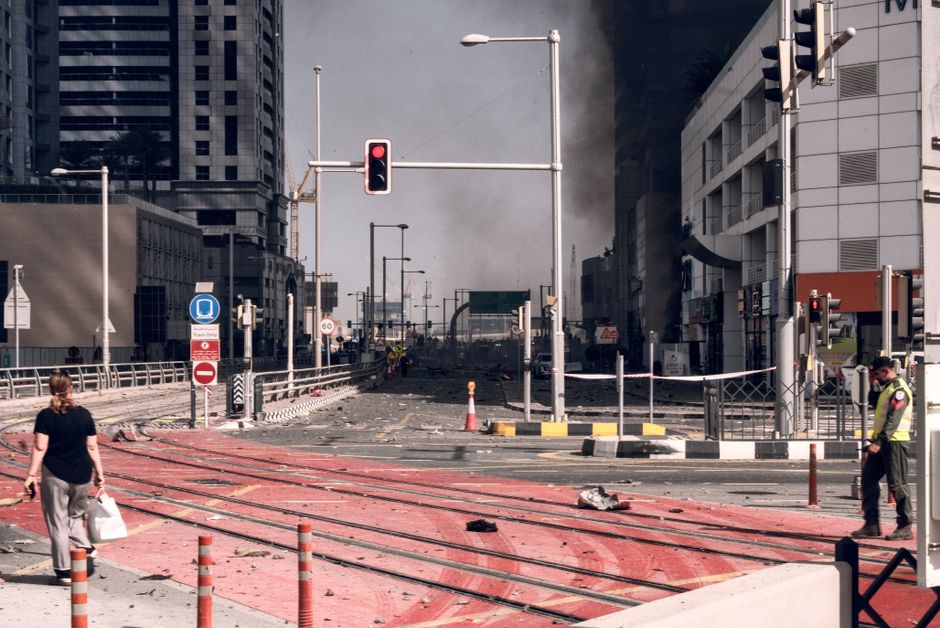
Photo: Mauricio Krupka Buendia
Police deploy water cannons as Belfast erupts over stabbing incident
Attempted beheading by asylum seeker ignites anti-migration riots across Northern Ireland
Violence escalates in Belfast after stabbing; police use water cannons on protesters
Key Takeaways
- Neither left nor right coverage establishes whether the protests reflect a documented pattern of prior incidents involving asylum seekers in Belfast or whether they stem from existing sectarian and community tensions that predate this stabbing.
- The reporting does not explain what triggered the second night of violence or whether initial police tactics de-escalated or intensified the unrest, leaving a critical gap in understanding how the situation evolved.
- The available evidence does not yet establish whether this story is primarily about a specific crime and proportional community response or about broader migration patterns, because verified details about the stabbing, the suspect, and the sequence of events remain incompletely reported.
The Analysis
A stabbing incident in Belfast has triggered two nights of escalating street violence, with police deploying water cannons against demonstrators and vehicles set on fire. The framing of this event has split sharply along predictable lines, but what both sides are leaving out may matter more than what either is emphasizing.
The available reporting confirms basic facts: a stabbing occurred in Belfast. Breitbart reports the alleged perpetrator is a Sudanese asylum seeker; NPR does not name the suspect's background in its summary. Police responded to protesters with water cannons. A UK minister, according to the Investing.com report, called the violence racist thuggery. The second night of unrest involved small fires, thrown bricks, and bottles. These facts appear in all accounts.
The left frame, represented by NPR, emphasizes the police response and the reactive nature of the protest. The headline leads with police action, not the original stabbing. The summary mentions the incident only in passing, describing it as having sparked anti-immigrant violence. This framing positions the police deployment as the more newsworthy element and implicitly suggests the protesters' violence is the primary problem requiring attention. NPR's emphasis shifts focus away from the stabbing itself and toward the state response to the aftermath.
The right frame, represented by Breitbart and the Daily Wire, leads with the severity and alleged identity of the suspect. The Daily Wire uses the phrase beheading attempt, while Breitbart specifies Sudanese asylum seeker in the opening paragraph. This framing treats the original crime as the causal event and the riots as the consequence. By prominently featuring the suspect's immigration status, the right frame connects a specific crime to a broader argument about migration policy. The Daily Wire explicitly states this violence has sparked debate over mass migration and public safety that resonates in the United States, making it part of an international conversation about immigration restrictionism.
What neither side fully addresses is the specific history of sectarian and community tensions in Belfast that may have shaped how residents responded to this incident. The reporting does not establish whether this violence reflects existing community fractures, broader economic grievances, or a pattern of prior incidents involving asylum seekers in the area. A UK minister characterized the violence as racist thuggery, according to Investing.com, which suggests state officials view the protests as driven by prejudice rather than legitimate safety concerns. But the available coverage does not provide reporting on what protesters themselves claim they are responding to or whether their concerns about the stabbing reflect documented patterns of crime or media-amplified perceptions.
The sequence also raises questions about escalation. The reporting establishes that violence occurred on two nights, but does not clarify what sparked the second night or whether the initial response by authorities intensified tensions. Without that detail, readers cannot assess whether police tactics de-escalated or accelerated the unrest.
The underlying question is whether this story is primarily about a specific crime and a proportional community response, or about broader patterns in migration and public order. The evidence presented does not yet establish which interpretation fits the actual facts on the ground. What the public record requires but does not yet contain is the documented history of incidents in this area, the verified facts about the stabbing and the suspect, and an accounting of how the protests unfolded over the two nights.
Belfast's stabbing-triggered riots will reshape how UK officials approach both asylum processing and public order responses in historically divided communities. The immediate consequence is measurable: police water cannon deployment signals authorities treating street protests as threats requiring military-grade response, a precedent that will influence how similar incidents are managed across the country. More structurally, the incident creates political pressure for tighter asylum vetting procedures while simultaneously strengthening arguments for restraint by law enforcement in communities still recovering from decades of sectarian violence. The competing narratives around immigration versus police tactics will likely drive policy changes in whichever direction politicians weaponize this story first, potentially affecting housing placements, community integration programs, and rules of engagement for future demonstrations. The gap in reporting about Belfast's specific vulnerabilities to these tensions means institutional responses will proceed without understanding local conditions that actually triggered escalation.