Photo: Well This Is News
Trump offers Iran talks as last chance to avoid war, but Tehran rejects negotiations
Trump pushes for Iran deal breakthrough as shipping threats mount in Gulf
Trump signals willingness to negotiate with Iran as tensions escalate over Strait of Hormuz
Key Takeaways
- Trump stated he expects negotiations to begin within days, but Iran issued a categorical denial of any talks with Washington, meaning no agreement to negotiate actually exists.
- Neither side acknowledges that Iran may have rational reasons to avoid appearing to negotiate under explicit military threats after the US abandoned the JCPOA in 2018.
- The course changes by six Saudi supertankers are reported as fact but their actual cause and connection to Iranian government action remain unconfirmed in available reporting.
The Analysis
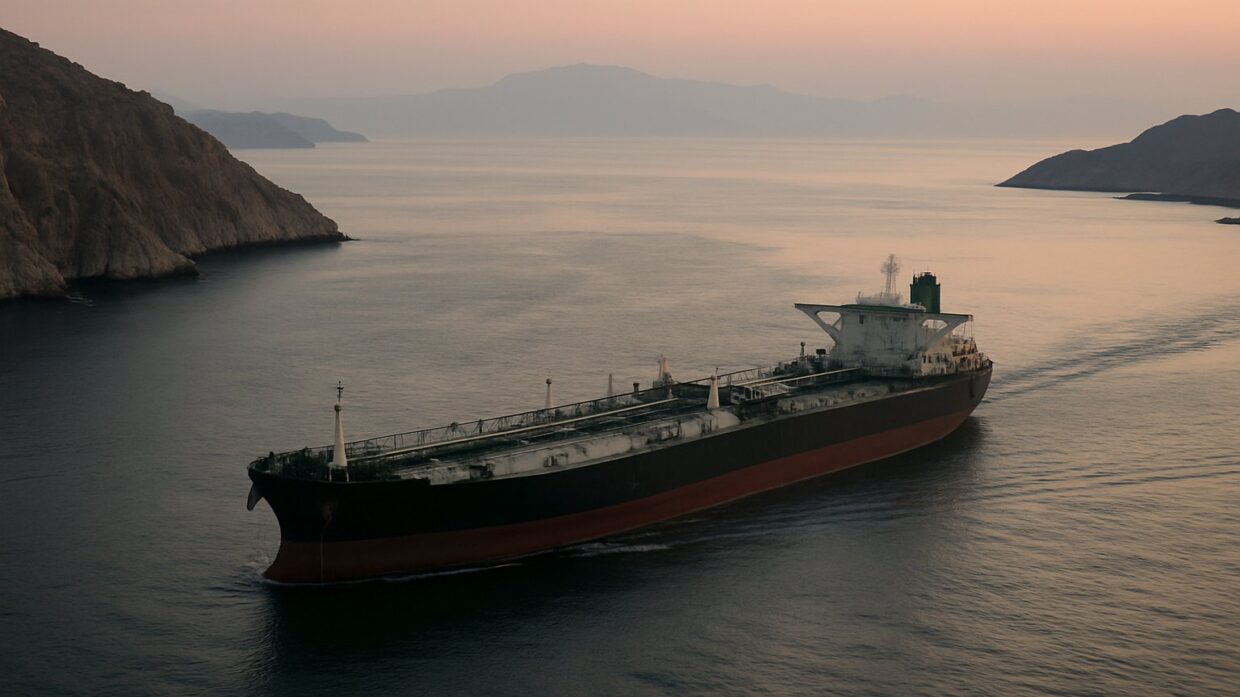
Trump announced Monday that the United States expects to begin fresh negotiations with Iran within days, characterizing these talks as Iran's 'last chance' to avoid escalated American military strikes. Simultaneously, Iran's government issued a statement denying it is reviving direct talks with Washington, though it confirmed it is conducting separate discussions with Oman regarding regional shipping concerns. Six Saudi-flagged supertankers have altered course in the Gulf of Aden in recent days, a detail that appears in reporting but whose specific connection to Iranian action remains unconfirmed in the public record.
The factual sequence reveals an asymmetry in how each side is framing the situation. Trump's language treats negotiation as imminent and conditional, with his 'last chance' formulation embedding a threat: comply with talks or face escalation. Iran's response does not confirm engagement with Washington at all. The reporting notes that Trump 'expects' negotiations to begin, which is a statement about his expectation, not a confirmation that Iran has agreed to participate. Iran's statement is categorical: it is not reviving talks with the United States. The distinction between Trump's expectation and Iran's actual posture is consequential and appears across multiple news reports.
Left-leaning coverage emphasizes Trump's threat language and Iran's rejection, framing the situation as a breakdown in diplomacy driven by Trump's inflammatory rhetoric. This framing foregrounds the phrase 'last chance' as evidence of coercive language rather than genuine negotiation. The narrative suggests Trump is using military threat to extract concessions rather than pursuing good-faith diplomacy. What this framing leaves out is the prior context of US withdrawal from the Joint Comprehensive Plan of Action (JCPOA) in 2018 and the subsequent maximum pressure campaign of sanctions. The current Iranian refusal to engage cannot be understood without that history.
Right-leaning commentary frames Trump's offer as a reasonable diplomatic overture that Iran is refusing, suggesting Tehran's rejection reveals hostile intent. This framing treats Iran's denial of talks as evidence of unwillingness to resolve disputes peacefully. The emphasis shifts to Iran's alleged threats to shipping and the need for American resolve. What this framing does not foreground is whether the Iranian government might have incentive to avoid appearing to negotiate under threat, or whether the supertanker course changes are confirmed as Iranian action or merely coincident timing.
What neither side fully captures is the underlying structural question: whether Iran believes there is any negotiating position available to it after the 2018 US withdrawal from the JCPOA. The public record does not establish whether Iran's current refusal reflects strategic calculation that negotiations cannot succeed, or whether it reflects a different assessment of Trump's credibility as a negotiating partner. The prior agreement existed, was codified in law, and the United States departed from it unilaterally. That history is absent from both framings.
The available reporting also does not confirm the specific cause of the supertanker course changes or establish a direct link between those changes and Iranian government action, though both framings imply that connection. Trump's claim that the Strait of Hormuz could open 'by tomorrow' is presented as optimistic framing, but the basis for that timeline is not established in the reporting.
A breakdown in negotiations that hasn't begun serves Washington and Tehran equally poorly. Trump's conditional offer paired with Iran's categorical rejection creates a structural trap where neither side can move without appearing to capitulate to the other's framing. If negotiations do commence, Iran faces domestic pressure for accepting talks under threat; if they don't, Trump's military posture gains rhetorical justification. The critical missing piece is whether either government actually believes the other negotiates in good faith after the 2018 JCPOA withdrawal. Without addressing that baseline credibility gap, the current cycle of escalating rhetoric and military positioning will likely persist regardless of public statements. The Strait of Hormuz remains a chokepoint for global oil markets, and sustained uncertainty about its security will reshape energy pricing and supply chains for months ahead, affecting inflation calculations and geopolitical leverage far beyond this immediate standoff.