Photo: Well This Is News
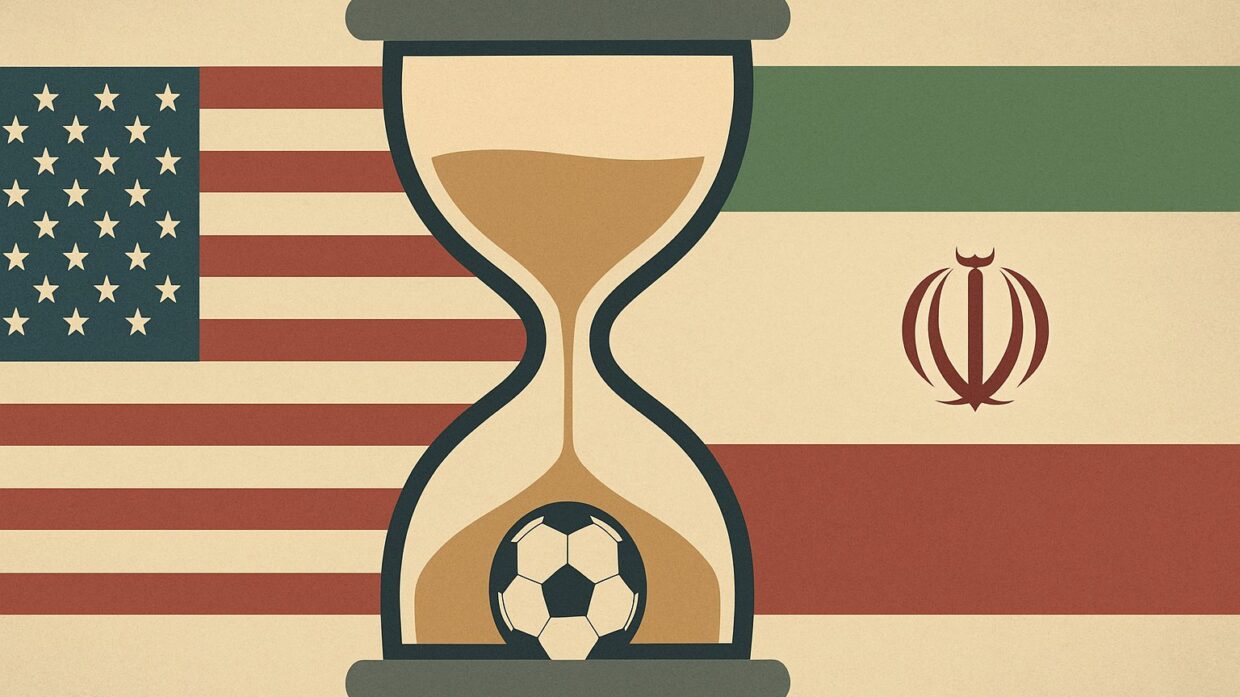
DHS grants Iran early arrival for World Cup game, easing diplomatic tensions
Biden administration accommodates Iran soccer team while climate chaos disrupts matches
US relaxes Iran World Cup team travel restrictions ahead of Egypt match
Key Takeaways
- The DHS decision granted Iran a 48-hour early arrival window to address compressed preparation time, but no public reporting confirms whether this window is exceptional for Iran or standard practice applied to other teams facing similar complaints.
- Left sources frame this as a diplomatic gesture while right sources ignore the Iran travel story entirely and criticize a different authoritarian state instead, meaning neither side has actually examined what triggered the decision or whether it represents a precedent.
- The baseline facts needed to assess whether DHS made an extraordinary accommodation or routine adjustment remain absent from coverage, including whether all 32 teams received equal entry windows and what Iran's formal status is under existing US travel protocols.
The Analysis
The Department of Homeland Security's decision to permit Iran's World Cup team to arrive 48 hours before their match against Egypt represents a specific accommodation within standard World Cup protocols, not a sweeping reversal of Iran sanctions policy. The framing of this decision differs sharply across outlets depending on how they contextualize the prior restrictions.
The verified facts are straightforward. DHS announced the early arrival window after Team Melli, Iran's national squad, formally complained about travel timelines that would have compressed their preparation schedule. The Guardian and NPR reported the decision as granted on Tuesday for a Friday match, meaning Iran receives a two-day buffer that apparently deviates from the standard 24-hour entry window applied to other participating nations. No reporting establishes whether this 48-hour window was negotiated bilaterally or unilaterally offered by US officials. The NPR framing uses the phrase "easing restrictions," while The Guardian describes it as DHS granting "extra time to prepare." Both framings are accurate but emphasize different aspects: one stresses the lifting of a constraint, the other stresses preparation equity.
Left-leaning coverage treats this as a diplomatic gesture signaling pragmatism. NPR's headline emphasizes that "the U.S. is easing its restrictions," placing the agency of the decision with the American government. The implicit narrative is that political tensions between the US and Iran can be bracketed during international competition, and that allowing fair preparation time reflects values both countries share regarding sport. This framing omits critical context: what the standard entry protocol was for all teams, whether other nations also requested extended windows, and whether Iran faces any other travel restrictions that remain in place. The omission is politically convenient because it foregrounds diplomatic reasonableness while leaving unstated the broader sanctions architecture that continues to constrain Iran's access to US markets, technology, and financial systems.
Right-leaning sources do not directly report the Iran travel decision. Instead, Breitbart's coverage emphasizes China's World Cup participation without a competitive team, using that absence as a vehicle for criticism of state propaganda and factory-based economic models. The implied narrative is that authoritarian regimes either cannot produce world-class athletic talent or cynically manufacture participation theater. This framing avoids engaging with the Iran travel story at all, instead pivoting to a different authoritarian state. That rhetorical move itself is notable: it leaves the Iran accommodation unexamined and shifts the frame to a different geopolitical adversary.
What neither framing adequately addresses is the factual baseline against which this decision should be measured. The reporting does not establish: whether the standard window applied equally to all 32 participating teams, what Iran's formal status is under existing US travel protocols for nationals, whether the 48-hour window is exceptional or routine for teams in comparable situations, or what diplomatic negotiations preceded the announcement. Without those specifics, readers cannot assess whether DHS made an accommodation specific to Iran or applied a standard procedure. A more complete picture requires knowing whether this represents a precedent or ordinary practice.
The real headline is narrower and more conditional than either framing suggests: the US Department of Homeland Security permitted Iran's World Cup squad an early arrival window to address documented preparation concerns, but the public record does not yet establish whether this reflects a broader shift in travel policy or a one-time accommodation for a specific sporting event.
FIFA World Cup protocols require teams to arrive within fixed windows before matches, but the US has historically applied additional screening to Iranian nationals that compresses preparation time below what other teams receive. DHS granting Iran a 48-hour pre-match arrival window establishes a procedural precedent that could reshape how US agencies handle subsequent international sports events involving sanctioned nations. If Iran's team uses this framework to argue for similar accommodations at future tournaments, or if other nations cite Iran's treatment to request equivalent flexibility, this decision becomes a template for carving exceptions into the sanctions apparatus. The concrete risk is not that this single accommodation dismantles Iran policy, but that it creates bureaucratic justification for future claims that sporting events warrant exemptions from standard security protocols, weakening the institutional consistency that has historically made US travel restrictions predictable and enforceable.