Photo: Well This Is News
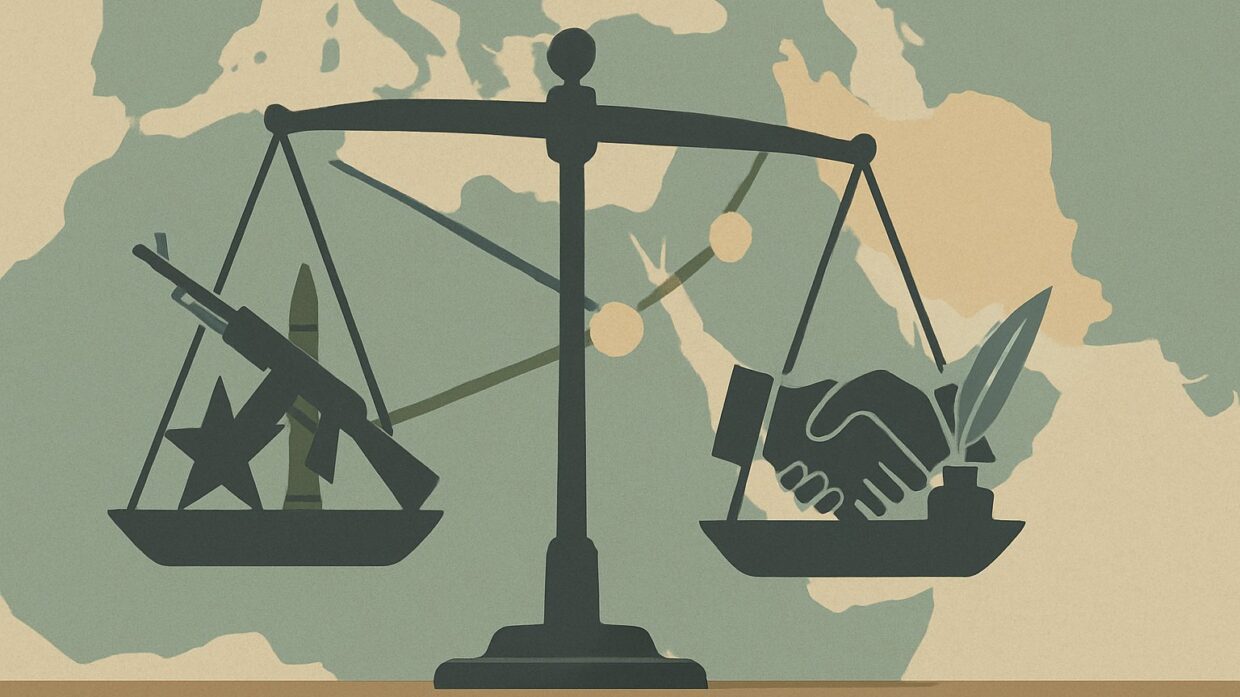
China emerges as ceasefire broker while markets worry durability of fragile Middle East deal
Trump warns Iran compliance required as ceasefire unravels with Israeli operations continuing
Iran-Lebanon ceasefire holds as Israel maintains strikes; China claims diplomatic win
The Analysis
A ceasefire between Iran and Israel announced this week is already showing the fractures that suggest it may not survive contact with reality—and both sides are loudly claiming victory while quietly preparing for the agreement to fail. What everyone is avoiding is the uncomfortable fact that Lebanon was apparently never actually part of these negotiations, a detail that reveals how thoroughly the region has been carved up without consulting some of its major actors.
Here are the specific facts: Trump stated on April 9 that the US would "start shooting again" unless Iran "fully complies" with what he called a "real agreement." Simultaneously, Israeli forces continued bombing operations in Lebanon. UK Foreign Secretary Yvette Cooper issued a statement saying "Lebanon must be included in US-Iran ceasefire deal," which is a striking way to phrase something if Lebanon was already supposedly included. Vice President Vance stated plainly that "Lebanon is not part of deal." Oil prices spiked as traders immediately priced in the likelihood of failure—diesel in Australia hit a record high, a 20-cent surge in two days, and global stock markets slipped back after initial rallies.
The left's framing emphasizes China's diplomatic "victory" in brokering the ceasefire. The Guardian ran the headline "Who can claim victory if Iran ceasefire holds? An early winner is China," crediting Beijing with winning Iran over. But read carefully: one analyst quoted in that same piece said China was merely "pushing an open door," meaning Iran wanted this deal and China simply showed up to take credit. The left frames this as a win for diplomatic engagement and multilateralism while deliberately not explaining why markets immediately doubted the deal would hold—because Israeli operations never actually stopped.
The right's framing emphasizes Trump's conditionality and toughness. Trump's warning that "US will start shooting again" is presented as necessary enforcement language, with the underlying implication that only American military readiness guarantees Iranian compliance. This narrative avoids asking why, if Trump negotiated such a strong agreement, Israel immediately violated its central premise by continuing Lebanon strikes. It also avoids the question of whether threatening renewed war while the ceasefire is still hours old suggests the agreement was negotiated without either side genuinely committed to it.
Neither side mentions the history that makes this moment legible: the 2015 Joint Comprehensive Plan of Action (JCPOA) signed by Obama, which Trump withdrew from in 2018, which Iran has been operating without ever since. They don't mention that Iran's latest escalations—including the April 2024 drone strikes on Israel that preceded this ceasefire—were partly a response to that withdrawn agreement and the sanctions that followed. They don't mention that Lebanon's Hezbollah has been fighting this war partly as an Iranian proxy precisely because no formal security structure for Lebanon exists that could actually negotiate on its behalf. Lebanon's government is too fractured; Hezbollah is the only force that can speak militarily.
The real headline: A ceasefire negotiated without involving one of its major theaters, endorsed by a superpower prepared to withdraw from it if terms aren't met perfectly, while the ostensible winner hasn't actually stopped fighting, is not a ceasefire—it's a pause whose duration depends entirely on how long it takes for the next provocation. China didn't win a diplomatic victory. It just showed up to photograph the moment before the agreement collapsed.