Photo: Well This Is News
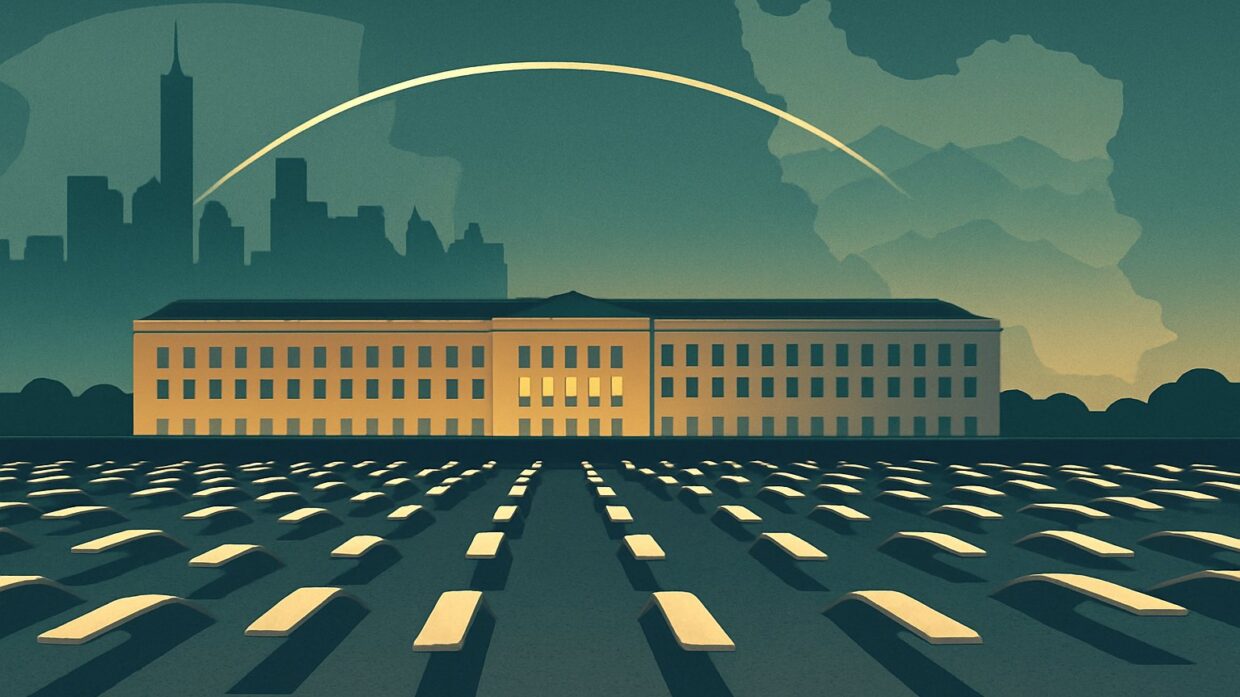
Trump weaponizes 9/11 memorial to justify unpopular Iran war
Trump and Hegseth honor 9/11 victims while addressing Iran threat
Trump and Hegseth link Iran war to 9/11 in Pentagon memorial remarks
Key Takeaways
- Neither major news outlet quoted the specific language Trump and Hegseth used about Iran, making it impossible to determine whether they claimed Iran orchestrated 9/11, harbored al-Qaeda affiliates, or made a narrower strategic argument.
- Iran's documented relationship to terrorist organizations and regional military activity are separate from the 9/11 attacks, but whether the administration claimed a direct connection or a strategic one cannot be assessed without their exact remarks.
- The legitimacy of invoking 9/11 at a memorial to articulate foreign policy depends entirely on what factual claims were made, and the current reporting leaves that core question unanswered.
The Analysis
On September 11, 2026, President Trump and Defense Secretary Pete Hegseth used remarks at the Pentagon's 9/11 memorial to draw a direct connection between the 2001 terrorist attacks and the current administration's military posture toward Iran. The Guardian's framing emphasizes what it calls an attempt to "link worst terrorist attack in US history to current unpopular war," using the word "unpopular" to characterize the Iran conflict without citing polling data in the summary. The left-leaning account treats the connection as rhetorical manipulation, suggesting the administration weaponized a solemn memorial for political purposes. That framing leaves out what the administration's actual argument was, how it was received by attendees, or whether Iran-related national security concerns have any factual basis in the public record.
Breitbart's coverage simply documents that Trump and Melania attended the memorial, without analyzing the speeches or their content. The right-leaning outlet does not defend or elaborate on the Iran connection in its summary, instead treating the attendance itself as the newsworthy event. That approach avoids both defending and scrutinizing the administration's rhetorical choice.
The Hill's neutral framing reports that both Trump and Hegseth "tied the Iran war to the Sept. 11" speeches, using the same verb without assigning motive or judgment. This documents what happened without the loaded language present in the Guardian's characterization.
What neither framing adequately addresses is a factual question: what exactly did Trump and Hegseth say about Iran, and what is the actual basis for connecting it to 9/11? The Guardian asserts it is an inappropriate linkage but does not quote the specific language used or explain the factual claims made. The public record does not establish from these summaries whether the administration argued Iran's government orchestrated 9/11 (which would be false), whether it argued Iran has harbored or funded organizations connected to al-Qaeda (which is documented), or whether it made a narrower strategic argument about Middle Eastern security. Without the exact remarks, readers cannot evaluate whether the framing was analytically defensible or purely rhetorical.
A more complete picture requires acknowledging that Iran's relationship to terrorist organizations and its regional military activities are verifiable facts the U.S. government has documented, independent of 9/11. The legitimacy of invoking 9/11 specifically depends on what connection the administration claimed. The left frame assumes manipulation without providing the evidence. The right frame declines to engage the question at all. The underlying issue is whether linking two distinct conflicts serves a strategic communication function or crosses into false causation, and that requires the actual quoted language from the speeches to assess.
The 25th anniversary memorial context matters: it is a moment when political figures typically emphasize national unity and threat awareness. Using that moment to articulate a foreign policy position is not unprecedented, but the nature of the connection being drawn,and whether it is supported by fact or deployed primarily for rhetorical effect,remains unclear from the available reporting.
When political leaders use 9/11 memorials to build public support for unpopular military operations, they establish a precedent that makes future administrations more likely to invoke the worst terrorist attack in American history to justify any Middle Eastern conflict. Trump and Hegseth's decision to connect Iran to 9/11 at the Pentagon anniversary ceremony institutionalizes the practice of weaponizing national trauma for geopolitical objectives. This erodes the distinction between commemoration and propaganda, making it harder for citizens to evaluate Iran policy on its actual merits. If the administration's claims about Iran rest on verifiable facts about terrorist financing, those should stand alone. The act of invoking 9/11 instead signals that the case is insufficient without emotional amplification. Future defense officials will face reduced pressure to justify military actions through evidence rather than anniversary speeches.