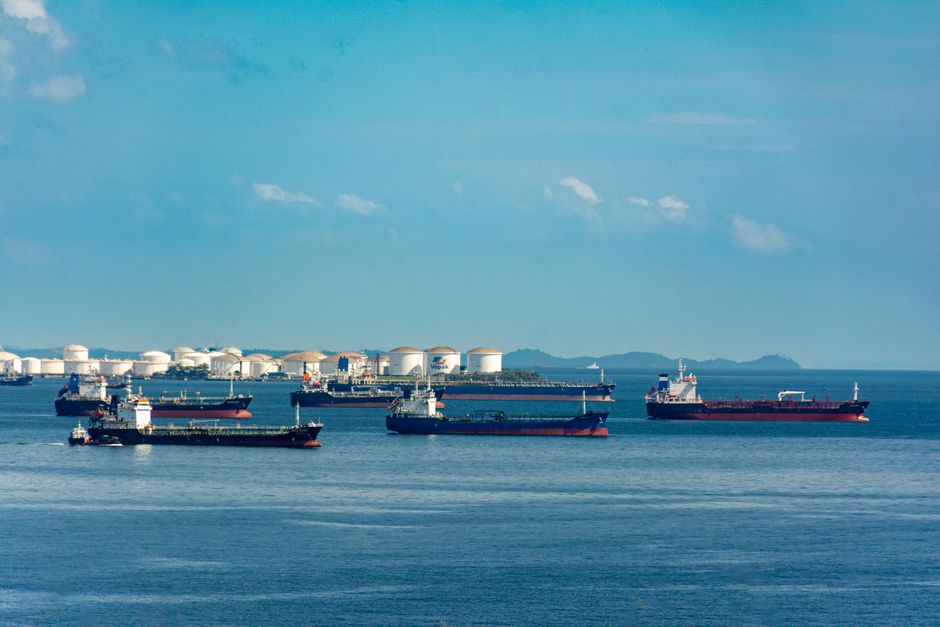
Photo: Zifeng Xiong
Hegseth defends ongoing Iran war, seeks $88bn more despite mounting costs
Defense Secretary seeks critical funding as Iran-backed forces threaten global shipping
Hegseth requests $88 billion in additional Pentagon funding as Iran conflict escalates
Key Takeaways
- The US has been engaged in direct military conflict with Iran since early 2024, but the public record does not disclose when this conflict began, under what authorization it continues, or what diplomatic off-ramps have been pursued or rejected.
- Neither side addresses whether the threat level from Houthi blockades justifies the cost trajectory or whether alternative military or diplomatic responses exist beyond supplemental spending.
- Australian energy market analysts have warned that escalating Middle East tensions will likely drive fuel prices higher and increase interest rate hikes, but this global economic dimension appears only in left-aligned coverage, suggesting selective reporting based on political alignment.
The Analysis
Defense Secretary Pete Hegseth requested between $87.6 and $88 billion in supplemental Pentagon funding during Senate testimony on July 21, framing the expenditure as necessary to sustain military operations in the Iran conflict without disruption. The specific dollar figure and the phrase sustain vital operations without disruption appear across multiple left-leaning outlets, suggesting coordinated emphasis on the scale of the request rather than its justification.
What actually occurred: Hegseth testified before the Senate Appropriations Committee. Houthi forces, backed by Iran, declared a maritime blockade targeting Saudi Arabian ports in the Red Sea. Australian economic analysts warned that escalating Middle East tensions are likely to drive fuel prices higher, increasing the probability of interest rate hikes by the Reserve Bank of Australia. The public record does not disclose internal Pentagon analysis comparing this supplemental request to previous Iran conflict funding or establishing specific operational gaps the funds would address.
The left framing emphasizes the size of the funding request and Hegseth's defense of an ongoing war, using language like ongoing war and requests billions more, which foregrounds the conflict's persistence and rising costs. The Guardian headline highlights protesters removed at the start of testimony, a detail that appears in left coverage but not in right-leaning sources. This framing leaves out the operational context for why the funds are needed now, the specific military capabilities or personnel gaps the supplemental addresses, and any stated timeline for the conflict's conclusion. The emphasis on cost and defense of the war serves a political function: it invites readers to question whether continuation is prudent.
The right framing treats the funding request as a response to escalating Iranian-backed threats, particularly Houthi maritime blockades threatening global shipping. The Daily Wire describes the Houthis as a familiar terrorist foe and notes the blockade risks pulling the group deeper into the conflict while straining global energy routes. This framing emphasizes threat escalation and the geographic expansion of Iranian-backed operations. It does not emphasize the overall cost of the conflict, the duration of US involvement, or congressional scrutiny of the funding request itself. The emphasis on threat evolution serves a framing function: it justifies additional spending as necessary rather than optional.
What neither side fully addresses: The US has been engaged in direct military conflict with Iran since early 2024. The available reporting does not establish when this conflict began, under what authorization it continues, or what specific diplomatic off-ramps have been pursued or rejected. Neither framing accounts for the fact that supplemental funding requests suggest original 2026 defense appropriations were insufficient to cover planned Iran operations, raising questions about budget forecasting that neither side examines. The left does not acknowledge that Houthi blockades and Iranian actions do create observable shipping and energy market disruptions. The right does not address whether the threat level justifies the cost trajectory or whether alternative responses exist. Australian energy market concerns appear only in left coverage, suggesting this story's global economic dimensions are being selectively reported based on political alignment.
The underlying question is whether this supplemental request reflects an escalating conflict that has exceeded original budget expectations or whether it represents a strategic expansion of US operations in the region. The public record does not establish which interpretation is accurate.
The $88 billion supplemental request reveals a fundamental forecasting failure within Pentagon budget planning. If original 2026 defense appropriations were sufficient for stated Iran operations, this supplemental would be unnecessary. If they were insufficient, the Defense Department either miscalculated the scope of operations it intended to conduct or deliberately understated costs to secure initial appropriations. Neither Congress nor the public has received analysis comparing this request to previous Iran conflict funding or explaining why operational gaps emerged between budget submission and testimony. The Houthi blockade in the Red Sea creates measurable disruptions to global shipping and energy markets, yet Australian economic warnings about resulting fuel price increases and interest rate pressures appear selectively in left-aligned coverage, suggesting major economic consequences are being filtered through political rather than editorial judgment. Until Pentagon leadership discloses specific capability gaps this funding addresses and establishes a timeline for conflict conclusion, supplemental requests become a mechanism for expanding operations without full budget accountability.