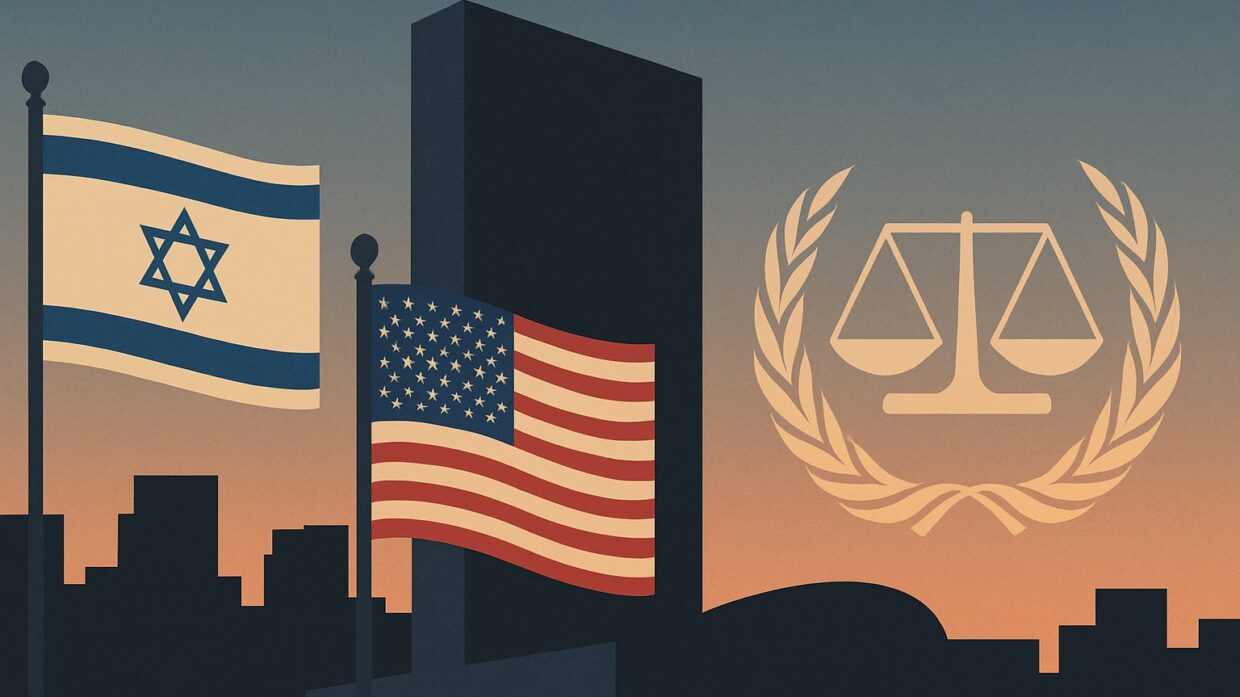
Photo: Well This Is News
Netanyahu Defies International Law, Accuses Critic Mamdani of 'Fomenting Hate'
NYC Mayor Mamdani Overreaches on Netanyahu, Gets Pushback From NBA Star
Netanyahu Plans UN Attendance Despite NYC Mayor's ICC Arrest Warrant Opposition
Key Takeaways
- The United States is not an ICC member state and does not recognize the court's jurisdiction, meaning Netanyahu's attendance at the UN is protected by diplomatic immunity conventions regardless of the warrant or Mamdani's objections.
- Neither Mamdani's statement nor Netanyahu's response clarifies whether the U.S. State Department has issued formal guidance to NYC law enforcement about diplomatic immunity protocols for the visit.
- Netanyahu views the New York trip as strategically significant enough to proceed despite diplomatic friction, suggesting the planned meetings with Trump on Iran policy serve purposes beyond the UN General Assembly itself.
The Analysis
Benjamin Netanyahu said Sunday he would attend the UN General Assembly in New York this fall despite an International Criminal Court arrest warrant for war crimes, prompting NYC Mayor Zohran Mamdani to declare him unwelcome in the city. The collision between a municipal official's symbolic resistance and a sitting prime minister's diplomatic obligations exposes the gap between ICC jurisdiction and practical enforcement.
The documented facts: Netanyahu announced his UN attendance plan and stated he views ICC charges as bogus. Mamdani, a New York City mayor, said Netanyahu is not welcome in the city. Netanyahu then accused Mamdani of fomenting hate. NBA player Kyle Kuzma criticized Mamdani, saying a mayor was overstepping authority into presidential-level matters. Bloomberg reported Netanyahu also plans to press President Trump on Iran nuclear monitoring during his visit.
The left frame, represented in The Guardian's coverage, emphasizes Netanyahu's defiance of international accountability mechanisms. The language choice is direct: Netanyahu "accuses Mamdani of fomenting hate," framing his response as dismissive rather than substantive. The framing leaves out the structural fact that the ICC has no enforcement apparatus in the United States and that U.S. diplomatic protocol typically grants visiting heads of state immunity from arrest, regardless of warrant status. That omission is politically convenient because it allows readers to focus on Netanyahu's alleged disregard for accountability rather than on the legal architecture that actually protects him.
The right frame, from the Washington Examiner, centers on municipal overreach. The chosen language is "a mayor playing president," a characterization that questions Mamdani's standing to make foreign policy pronouncements. The framing treats Mamdani's position as presumptuous rather than principled. What this framing underplays is that Mamdani's statement, while limited in legal force, reflects a documented political position in New York City regarding Israeli policy. The frame avoids the substantive debate about ICC jurisdiction by reducing it to a question of whether a mayor should speak on such matters at all.
What neither side foregrounds is the structural tension this event reveals. The ICC has issued a warrant for Netanyahu's arrest, but the United States is not an ICC member state and does not recognize the court's jurisdiction over its own officials or invited foreign dignitaries. Netanyahu's attendance at the UN, an organization headquartered in New York, has long been protected by diplomatic immunity conventions that predate both the ICC warrant and Mamdani's mayoralty. The real issue is not whether Mamdani or Netanyahu has authority to prevent the visit, it is that the ICC warrant itself is unenforceable in the territory where Netanyahu plans to travel. The public record does not establish whether Mamdani's statement was intended as rhetorical opposition or reflected a legal position, though the evidence suggests it was primarily symbolic.
What also remains undisclosed is whether the U.S. State Department has issued formal guidance to NYC law enforcement about diplomatic immunity protocols. The documented record shows Netanyahu plans to meet with Trump on Iran policy, suggesting the visit serves strategic diplomatic functions beyond the UN General Assembly itself. The sequence suggests Netanyahu views the trip as strategically important despite the diplomatic friction, but the reasoning behind that calculation is not publicly established.
Netanyahu's attendance exposes the gap between ICC authority and enforcement power in ways that will reshape how international courts operate. The warrant exists without teeth because the U.S. is not an ICC signatory and grants diplomatic immunity to visiting heads of state regardless of outstanding warrants. Mamdani's symbolic opposition has no legal weight, but his willingness to declare a sitting PM unwelcome signals that municipal leaders will increasingly treat ICC warrants as moral statements rather than unenforceable legal documents. This disconnect matters because it demonstrates the ICC's fundamental dependence on state cooperation that does not exist for major powers. Future ICC warrants for leaders of non-signatory nations will carry less credibility, weakening the court's deterrent effect precisely when its legitimacy depends on consistent enforcement capacity. The real consequence is institutional: the ICC becomes a tool for symbolic opposition rather than substantive accountability.