Photo: Well This Is News
World's Richest Man Funnels Record Sum to Republicans While Pursuing AI Vision With Minimal Human Role
Tech Billionaire Elon Musk Emerges as Biggest Donor Backing GOP in Critical Midterm Push
Musk Becomes Largest Known Midterm Donor with $276M to Republicans as AI Factory Plans Advance
Key Takeaways
- No public reporting has identified which specific Republican policies, legislation, or candidates Musk's $276 million in donations are designed to support or influence.
- Musk's semiconductor factory would likely require federal support through programs like the CHIPS Act or regulatory changes, yet reporting has not examined whether his political donations are connected to advancing those requirements.
- The donations were made through FEC-disclosed super PACs and should constitute public record, but media coverage used the word 'quietly' without establishing whether Musk concealed his motivations or whether the donations simply received limited early attention.
The Analysis
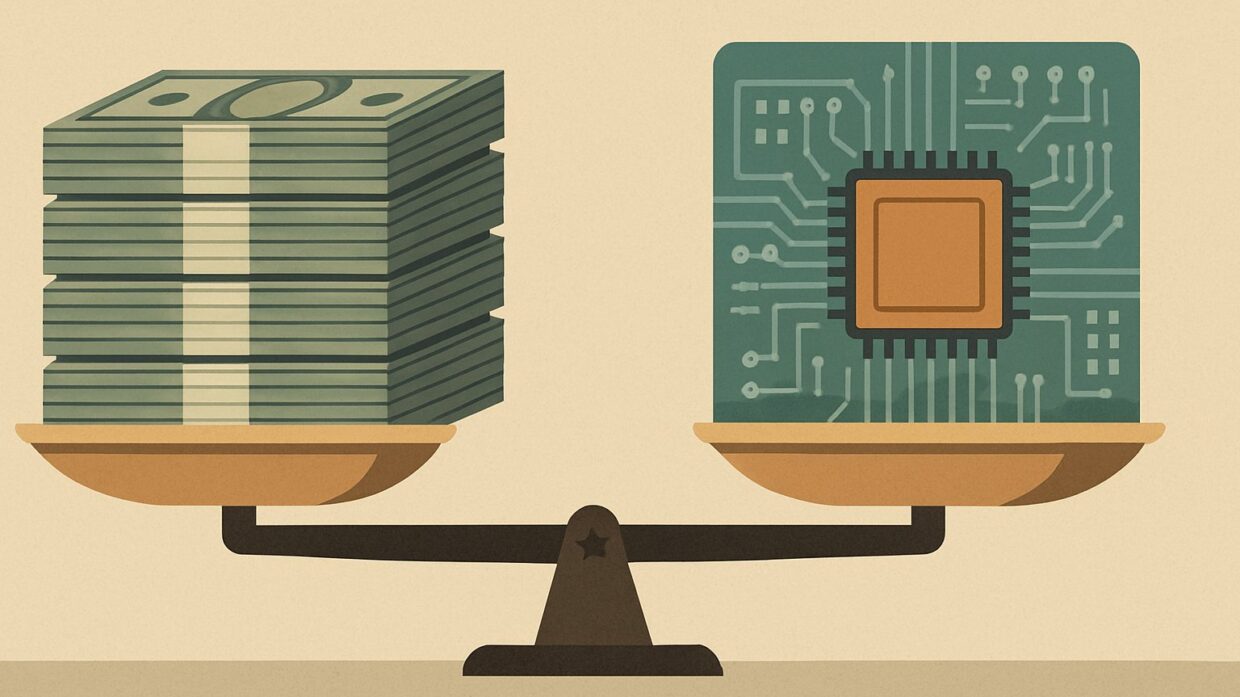
Elon Musk's emergence as the largest known donor in the midterm elections, contributing $276 million since July to Republican super PACs and organizations, overlaps with his announcement of a major semiconductor factory planned for Texas. Neither the left nor right framing makes the connection between these two developments central to how readers understand what is actually happening.
The documented facts are these: Musk transferred at least $276 million to Republican-aligned groups in the three months before the midterms. PBS NewsHour used the word "quietly" to describe this spending, suggesting opacity or concealment. The Hill and PBS both reported the amount and the timeframe without additional embellishment. Mother Jones reported Musk's statement that the Texas semiconductor factory would have output "at least" a specified capacity and tied it to his stated vision of AI development. Breitbart reported the donation amount and characterized it as an effort to "save" Republican majorities.
The left framing, represented by Mother Jones, selects Musk's own words about AI and humanity's role in the future, then connects those statements to his political spending as evidence of aligned ambition. The headline structure ("Hopes His New Factory Will Help AI Supplant Life on Earth") treats Musk's technological vision and his political investment as a single narrative of intention. This framing leaves out the specific legislative or policy goals Musk's donations are targeting, the specific candidates he is funding, and whether any direct quid pro quo or policy promise has been documented.
The right framing, represented by Breitbart, isolates the donation amount and its direction toward Republicans, emphasizing Musk's role as a financial backstop for a party facing "headwinds." The headline treats the donation as a discrete political intervention without reference to Musk's other business activities or stated visions. This framing leaves out any examination of what policy outcomes Musk may be seeking, whether his semiconductor factory plans require regulatory approval or tax incentives, and what relationship, if any, exists between his donations and his business interests.
What neither framing establishes is the specific legislative agenda these donations are designed to advance. A semiconductor factory of the scale Musk described would likely require federal support through existing programs like the CHIPS Act or through regulatory streamlining. The public record does not disclose whether Musk's Republican donations are tied to semiconductor policy, tax policy, regulatory policy, or general party support. The absence of this reporting is significant because it means readers cannot assess whether Musk's political spending represents ideological alignment, business interest protection, or both.
The word "quietly," used by PBS, suggests the spending occurred without Musk's public announcement or major media focus. Yet the donations were made through super PACs and organizations that file FEC disclosures, making them matters of public record. The reporting does not establish whether "quietly" means Musk avoided media commentary about his motivations or whether the donations themselves were not widely reported in real time.
What the record actually establishes is that Musk made substantial Republican donations in a specific timeframe and announced a major infrastructure project in the same period. The connection between those two facts remains unexamined across all three source perspectives. The underlying question is whether Musk's political spending is designed to create a regulatory or policy environment favorable to his semiconductor ambitions, and if so, what specific policies are at stake.
Musk's $276 million in Republican donations during the months preceding his Texas semiconductor factory announcement exposes a gap in how political money is scrutinized. Neither major media outlets nor partisan commentators have established whether these contributions target specific semiconductor, tax, or regulatory policies that would benefit his manufacturing plans, or whether they represent general ideological support. The CHIPS Act and related federal programs already funnel billions toward semiconductor development, yet the public record contains no reporting linking Musk's donations to any legislative agenda that would advance his factory's interests. Until that connection is documented or definitively ruled out, readers cannot distinguish between political patronage and business strategy masquerading as partisanship. This ambiguity matters because it determines whether federal policy is being shaped by concentrated private wealth deployed to secure infrastructure benefits.