Photo: Erik Mclean
Gas prices dip below $4 but inflation remains stubbornly high
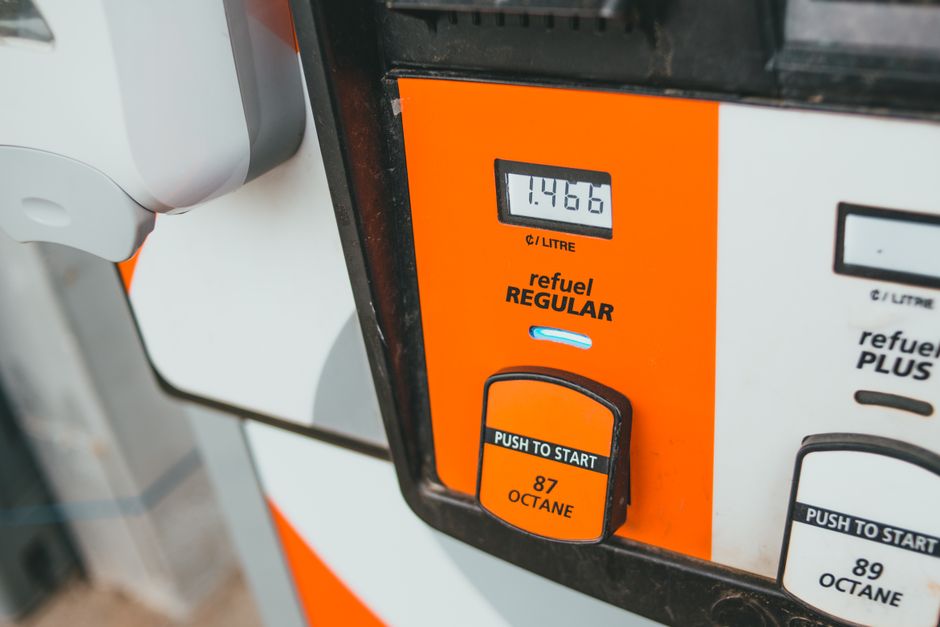
Gasoline Prices Drop Below $4 A Gallon
Gas prices fall below $4 as inflation pressures persist elsewhere in economy
Key Takeaways
- Gasoline and broader inflation are moving in opposite directions on the same day, revealing that commodity prices and structural price pressures in housing, services, and food operate through different economic mechanisms.
- Lower gas prices do not automatically translate into household purchasing power recovery because most stubborn inflation is concentrated in non-commodity sectors where supply and demand dynamics are fundamentally different.
- Both sides are reporting accurate facts but each omits the other's story, missing the reality that inflation-fighting has shifted from a commodity-relief problem to a structural stickiness problem in services and housing.
The Analysis
Gas prices crossed below $4 per gallon on Tuesday while October inflation data confirmed that broader price pressures remain elevated, creating a genuinely split economic picture that both sides are framing to emphasize different halves of the story.
The documented facts are straightforward: AAA recorded the national average gasoline price at $3.9788 on Tuesday, marking the first sub-$4 reading in three months. The Labor Department simultaneously released October Consumer Price Index data showing that inflation outside of fuel remained sticky. Prices had surged in September, stabilized somewhat in October for gasoline specifically, but continued to climb across housing, food, services, and other categories. This is not a case of competing data; both facts are true on the same day.
NPR's framing, captured in the headline "Gas prices dip below $4 but inflation remains stubbornly high," leads with gas relief and immediately pivots to the larger problem. The language choice matters here: "dip" softens the magnitude of the move, while "stubbornly" assigns agency to inflation as if it is resisting policy efforts. This framing leaves out how much of the current inflation remains concentrated in services and housing rather than broadly distributed, and it emphasizes the gap between commodity relief and persistent household costs. The narrative serves a political function: it acknowledges favorable news while insisting the underlying problem persists.
Breitbart's framing, "Gasoline Prices Drop Below $4 A Gallon," strips away the inflation context entirely and leads with the consumer win. The word "drop" is more definitive than NPR's "dip." The reporting notes that prices "have been dropping in November," emphasizing trajectory and momentum. What this framing excludes is the October inflation data released on the same day, the fact that sub-$4 prices are still elevated compared to historical averages, and the lag between commodity relief and household purchasing power recovery. The emphasis tilts toward the tangible, at-the-pump benefit consumers experience.
What neither side is fully capturing is the structural story: gasoline is volatile and commodity-driven, meaning its price can fall sharply without signaling that underlying inflation has actually broken. The inflation that remains is concentrated in non-commodity sectors, housing, services, healthcare, where price stickiness is structural rather than temporary. A consumer who pays less for gas may still face higher rents, higher insurance, higher food prices. The two stories are both accurate but incomplete.
The real headline is this: commodity prices are easing while structural inflation persists, which means the inflation-fighting challenge is now primarily about sectors where demand management and supply constraints matter more than global oil markets. That's a more complex and less satisfying story than either side is telling, which may explain why it is not being told.
Falling gas prices masked a critical shift in inflation's composition that will determine whether the Federal Reserve can pause rate hikes without reigniting broader price growth. Commodity-driven relief at the pump obscures sticky inflation in housing, services, and food, where structural constraints rather than global oil markets set prices. Policymakers who interpret sub-$4 gasoline as a signal that inflation has broken risk premature policy pivots that leave underlying household cost pressures unaddressed. The coming months will reveal whether this split economy represents genuine disinflation or merely a temporary commodity reprieve masking persistent service-sector price growth that requires sustained restrictive monetary policy to resolve.