Photo: Well This Is News
Trump seeks revenge on Republicans who blocked his redistricting push in Indiana primary
Trump's influence on the line as Indiana voters decide fate of defiant GOP senators
Indiana GOP primary tests Trump's power to unseat state senators who blocked redistricting
Key Takeaways
- Both sides present this conflict as a loyalty test between Trump and the senators, but never explain what the actual redistricting proposal was, which party benefits from it, or why the senators initially voted against it.
- The seven senators may have voted no because the redrawn districts threatened their own electoral survival or reflected constituent preferences in swing districts, not because they defied Trump's authority.
- The real outcome that matters is whether Indiana voters in these districts have independent views on their representation or whether Trump's endorsement becomes the primary factor deciding state legislative races.
The Analysis
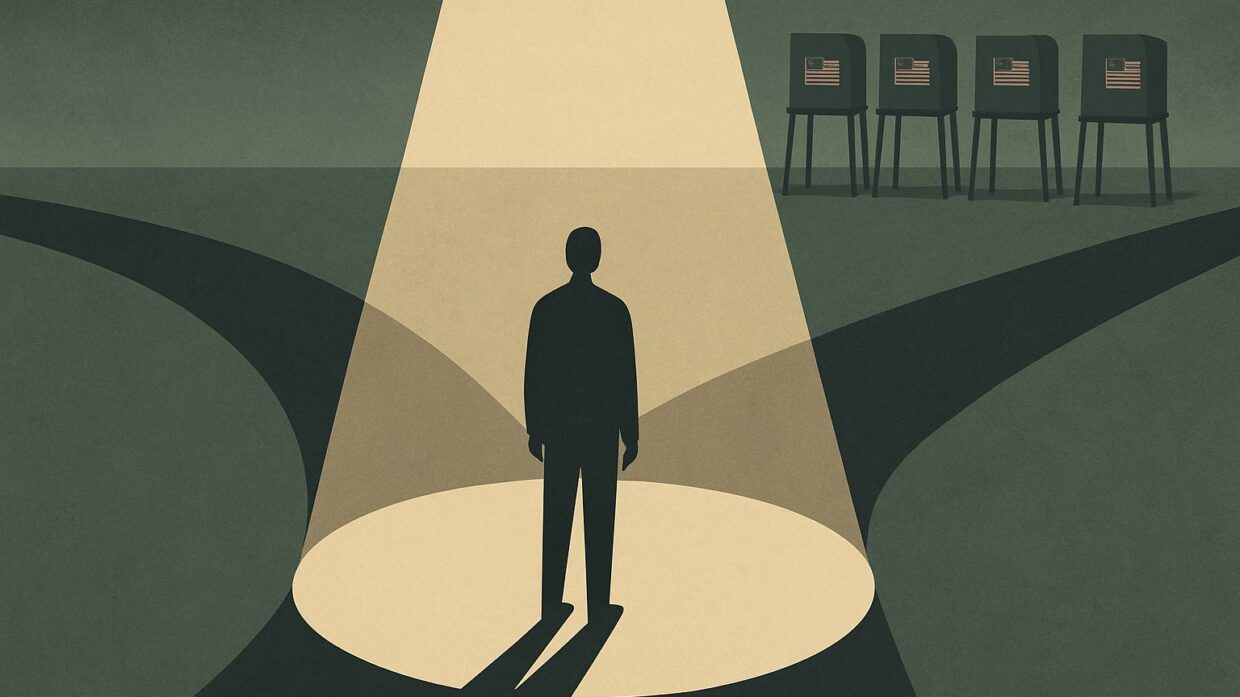
Trump is spending political capital on a fight nobody asked for outside his inner circle, and Indiana's GOP primary Tuesday will tell us how much that capital is actually worth below the federal level. The seven state senators Trump wants to defeat made one decision he disliked,voting against redrawing Indiana's congressional map,and now face a coordinated primary challenge backed by the former president's endorsement machine.
Here is the specific fact both sides are leading with but framing completely differently. Seven Indiana state senators voted last year against a redistricting proposal. Trump wanted those districts redrawn. They voted no. That is the complete substance of the conflict. No corruption charge. No violation of law. A policy disagreement on how congressional lines should be drawn in Indiana, followed by Trump deciding to remove them from the legislature.
MSNBC uses the word "payback" and "defeat" in its headline, treating this as Trump exacting revenge on Republicans who opposed his "key priorities." The network frames the senators' action as defiance of Trump's agenda, not as their legitimate exercise of legislative judgment. The implicit narrative is that Trump is right, these senators betrayed him, and he is correctly punishing disloyalty. What MSNBC omits entirely is why those seven senators voted against redistricting. Were there principled reasons? Constituent concerns? Regional dynamics that made the redraw unpopular in their districts? The story presents the vote as simple insubordination rather than as senators potentially responding to voters in their districts.
Fox News frames this as a test of "Trump's grip" on the GOP, which is a more neutral word choice than "payback" but still centers Trump as the standard against which Republican loyalty is measured. Fox notes that "Trump's endorsements are on the line" and calls these races "key primaries," suggesting they matter primarily because Trump made them matter. But Fox also avoids explaining why the senators voted no in the first place or whether Indiana voters actually support the redistricting proposal Trump wanted.
Neither outlet names the thing that actually matters: what redistricting proposal are they talking about, specifically? What were the old districts? What were the new proposed districts? Which party benefits from the redrawn map, and by how much? Indiana's congressional delegation is currently 5-4 Republican. If the redrawn map gave Republicans a 6-3 advantage, that would explain why Democrats opposed it and why some Republicans representing swing districts might have also opposed it,not out of betrayal, but out of fear of losing their own seats in a different map.
That history is not mentioned in any of these sources. The unstated fact is that partisan redistricting is the actual issue, but both left and right present this as a personal loyalty question between Trump and seven legislators.
The real headline is this: Indiana's primary will measure whether Trump can force out state legislators who disagree with him on a specific legislative question, or whether Republican voters in those districts have their own opinions independent of Trump's endorsement. The result matters far less as a test of Trump's power than as evidence of what power state-level voters actually retain in their own elections.
Indiana's primary Tuesday will reveal whether Trump can eliminate state legislators purely for a policy disagreement, but the outcome carries weight beyond Trump's ego. If voters reject Trump's endorsed challengers, it signals that Republican primary voters in legislative districts retain independent judgment on redistricting fights, limiting Trump's ability to dictate state-level personnel decisions through endorsements alone. Conversely, if Trump's candidates win decisively, Republican state legislatures nationwide will face a chilling effect, knowing that opposing Trump on redistricting or other legislative matters invites coordinated primary challenges backed by his machine. The stakes involve whether state power remains distributed across local representatives or concentrates around a single national figure's approval. This fundamentally reshapes how state governments function and whom legislators answer to first.