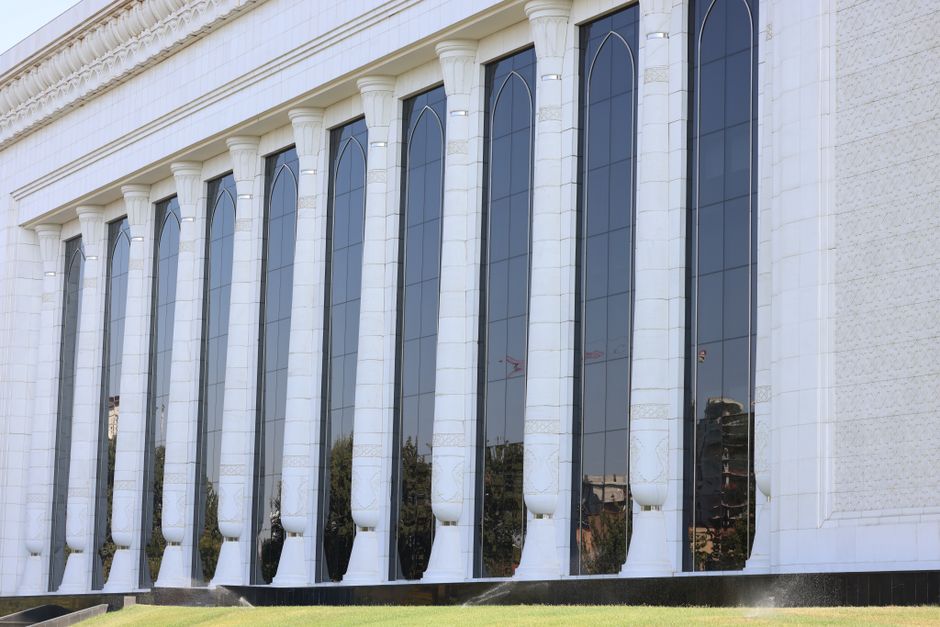
Photo: Xayriddin Baxromxo'jayev
The world we know is over without urgent climate action, Marshall Islands president warns at COP31
We haven't found a right-leaning take on this story yet.
Breaking stories sometimes publish before every side has covered them. We'd rather show you that than invent a view.
At COP31, world leaders warn of climate urgency while facing criticism over conference logistics
Key Takeaways
- COP31 is only on Day 3 of a multi-week negotiation, meaning the urgent warnings and policy proposals being broadcast now are opening positions, not final agreements that will be implemented.
- The Marshall Islands faces documented, measurable threats from worsening tidal flooding, but the conference's ability to translate that urgency into binding, enforceable commitments remains unproven based on the pattern of previous COPs.
- Access to COP31 is tightly controlled, with world leaders and thousands of delegates admitted while grassroots climate activists face restrictions, creating a disconnect between those negotiating climate policy and those most affected by it.
The Analysis
COP31 in Antalya has produced two simultaneous narratives, each factually accurate but framing a different story about what happened on Day 3. Both the stakes being articulated and the logistics being criticized tell us something important about how climate negotiations actually work.
The left framing, led by The Guardian's coverage, emphasizes the warnings themselves. The Marshall Islands president stated that without overwhelming climate response, the world as currently known is over. The UN secretary general, according to available reporting, explicitly proposed a windfall tax on oil and gas firms. These are specific policy demands and existential warnings. The framing treats these statements as the primary news, the thing that matters most about this day.
The right framing is largely absent from the provided sources. One source notes that people were stuck outside while world leaders jet in, which invites a skeptical reading about conference hypocrisy, but no right-leaning outlet has yet published a framing that explicitly counters the climate urgency messaging.
What neither framing foregrounded: the specific policy distance between rhetorical commitment and negotiated outcome. The Marshall Islands faces measurable, documented threats, with the country experiencing worsening tidal flooding. That is factual. But COP31 is Day 3 of a multi-week summit. The statements made on Day 3 are opening positions, not final agreements. The left framing treats the warning as news because it reflects the stated urgency of world leaders. The absent right framing would likely emphasize that warnings are not commitments, that past COPs have produced targets routinely missed, and that a windfall tax on oil and gas remains a proposal, not a ratified policy.
The logistics criticism in Climate Home News, which notes the contrast between admitted leaders and excluded civil society activists, deserves attention. It signals something real about COP structure: access is rationed, media coverage is managed, and the people most affected by climate policy are physically separated from the negotiating space. This tension, however, appears in the center reporting, not in either political framing yet.
The substantive unresolved question is whether COP31 will produce binding commitments that exceed previous COPs or whether this edition, like COP26 and COP27, will produce negotiated language that narrows the gap between stated urgency and implemented policy. The Marshall Islands president's warning reflects legitimate environmental concern. The conference logistics reflect the practical realities of diplomatic summitry. Neither the left's emphasis on the warning nor the absent right's skepticism of outcome addresses what will actually be written into the final agreement or what enforcement mechanisms will attach to it.
COP31's opening rhetoric on climate catastrophe will shape political expectations for the final agreement, but the conference structure itself obscures what matters most: the specific binding commitments that emerge. The Marshall Islands president's existential warnings carry political weight because they frame climate response as non-negotiable, yet such statements have preceded every major climate summit for the past decade without producing proportional enforcement mechanisms. If COP31 concludes with voluntary national targets rather than mandatory emissions reductions with real penalties for non-compliance, the gap between Day 3's urgency and the final text will demonstrate that diplomatic summits excel at generating headlines about consensus while producing agreements countries can ignore. The logistics criticism revealing excluded civil society activists points to a deeper institutional problem: negotiators operate in isolation from constituencies most threatened by climate impacts, creating final agreements disconnected from on-the-ground realities. Whether COP31 breaks this pattern depends entirely on mechanisms no one is yet discussing on Day 3