Photo: Well This Is News
COP31 Is Here. Will Anyone Finally Say 'Fossil Fuels'?
We haven't found a right-leaning take on this story yet.
Breaking stories sometimes publish before every side has covered them. We'd rather show you that than invent a view.
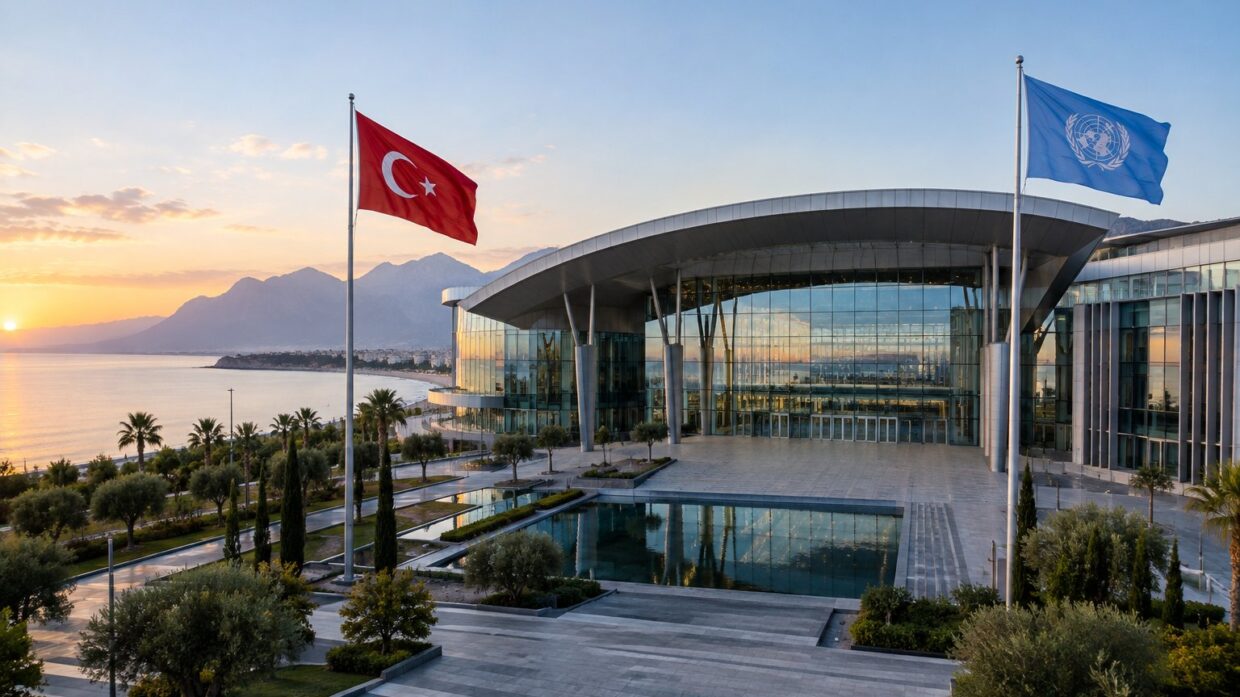
COP31 Opens in Turkey With Australia Leading Negotiations on Climate Action
Key Takeaways
- COP31's presidency was negotiated as a compromise between Turkey hosting and Australia leading, but the specific concessions traded in that deal remain publicly undisclosed.
- The structural problem may not be political capture but voting rules that require consent from oil-exporting nations to restrict the fuels their economies depend on, making binding outcomes nearly impossible.
- The Paris Agreement's voluntary framework has failed to reduce global carbon emissions over a decade, yet neither climate advocates nor policymakers have publicly examined whether the institutional design itself prevents binding fossil fuel restrictions.
The Analysis
COP31 has opened in Antalya, Turkey, with Australia taking the presidency of negotiations involving 190 nations, but the conference's structural arrangement and three-decade negotiating record raise a central question: whether institutional design itself has systematized the language of avoidance around fossil fuels.
The setup itself reveals the underlying tension. Turkey, a NATO member with significant natural gas interests and recent documented restrictions on press freedom, is the host country. Australia, a major coal and liquefied natural gas exporter whose government has historically resisted aggressive climate language, holds the negotiating presidency. This arrangement was negotiated as a compromise, according to the available reporting, but the reporting does not disclose what specific concessions were exchanged or which parties objected to alternative arrangements.
What the records do establish is the pattern Mother Jones emphasizes: thirty years of annual climate conferences have produced agreements that systematically avoid the phrase "phase out fossil fuels." The Paris Agreement, the benchmark international climate accord, does not contain that language. Neither did the Glasgow Climate Pact. This is not accidental language drift. It reflects deliberate word choice by negotiators from oil-producing and oil-consuming nations alike. When Inside Climate News reports that "the stench of fossil fuels has become a hallmark" of these conferences, beginning with the transportation logistics of the talks themselves, the observation points to an institutional paradox: nations convening to address climate change operate on fossil fuel infrastructure while their official negotiating documents omit the term itself.
The left framing, as Mother Jones frames it, treats the linguistic avoidance as the story. The headline poses a direct question: will COP31 finally say "fossil fuels"? This framing assumes that naming the problem is prerequisite to solving it, and that institutional resistance to the term reflects political capture by fossil fuel interests. The analysis leaves out what the negotiating incentives actually are: oil-exporting nations like Saudi Arabia, Nigeria, and Iraq have voting power at these conferences. A binding commitment to phase out fossil fuels would require their consent or their willingness to be overruled. The reporting does not establish whether the omission reflects political cowardice or structural impossibility, or both.
The right-leaning perspective is not represented in the sources provided, but the available record suggests likely arguments: that COP conferences produce non-binding agreements regardless of language, that developing nations depend on fossil fuel revenue, and that unilateral Western restrictions harm economic growth without changing global energy use. Neither the Mother Jones framing nor the available reporting directly addresses these claims.
What neither side fully addresses is why thirty years of this pattern persists. The Paris Agreement represented a diplomatic breakthrough when it was signed. It produced voluntary national commitments. After a decade of implementation, global carbon emissions have continued rising. Inside Climate News reports this fact but does not explore whether the institutional framework itself, majority voting among nations with conflicting economic interests, can produce binding outcomes that restrict fossil fuels, or whether that structural constraint explains the recurring pattern of ambiguous language.
The headline this conference should carry is simpler: After 30 years, climate talks still cannot produce binding restrictions on the primary cause of emissions, and the structural reasons for that failure remain unexamined in the conference coverage.
Australia's presidency of COP31 while remaining a major coal and liquefied natural gas exporter crystallizes a three-decade institutional pattern: climate conferences systematically avoid binding commitments to phase out fossil fuels, relying instead on voluntary national pledges that have failed to reduce global emissions even once. The Paris Agreement and Glasgow Climate Pact both omitted this language deliberately, not accidentally, reflecting negotiating power held by oil-producing nations whose consent is structurally required for binding outcomes. This means the conference framework itself guarantees that language will remain ambiguous and commitments non-binding as long as fossil fuel exporters retain voting equality. Turkey's hosting role, given its natural gas interests, reinforces rather than challenges this pattern. Until climate conferences restructure to exclude or override nations blocking explicit fossil fuel restrictions, annual conferences will continue producing symbolic agreements while emissions rise, making the institutional architecture of climate diplomacy functionally incompatible with the stated goal of reducing carbon