Photo: Well This Is News
Trump carries out another round of strikes on Iran amid escalating military tensions
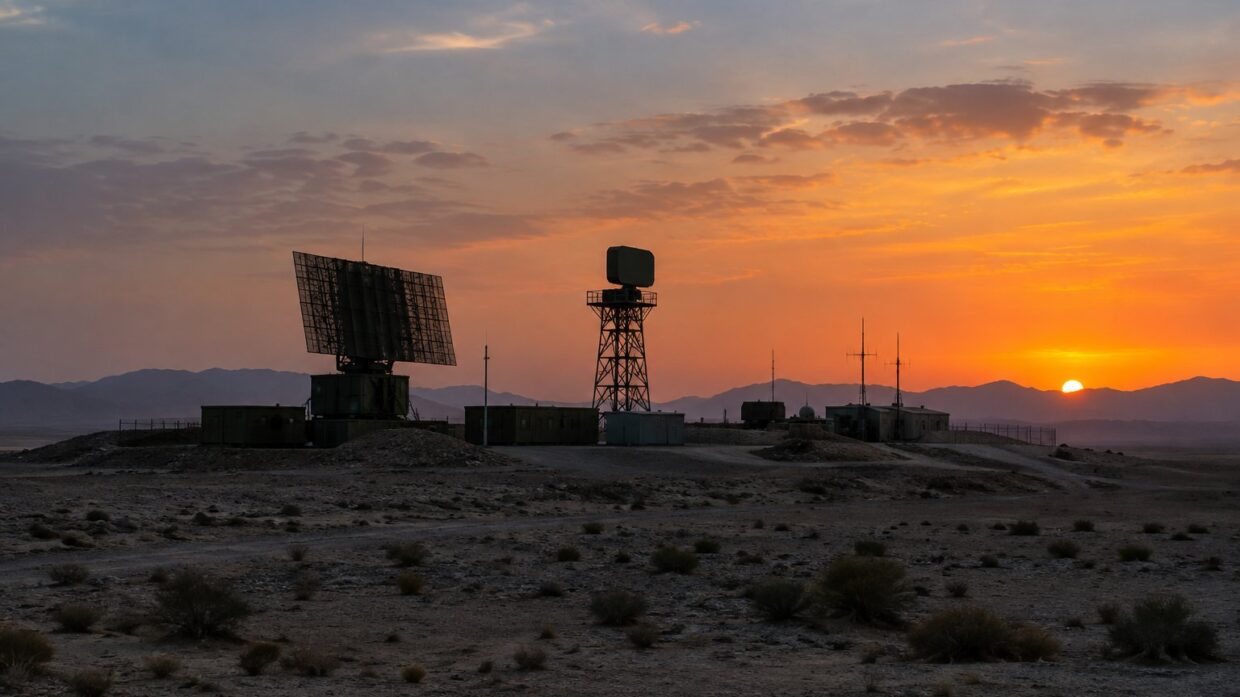
Trump: U.S. destroyed Iranian anti-aircraft system in limited strikes
We haven't found a neutral take on this story yet.
Breaking stories sometimes publish before every side has covered them. We'd rather show you that than invent a view.
The Analysis
Trump announced Friday that U.S. forces struck an Iranian air defense installation, calling the operation minor. What neither the administration nor the opposing media commentary addresses is why this strike happened now, what triggered it, and whether it contradicts or reinforces the stated diplomatic track.
The Guardian frames this as another round of escalation. The outlet's language, another round, positions the strikes within a pattern of military action. The story emphasizes that diplomatic efforts have accelerated, implying tension between the military action and the supposed peace track. The Guardian does not specify what the Iranian air defense system had done to warrant targeting, nor does it detail what the previous attack disclosed days earlier accomplished. The omission matters because it leaves readers unable to assess whether these strikes are responses to Iranian actions or independent U.S. initiatives.
Breitbart emphasizes speed and precision. The phrase destroyed within minutes frames the operation as technically proficient and limited in scope. Breitbart's language, limited strikes, echoes Trump's own word choice, minor strikes, which signals alignment with the administration's framing. But Breitbart also does not explain the justification for the strike or what specific Iranian threat prompted it. The outlet highlights U.S. capability but does not foreground the diplomatic context The Guardian emphasized.
What both framings leave out is crucial: the Iranian air defense system's operational status before the strike, whether Iran had used it to threaten U.S. forces or assets, and whether the strike was coordinated with or informed the diplomatic efforts the Guardian mentions. Trump's description, minor, suggests limited military escalation, but the threshold for what constitutes minor versus major is undefined. A strike that destroys infrastructure is quantitatively different from a warning strike, yet both could be described as limited.
The sequence matters. If diplomatic efforts have accelerated, the timing of a new strike requires explanation. Either the strike was planned before diplomatic engagement intensified, suggesting it operates on a separate timeline, or it was executed during diplomatic talks, suggesting it serves a bargaining function. The available reporting does not establish which.
The phrase air defense system appears in both outlets but carries different weight. For the Guardian, it supports a narrative of mounting military tension. For Breitbart, it supports a narrative of justified, measured response. Neither outlet explains what role this specific system played in Iran's military posture or whether its removal substantively changes the regional balance.
One plausible interpretation is that Trump is signaling to Iran that the U.S. retains military options even as diplomatic channels operate. Another is that the strikes target systems that threaten U.S. forces or aircraft. The reporting does not establish which reading the administration intended. What remains unresolved is whether this strike advances or complicates the diplomatic process, and on what evidence each side is making that claim.
Strikes without stated justification create a dangerous precedent for military action decoupled from transparent threat assessment. When the U.S. conducts operations without publicly explaining what Iranian action triggered them, or whether they serve diplomatic leverage or military necessity, allies cannot calibrate their own responses and adversaries lose clarity on what behavior the U.S. considers unacceptable. The absence of explained causation transforms military strikes into signals whose meaning depends on which audience interprets them. If Iran reads this as preparation for escalation disguised as diplomacy, it may accelerate its own military preparations rather than engage negotiation. If regional allies view it as unilateral action disconnected from international coordination, it weakens the institutional consensus required for sustained diplomatic pressure. Future strikes justified only as minor invite incremental normalization of military action that operates outside the constraints of declared policy, eroding the distinction between controlled military options and unauthorized escalation.