Photo: Well This Is News
Melania Trump touts rare Russia-Ukraine agreement brokered at White House
Melania Trump Hopes Russia-Ukraine Ceasefire 'Inspires Greater Peace'
We haven't found a neutral take on this story yet.
Breaking stories sometimes publish before every side has covered them. We'd rather show you that than invent a view.
The Analysis
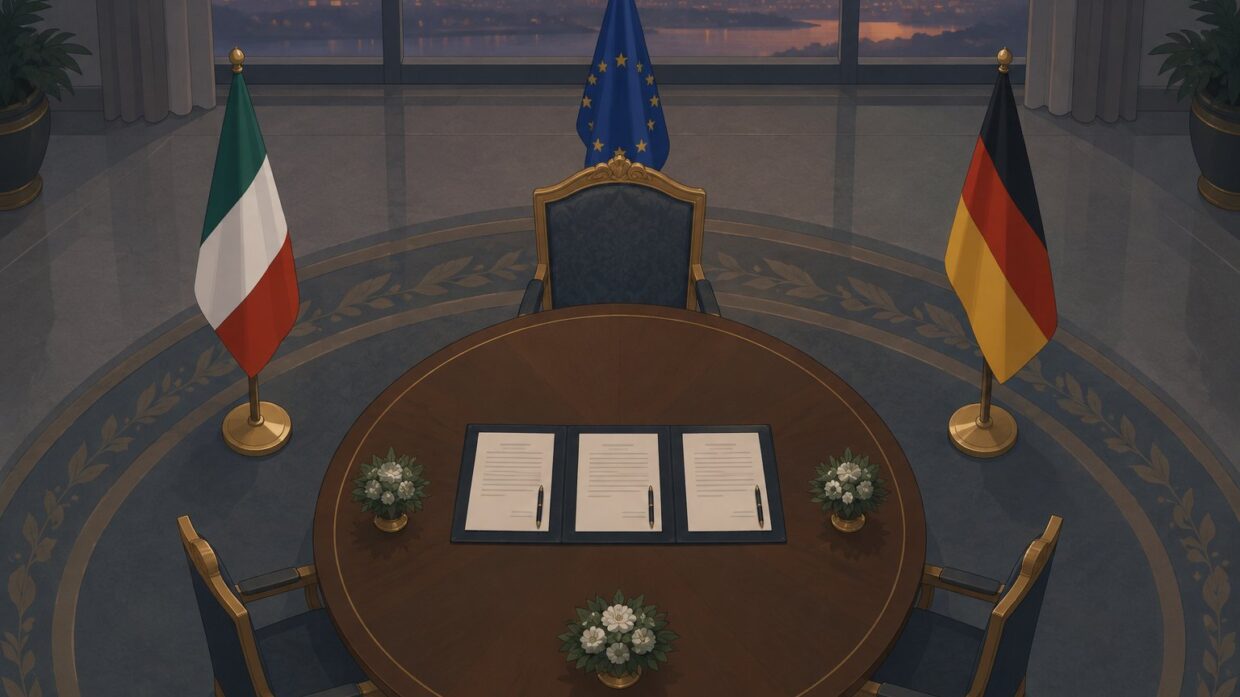
The White House announcement of a six-day ceasefire in Oleshky presents a narrowly framed diplomatic claim that obscures what remains unstated about the conflict's scale and the agreement's durability. First Lady Melania Trump hosted representatives from both Russia and Ukraine at the White House on Thursday, according to reporting from PBS NewsHour, NPR, and Breitbart, with Trump administration officials characterizing the pause as a rare achievement.
The documented facts are these: a six-day ceasefire has been announced in the Russian-occupied city of Oleshky. President Trump met with Putin's envoy during the event but did not meet with Ukrainian officials who were present, according to PBS NewsHour's reporting. NPR frames Trump as having "brokered" the agreement, while Breitbart emphasizes that it "produced tangible, positive results." The administration describes these efforts as part of a broader push to end the war.
The left frame, represented by NPR, uses the word "brokered" to suggest active Trump administration mediation that produced a diplomatic breakthrough. This language credits the administration with agency and effectiveness. But NPR does not specify what Melania Trump's role was, what concessions either side made to reach this pause, or whether the ceasefire was conditioned on future negotiations. The framing treats the six-day agreement as significant without establishing its scope relative to the war's overall geography or its precedential value.
The right frame, represented by Breitbart, emphasizes that the ceasefire "produced tangible, positive results" and uses Melania Trump's own words about inspiring "greater peace." This language focuses on outcomes rather than process and avoids the question of whether a six-day pause qualifies as an agreement or merely a temporary halt. Breitbart does not report on Trump's selective meeting schedule, which PBS NewsHour does foreground.
What neither framing establishes is the context that makes a six-day ceasefire in one city noteworthy or not. Russia controls significant portions of Ukraine's territory. The available reporting does not disclose whether this Oleshky pause was part of a broader military arrangement, whether other fronts remain active during these six days, or what incentivized Russia to accept it. Neither source provides the baseline: how many active combat zones exist in this war, and what percentage of the fighting does Oleshky represent?
The PBS NewsHour detail that Trump met with Putin's envoy but not Ukrainian officials raises an unaddressed question about diplomatic symmetry. The reporting does not explain why Trump chose that meeting structure or what it signals about administration priorities during active peace negotiations. The act of hosting both sides but meeting only one appears anomalous, yet neither left nor right frame addresses it directly.
The language choice of "brokered" versus "tangible results" reveals different assumptions. NPR emphasizes negotiation and mediation; Breitbart emphasizes concrete output. Neither questions whether a six-day pause is durable or whether it represents a tactical advantage for either side. The available record suggests this is either a genuine diplomatic breakthrough or a brief operational pause. The reporting does not establish which.
A six-day ceasefire in one occupied city does not constitute a war-ending framework, yet both the Trump administration and favorable media coverage are framing it as a diplomatic achievement without disclosing whether fighting continues across the remaining hundred-plus kilometers of active front lines. The selective meeting structure, where Trump met Putin's envoy but deliberately avoided Ukrainian officials, establishes a precedent for future negotiations that systematically disadvantages Kyiv's direct access to the U.S. president during peace talks. This asymmetry becomes institutional policy if replicated, reshaping how American mediation operates in territorial disputes and signaling to allied nations that their seat at the negotiating table depends on Trump administration approval rather than their status as an invaded sovereign state. The one-week pause announcement, without context about its geographic scope or military conditions, allows both sides to claim victory while obscuring whether Russia gained tactical breathing room to reinforce positions.