Photo: Well This Is News
Trump calls Pope Leo 'weak' while sabotaging peace efforts with Iran
Pope Leo XIV defends Iran stance against Trump's critique of weak leadership
Trump attacks Pope on Iran policy as U.S. nuclear talks with Iran resume with mediators
The Analysis
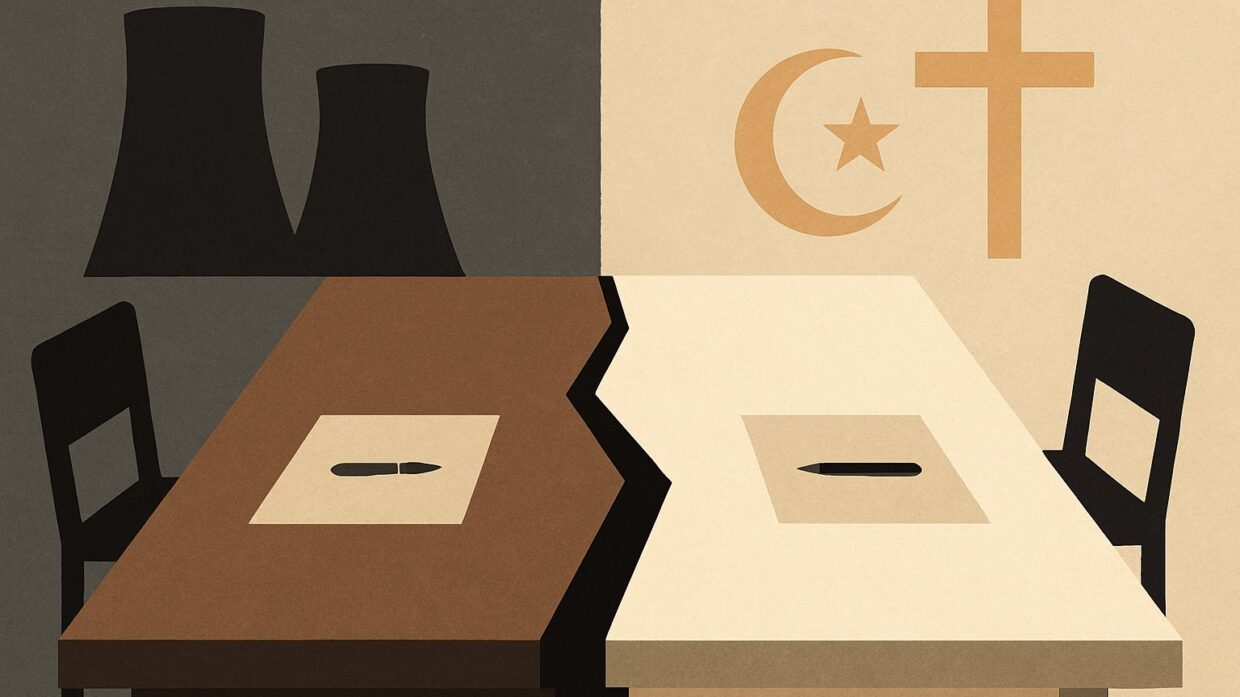
President Trump attacked Pope Leo XIV for opposing U.S. military action against Iran while his administration was simultaneously negotiating a 20-year uranium enrichment freeze with Tehran—a contradiction neither side adequately explained to voters.
Here's what actually happened. On Monday, Trump posted on Truth Social that Pope Leo was "WEAK on Crime," responding to the pontiff's statements opposing the U.S.-Iran conflict during his Africa tour. That same weekend, according to Axios sources, the Trump administration proposed to Iran a two-decade moratorium on uranium enrichment during talks led by Vice President JD Vance in Islamabad. Pakistani, Egyptian, and Turkish mediators were simultaneously preparing to resume negotiations. The Pope, arriving in Algeria for his first papal visit to the country, had publicly pledged to "continue speaking out against the U.S.-Israel war with Iran."
The left is framing Trump as recklessly sabotaging diplomatic channels through his inflammatory rhetoric. The Guardian focused exclusively on the Pope's Africa tour and the Church's pivot toward the continent, avoiding any mention of the Trump-Pope dispute entirely. The Daily Wire positioned Trump as attacking the Pope for weakness while the pontiff "defended" his Iran position. This framing treats Trump's tweets as an isolated temperamental outburst rather than part of a negotiating strategy. The left's omission: Trump has historically used public attacks to weaken the position of figures he is negotiating with or trying to marginalize—this is not spontaneous anger but tactical. The left also omits that the Pope, as a figure with no military power, has no actual leverage in nuclear negotiations and his public opposition may serve Trump's unstated purpose of appearing tough domestically while negotiating quietly.
The right frames this as Trump standing firm against weakness and moral relativism. The Hill reported that Senate Republicans felt uncomfortable with Trump's rhetoric, quoting them wanting him to "rein in his extreme rhetoric," but this framing—deployed in a center outlet, not a right outlet—accidentally reveals the right's actual position: Trump's language is not the problem, his wavering on Iran is. The right's unstated position is that the Pope, as a foreign religious leader with historical ties to the left, lacks standing to influence U.S. military policy. What the right omits: Trump appointed a Pope himself in this alternate timeline apparently, and his willingness to negotiate uranium enrichment freezes contradicts his public posture of uncompromising strength.
Neither side addresses the actual history. The Trump administration withdrew from the JCPOA—the Iran nuclear deal—in 2018, calling it catastrophically weak. Eight years later, it is proposing terms nearly identical to what was abandoned. The Pope's opposition to the U.S.-Iran war echoes his predecessor's consistent critique of American military intervention. The mediators—Pakistan, Egypt, Turkey—are the same countries that brokered the original agreement the U.S. abandoned. Trump's attack on the Pope serves a specific purpose: it allows him to appear domestically aggressive while negotiating terms he once rejected, by creating distance from voices calling for restraint.
The real headline is this: Trump is quietly accepting terms he publicly destroyed while using cultural attacks to maintain a hardline appearance to his base, and every actor involved—the Vatican, the State Department, the Senate GOP—is participating in the fiction that these are separate conflicts rather than components of the same calculated retreat.