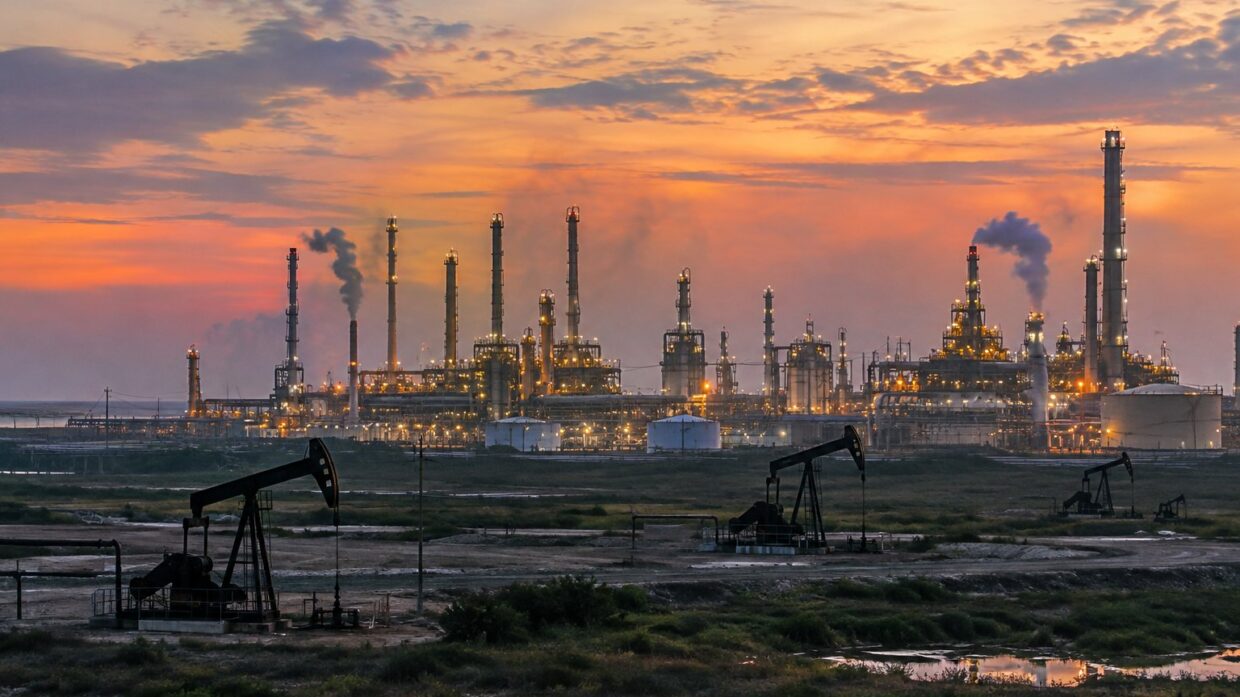
Photo: Well This Is News
Trump Moves to Roll Back Biden-Era Methane Regulations as Climate Concern Mounts
Trump Unveils Plan to Loosen Methane Rules to Boost Domestic Energy Production
Trump Proposes Easing Methane Emission Rules for Oil and Gas at Texas Campaign Rally
Key Takeaways
- Trump announced the methane rule change at campaign rallies in Texas designed to boost Republican Senate and gubernatorial candidates, suggesting the primary audience is political supporters rather than industry regulators.
- The available reporting does not specify whether the proposed rule eliminates methane requirements entirely or merely modifies compliance timelines, leak detection methods, or reporting thresholds.
- Some energy companies have already adopted voluntary methane reduction commitments, indicating that regulatory cost calculations may differ substantially from what either political frame assumes.
The Analysis
Trump announced a proposed EPA rule easing methane emission requirements for oil and gas producers during campaign rallies in Texas on Tuesday, but the framing diverges sharply depending on which announcement details you read and which context gets omitted.
The documented facts: Trump made the announcement in Lubbock at a campaign rally designed to support Republican Senate candidate Ken Paxton and Gov. Greg Abbott, according to PBS NewsHour and The Hill. NBC News reports the EPA plans to "ease regulations aimed at curbing methane leaks." The Washington Examiner frames this as part of Trump's effort to "boost domestic production and lower fuel prices." None of the sources provided specify the exact regulatory language of the proposed rule, the scale of the emissions reduction rollback, or the compliance timeline for existing regulations.
The left frame emphasizes climate consequence. NBC News leads with methane as "a major contributor to climate change" and uses the phrase "roll back Biden-era methane rules." This language choice foregrounds the directional reversal, the partisan chronology, and the environmental stakes. What the NBC framing does not foreground is whether the Biden rules actually prevented leaks or merely required monitoring, whether comparable rules exist under other jurisdictions, or what the measurable environmental impact of the regulatory change will be. The frame assumes readers understand why methane regulation matters and focuses on loss of progress.
The right frame emphasizes economic benefit and producer relief. The Washington Examiner uses the phrase "loosen methane rules" rather than "roll back," and pairs this directly with "boost domestic production and lower fuel prices." This language choice centers the rationale and the constituency (energy producers and consumers) rather than the regulatory reversal. The right framing does not address whether looser methane rules demonstrably lower fuel prices, whether other countries impose comparable emissions standards, or what the lag time is between regulatory change and observable price movement. It centers the policy objective and omits the environmental counterfactual.
What neither side is saying: The available sources do not establish whether Trump's proposed rule removes the methane requirement entirely or modifies compliance timelines, reporting thresholds, or leak detection methods. Neither frame acknowledges that methane regulations exist across multiple jurisdictions and that U.S. producers operate in a competitive global market where some buyers specify emissions standards. Both frames omit the fact that some energy companies have already voluntarily adopted methane reduction commitments, which suggests the regulatory cost-benefit calculation may differ from the policy rhetoric. The sources also do not explain why this announcement occurred at a campaign rally rather than through standard administrative procedure, which may indicate the primary audience is political rather than regulatory.
The underlying question is whether methane regulation functions as environmental policy or as a proxy in a larger debate about fossil fuel industry profitability. The announcement's political timing and venue suggest the second interpretation may be operative, but the sources do not establish the causal chain between regulatory relief and either fuel prices or campaign contributions.
Relaxing methane rules establishes a precedent for sector-specific regulatory relief based on electoral positioning rather than administrative review. When major environmental rules move through campaign rallies instead of Federal Register notices, future administrations face reduced institutional pressure to justify rollbacks through cost-benefit analysis or scientific process. Oil and gas producers gain clarity that regulatory burdens can shift with political cycles, which undermines long-term compliance planning and embeds election timing into energy infrastructure decisions. The absence of specific regulatory language in public announcements means neither industry nor environmental advocates can accurately model compliance costs or environmental impact, creating a governance vacuum where policy substance becomes secondary to political messaging. This hollows out the EPA's technical authority by divorcing rule changes from measurable environmental or economic justification, making regulatory predictability dependent on campaign strategy rather than administrative law.