Photo: Well This Is News
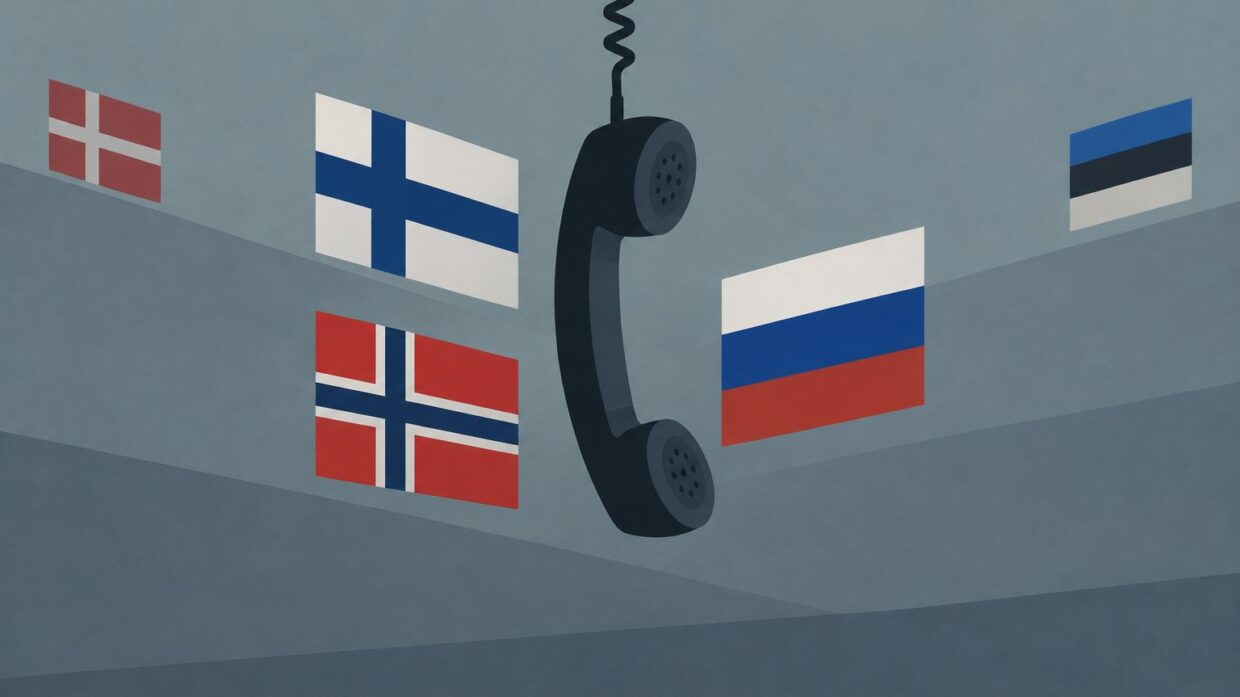
Finnish and Norwegian leaders break European consensus to call Putin on peace talks
We haven't found a right-leaning take on this story yet.
Breaking stories sometimes publish before every side has covered them. We'd rather show you that than invent a view.
Finland and Norway leaders call Putin on Ukraine peace prospects, drawing skeptical response from Baltic allies
Key Takeaways
- Stubb and Støre provided no details about what they actually proposed to Putin or what he said in response, leaving the substance of the diplomatic outreach completely undisclosed.
- Finland and Norway border Russia and joined NATO under specific security circumstances, giving them distinct regional strategic reasons to communicate with Moscow independently from broader European positioning.
- The sources treat this call as unusual without establishing whether previous European leaders contacted Putin during the Ukraine conflict, making it unclear whether this represents a genuine departure in diplomatic practice or routine statecraft.
The Analysis
Finland's Alexander Stubb and Norway's Jonas Gahr Støre called Putin this week to discuss Ukraine peace prospects, and the move immediately split the European response between those calling it diplomatic pragmatism and those warning it fractures Western unity. The apparent disagreement is real, but what matters more is what the call itself reveals about the strategic calculation each side is making.
The documented facts: Stubb and Støre described the conversation as substantive. Neither leader disclosed specific proposals or commitments Putin made. Estonia's Foreign Affairs Minister Margus Tsahkna responded on social media expressing skepticism about the diplomatic channel. Denmark similarly voiced concern. The UK's Wes Streeting characterized Putin as testing NATO resolve. No statement indicated Ukraine's Volodymyr Zelensky was consulted beforehand or coordinated the outreach.
The left-leaning framing emphasizes this as a break from European consensus that could undermine unity. The Guardian reported it as Kyiv hoping for new momentum, while emphasizing that some European leaders reacted skeptically. This frame prioritizes institutional cohesion and the risk that bilateral outreach to Putin fragments the coordinated pressure that has sustained Western support for Ukraine. What this framing leaves unstated is the specific diplomatic content: what Stubb and Støre actually proposed, what Putin said in response, and whether such conversations are inherently destabilizing or routine diplomatic practice.
The right-leaning perspective is largely absent from these sources, but the implicit position would likely emphasize Finland and Norway's sovereignty to pursue diplomacy independently, note that dialog with adversaries is necessary for peace, and argue that refusing to talk to Putin guarantees continued conflict. What that frame would underplay is whether direct calls from individual European leaders, without coordination with Ukraine or other allies, actually advance negotiations or signal weakness to Moscow by suggesting allied unity is fracturing.
What neither side foregrounds is the specific history that preceded this call. Finland joined NATO in 2023 after Russia's 2022 invasion of Ukraine. Norway borders Russia and maintains its own complex relationship with Moscow dating to the Cold War. Both countries have strategic reasons to understand Russian intentions directly, separate from broader European positioning. The call may reflect not European consensus breaking down but rather Nordic countries operating within their own regional interests, a distinction the coverage does not make clear.
Also underdisclosed: whether direct communication channels between European leaders and Putin are uncommon. The sources treat this as unusual, but the record does not establish whether previous European leaders have similarly called Putin during the Ukraine conflict or whether this represents a departure in frequency, formality, or coordination.
The real headline is that Finland and Norway are testing whether independent diplomacy with Putin is compatible with NATO membership and European cohesion, and other allied capitals are immediately signaling it is not. That tension reflects a genuine strategic disagreement about whether talking to Putin advances peace or undermines deterrence, and the sources do not establish which is correct.
Finland and Norway's direct calls to Putin without coordinating with Ukraine or other allies have exposed a fracture in how NATO members interpret their collective commitments. Estonia and Denmark's immediate skepticism signals that European capitals now view bilateral outreach to Moscow as a violation of allied discipline, not diplomatic pragmatism. This precedent matters because it establishes whether individual NATO members can pursue independent channels to Putin without institutional consequences. If Finland and Norway face isolation over this move, NATO's decision-making calculus shifts toward centralized approval for any talks with Moscow. If they face no real penalty, every member gains permission to negotiate separately, fragmenting the coordinated pressure that has sustained Western sanctions and military support for Ukraine. The response will determine whether NATO functions as a unified actor or as a coalition where members can unilaterally redefine engagement with adversaries.