Photo: Well This Is News
Trump's Iran conflict inflates oil profits while gas prices squeeze voters before election
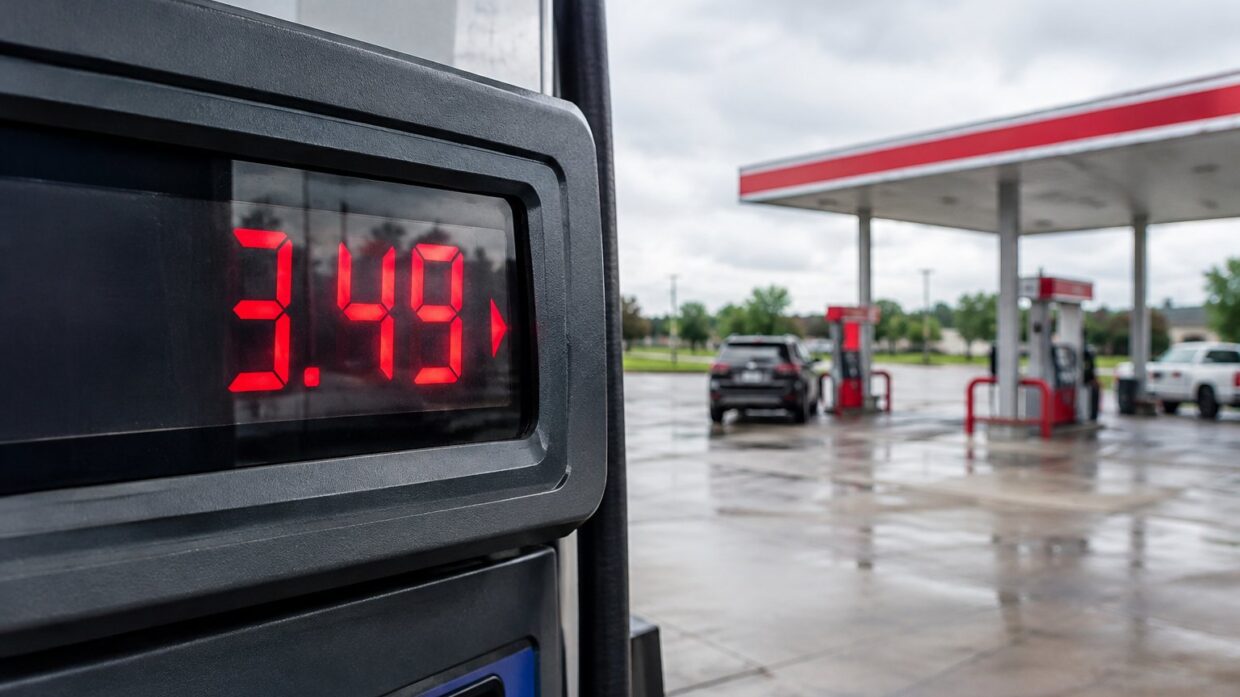
Gas prices surge 37% under Trump as affordability crisis threatens GOP midterm hopes
Oil surge ahead of midterms tests Trump's cost-control pledge as gas prices climb
Key Takeaways
- Trump's prior decisions to withdraw from the Iran nuclear deal and reimpose sanctions in 2018 and 2020 had already constrained Iranian oil supply before his current term, making it unclear whether the current spike reflects new escalation or the accumulated effect of those earlier policies.
- The reporting does not establish whether Trump negotiated with Saudi Arabia or OPEC to increase production during the spike, what those negotiations looked like if they occurred, or whether Saudi production levels actually changed in response to administration requests.
- Republicans internally acknowledge the affordability issue is consequential enough to pull money from certain races, indicating they perceive genuine electoral danger that contradicts their public claims that the price surge is merely temporary.
The Analysis
Oil prices have risen 37% since Trump took office and gas prices surged 9.1% in September alone, but the political and economic story behind those numbers divides sharply depending on which factors each side chooses to emphasize, and which ones each side leaves unexamined.
The documented facts are these: crude oil trading has spiked upward, NBC News reported that energy markets adjusted to what it called a new normal in the Middle East, and the spike occurs 14 days before the midterm elections. Fox News confirmed gas prices rose 9.1% in September specifically, with consumer prices up 3.7% annually. The Axios reporting established that the 37% increase in gas prices has occurred since Trump took office and confirmed that Republicans promised to slash gas prices. House Majority Leader Steve Scalise, per Axios, refuses to discuss losing the House, even as GOP allies are pulling money from certain races, a detail that suggests internal discord about the election's trajectory.
The left frame, articulated by HuffPost, attributes the oil price surge to Trump's Iran escalation and uses the specific language that it has been great for Big Oil Companies and that oil profits have soared. This framing makes a direct causal claim: Trump's foreign policy decisions caused the price spike, which benefits energy corporations at the expense of everyday Americans. The omission in this framing is whether global oil markets, OPEC production decisions, or regional dynamics outside Trump's control contributed to the surge. HuffPost does not examine what portion of the 37% increase reflects Trump policy versus what reflects oil market forces independent of his administration.
The right frame, articulated by Fox News, emphasizes that gas prices surged and consumer prices rose, then pivots to the Trump administration's promise to lower costs. This framing uses language that invites voters to weigh Trump's economy, suggesting that if costs have risen, Trump's economic promise is being tested. The omission here is that Fox does not substantively examine whether Trump's specific policies caused the rise or what structural factors in energy markets drove it. The framing treats the price increase as a political liability without forensically establishing causation.
What neither frame fully addresses is the mechanism of the price increase itself. The Axios reporting mentions the Iran war, but does not specify what Trump administration actions toward Iran preceded the oil spike or how those actions connected to OPEC production decisions or global supply constraints. Neither side discloses whether Trump requested or negotiated with Saudi Arabia or other producers to increase supply, whether those negotiations failed, or what Saudi production levels actually were. The prior context matters: Trump withdrew from the Iran nuclear deal in 2018, reimposed sanctions in 2020, and those policies had already constrained Iranian crude on global markets before his current term. Whether the current spike reflects new escalation or cumulative effects of prior policy is not clearly established in the available reporting.
The real headline is this: Gas prices have risen substantially during Trump's tenure, creating a genuine political problem for Republicans who made cost reduction a central promise. Whether that rise stems primarily from Trump's Iran policy, global oil market dynamics, OPEC production strategy, or some combination remains incompletely established in the coverage available. The fact that House Republicans are internally divided on the election's viability suggests they perceive the affordability issue as consequential, even if they publicly claim the price spike is temporary.
Gas prices rising 37% before midterms exposes a structural vulnerability in Republican electoral strategy. Voters care about pump prices regardless of causation, making Trump's explicit campaign pledge to slash energy costs a hostage to global commodities markets largely beyond executive control. If Republicans lose House seats in districts where cost-of-living anxiety drove voting behavior, the party will face a reckoning about whether promising direct price control was politically reckless. This election outcome will determine whether future candidates attempt similar specificity on commodity pricing or retreat to vaguer messaging about market confidence. The internal GOP fund-pulling that Axios documented suggests operatives already calculate that energy costs could swing vulnerable seats, making this not just today's economic data but a test case for whether explicit price promises are viable campaign centerpieces.