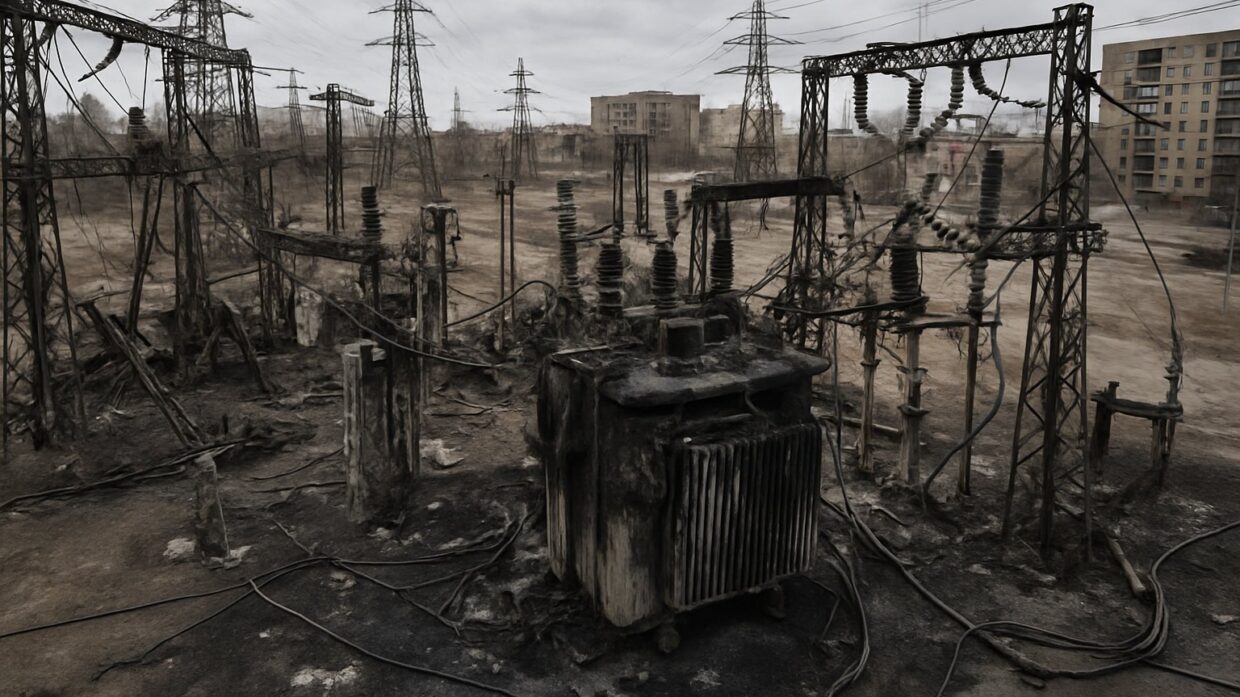
Photo: Well This Is News
Trump declares Russia-Ukraine energy deal without consulting Zelenskyy, who says attacks continue
Trump announces immediate energy ceasefire between Russia and Ukraine
Trump announces energy ceasefire between Russia and Ukraine; Kyiv reports continued strikes
Key Takeaways
- Trump announced an energy ceasefire claiming both Russia and Ukraine had agreed, but Russian attacks on power plants continued after his statement and Zelenskyy said the deal was news to him.
- Trump made a nearly identical ceasefire announcement a month earlier that also failed to hold, suggesting a pattern of announcing agreements without verification or enforcement mechanisms.
- Trump has not disclosed whether he has direct communications with Russian officials about ceasefire terms that Zelenskyy's team is unaware of, leaving unclear whether he is claiming an actual agreement or a willingness to negotiate.
The Analysis
Trump announced an energy ceasefire between Russia and Ukraine on October 11 without prior coordination with Kyiv, and Russian strikes on Ukrainian energy facilities continued after his statement, according to Zelenskyy. What the reporting establishes is a significant gap between the announcement and ground reality, but neither the left nor right framing captures why that gap exists or what it reveals about Trump's negotiating approach.
The documented facts are these. Trump made the announcement on a Sunday without detailing enforcement mechanisms, monitoring procedures, or verification. Zelenskyy's office stated the deal was unexpected and that Ukraine had not agreed to it. Zelenskyy said Russia struck the Kyiv and Kharkiv power systems after Trump's announcement. NBC News reported this is the second such ceasefire announcement in a month, with the previous one also followed by continued strikes. The announcement coincided with Trump's separate proposal to lift sanctions on Russian diesel exports, allowing 800,000 tons to ship over two months. Six senators, including Republican Thom Tillis, said the diesel deal likely violates a 2022 Senate resolution passed 100-0 banning Russian diesel imports.
The left framing emphasizes Trump's unilateral action and the lack of coordination with Kyiv. The Guardian's coverage uses language like Trump acted "apparently without consulting" Zelenskyy and headlines the deal as "news to me." This framing leaves out the specific terms Trump claims to have negotiated and the timing of the diesel sanctions lift. The emphasis on Zelenskyy's surprise serves the narrative that Trump operates without allied input, but the coverage does not examine whether Trump had private communications with Russian officials that Zelenskyy's team was not aware of, or whether the diesel deal functioned as a concession that made the energy ceasefire acceptable to Moscow.
The right framing presents the announcement as a diplomatic move to reduce civilian harm. Breitbart's coverage calls it a ceasefire "on attacking each other's respective energy industries," framing it as a neutral humanitarian measure. This framing leaves out the fact that Ukrainian officials explicitly rejected the deal and reported continued Russian attacks. It also does not address the legal questions about whether the diesel sanctions lift violates existing Congressional resolutions or the sequencing: Trump announced the energy ceasefire as cover for the more controversial diesel deal. The right coverage does not explain why Trump would claim an agreement neither party had publicly confirmed.
What neither framing addresses is the pattern this creates. NBC reported Trump made a similar announcement a month prior that also failed to hold. The reporting does not establish whether Trump has direct channels to Russian officials that communicate terms Zelenskyy is not part of, or whether Trump is making announcements based on incomplete information about Russian intentions. The available coverage suggests Trump may be conflating a willingness-to-negotiate signal from Russia with an actual agreement, or using the announcement to legitimize the diesel deal by framing it as part of a broader ceasefire package. Neither the left nor right reporting examines this possibility directly.
What makes this significant is the precedent it sets for Trump's negotiating method: announcing agreements before they are verified or even accepted by one of the parties. The immediate consequence is that Kyiv loses leverage in actual negotiations, as Trump has already signaled willingness to ease pressure on Russia. The unresolved question is whether Trump has explicit assurances from Putin that attacks will stop, and if so, why he did not coordinate that understanding with Zelenskyy first.
Trump's announcement of an energy ceasefire without Ukrainian agreement and prior verification establishes a negotiating precedent that dismantles the leverage Kyiv needs in actual talks with Moscow. When a sitting president publicly declares agreements before obtaining formal consent from all parties, he signals to the opposing negotiator that pressure will ease regardless of compliance. The simultaneous proposal to lift sanctions on Russian diesel exports exposes the strategic sequencing: the energy ceasefire serves as diplomatic cover for economic concessions Congress explicitly banned in a 100-0 resolution. If this pattern repeats across future negotiations, Ukraine loses its ability to verify Russian compliance before making concessions, and the U.S. loses its credibility as a guarantor of its own stated policy objectives.