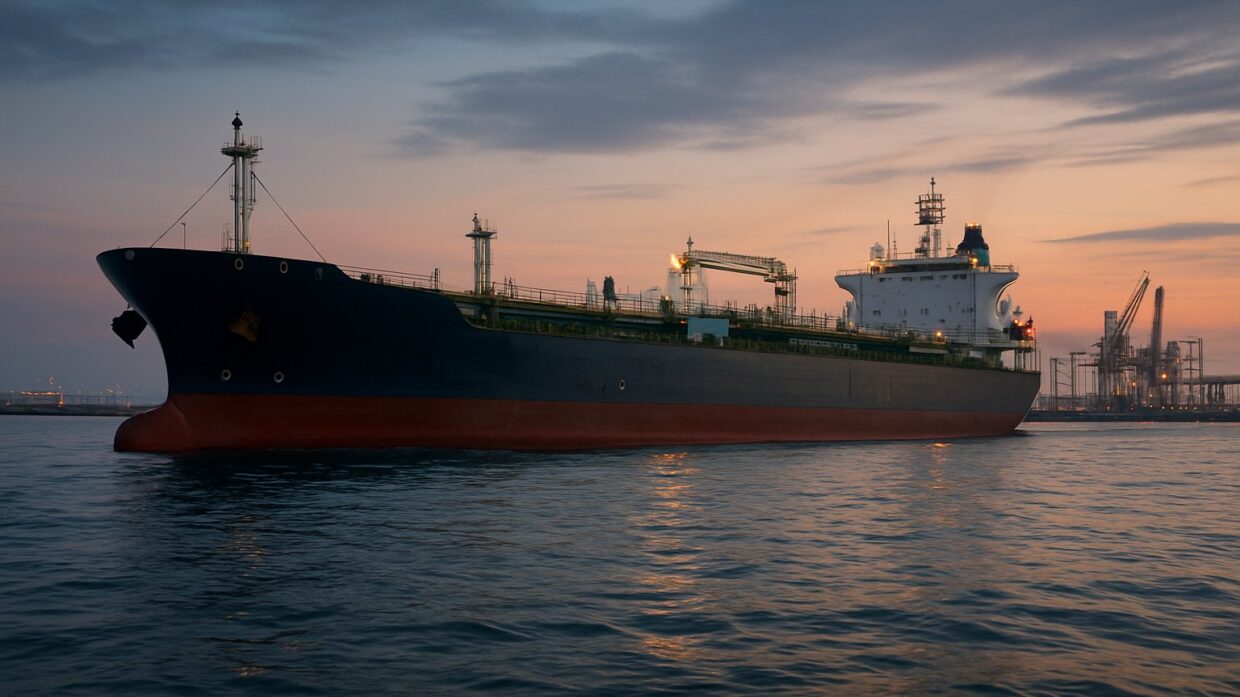
Photo: Well This Is News
Trump gifts Putin sanctions relief amid Ukraine war, angering Zelenskyy and allies
Trump secures Russian diesel to combat soaring fuel prices ahead of midterms
Trump lifts sanctions, agrees Russia will supply diesel to US and global markets
Key Takeaways
- The White House did not disclose which specific sanctions were lifted, whether the agreement is temporary or permanent, or what enforcement mechanisms exist.
- The 300,000-ton diesel supply may be too small to materially move US fuel prices, raising questions about whether the political cost justified the economic benefit.
- No reporting establishes whether Trump consulted Ukraine, NATO allies, or Congress before announcing the policy, leaving a significant gap in understanding the diplomatic process.
The Analysis
Trump announced Friday that Russia would supply over 300,000 tons of diesel to US and global markets, with the White House lifting certain sanctions as part of the arrangement. The agreement came days before midterm elections. What the reporting does not establish is which specific sanctions were lifted, the duration of the arrangement, or whether the supply volumes would materially affect global diesel prices.
The left framing, advanced by The Guardian and echoed across progressive outlets, uses the phrase "gift to Putin" and emphasizes the timing during active Ukrainian conflict. This language serves a specific narrative function: it collapses the economic rationale into a geopolitical betrayal. The Guardian's headline calls Zelenskyy "furious," centering his reaction rather than the administration's stated rationale. What this framing leaves out is the actual economic circumstance: diesel prices had risen significantly, affecting transportation and heating costs across the US economy. The coverage does not explain what Trump's alternative energy policy was or whether other mechanisms existed to lower prices before November.
The right framing, found in MarketWatch and Bloomberg, emphasizes the pragmatic calculation. Trump is portrayed as working with Russia on "mutually beneficial economic interests." MarketWatch notes the supply "may be too little, too late," suggesting even pro-administration analysts questioned the policy's efficacy on its own terms. This framing shifts focus to the political timing and economic mechanism rather than the diplomatic cost. What this side underplays is the explicit security commitment the US maintained to Ukraine and NATO through energy sanctions. Bloomberg notes Trump "upends years of sanctions," but does not explore what those sanctions were designed to prevent or what lifting them signals to other adversaries.
What neither framing adequately addresses is the sanctions architecture itself. The reporting does not name which sanctions Trump lifted or when they were imposed. It does not explain whether these were primary sanctions (on Russia directly) or secondary sanctions (on countries trading with Russia). Diesel sanctions specifically emerged after 2022 as part of the response to Ukraine invasion. That history matters because it establishes that lifting them represents a departure from a stated allied position, not a minor technical adjustment. Bloomberg mentions "years of sanctions" but does not connect that to the specific policy framework.
The reporting also leaves unclear whether this was a temporary emergency measure or a permanent policy shift. The administration's framing emphasizes immediate supply needs; the left framing treats it as a strategic realignment. Neither side forensically establishes the deal's actual duration or enforcement mechanisms. MarketWatch's skepticism about volume effectiveness suggests the supply increase may not have generated the political benefit Trump sought, but the reporting does not confirm whether the agreement proceeded as announced.
The timing before midterms appears in every account but serves different narrative functions: for the left, it demonstrates political calculation overriding security; for the right, it demonstrates Trump's responsiveness to economic conditions; for neutral sources, it is simply stated fact. What remains undisclosed is whether Trump consulted with Ukrainian leadership, European allies, or Congress before announcing the policy. The absence of that information from all accounts suggests it was not sought or disclosed.
Lifting sanctions to restart Russian diesel exports fundamentally reshapes how the US enforces its energy isolation of Russia, a strategy central to constraining Moscow's war funding since 2022. If this arrangement persists beyond the immediate pre-election window, it signals to other authoritarian states that US sanctions regimes are negotiable under domestic political pressure rather than locked enforcement mechanisms tied to strategic objectives. The actual volume of Russian diesel entering global markets will determine whether this provides meaningful economic relief or becomes a political concession without material benefit. Either outcome damages allied credibility in future sanctions architecture, since European and NATO partners must now evaluate whether joining US-led economic pressure requires calculating the risk that Washington withdraws it for domestic electoral advantage. The specific sanctions lifted and their duration remain unreported details that determine whether this is emergency pragmatism or strategic reversal.