Photo: Well This Is News
Tech Company Gets Massive Defense Contract as Trump Bypasses Traditional Shipbuilders
Trump Taps Silicon Valley to Break Submarine Production Bottleneck With $6.6B Deal
Anduril to Build $3.7B Maryland Submarine Facility With US Navy Backing
Key Takeaways
- The Navy has documented capacity shortfalls in Virginia-class submarine production for over a decade across both Democratic and Republican administrations, indicating the bottleneck predates this deal and reflects deeper structural economics of submarine manufacturing.
- The specific terms of the roughly $2.9 billion in federal support, construction timeline, and production ramp assumptions remain unreported, leaving major contingency questions unanswered if Anduril faces delays or discovers its manufacturing models incompatible with Navy specifications.
- This arrangement represents a policy choice to expand production through a new entrant rather than pursue modernization of existing yards, creating simultaneous benefits for Anduril and fresh risks for the Navy while leaving traditional shipyards capacity-constrained.
The Analysis
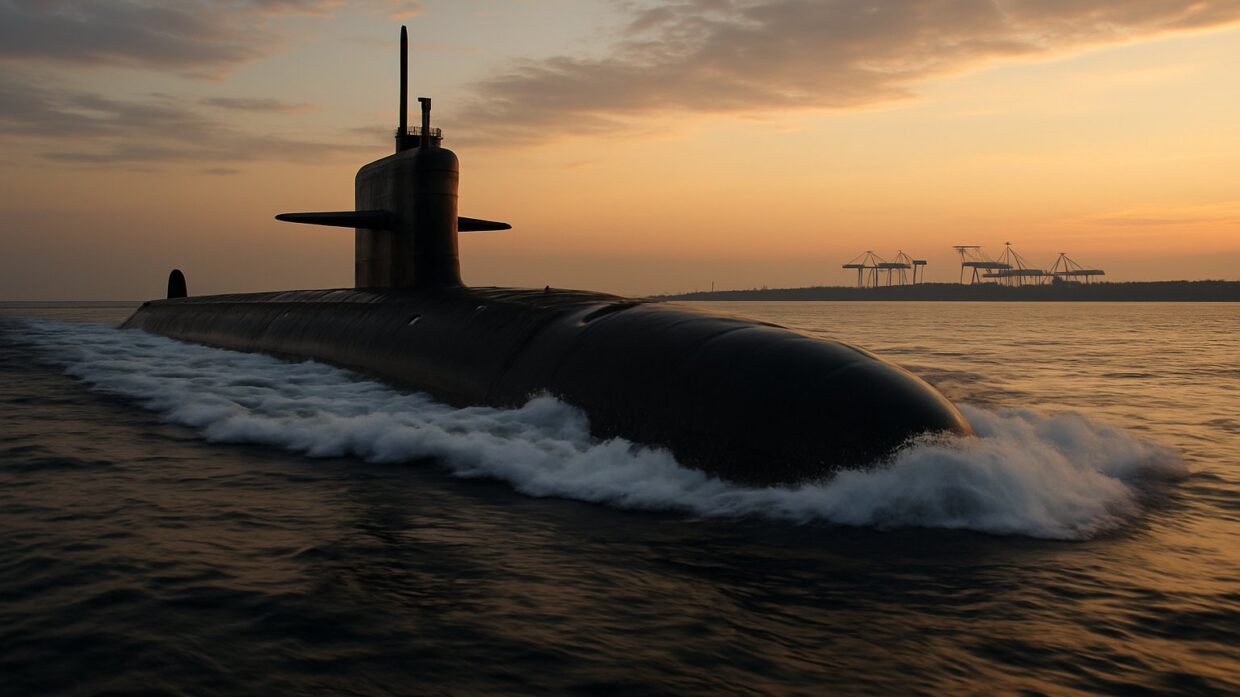
The Anduril submarine facility represents a stated response to a genuine capacity problem: the US Navy's Virginia-class submarine production has operated below required levels for years, with existing shipyards at Newport News and Groton unable to meet both attack submarine and ballistic missile submarine construction schedules simultaneously. The $3.7 billion Anduril investment and accompanying $6.6 billion federal commitment target this documented shortfall directly.
Right-leaning coverage frames this as Trump administration decisiveness and innovation. Fox News emphasizes that Anduril will "break Virginia-class submarine bottlenecks" and positions the deal as an example of leveraging "emerging tech" to solve entrenched problems. The Daily Wire reports the announcement as Trump "beefing up" the Navy's submarine fleet. This framing emphasizes speed, private sector investment, and the notion that traditional defense contractors have underperformed on capacity. What this language leaves unexamined is Anduril's lack of shipbuilding history and the institutional knowledge embedded in established yards.
No major left-leaning outlets covered this story in the available sources, creating an analytical gap. However, questions that typically animate progressive scrutiny of defense contracting remain unconsidered: oversight mechanisms for rapid facility construction, labor standards at greenfield shipyards, and whether existing contractors were given adequate opportunity to expand capacity before diversion to a newcomer. Bloomberg's coverage, positioned as neutral, notes Anduril's background in "drones and autonomous aircraft" without evaluating whether those competencies translate to submarine manufacturing, which involves vastly different regulatory requirements, quality assurance protocols, and supply chain complexity.
What neither framing addresses is the institutional history that explains this moment. Virginia-class submarine production has faced capacity constraints for over a decade, documented in Government Accountability Office reports and Congressional testimony from Navy leadership. Both Democratic and Republican administrations have struggled with solutions. Established shipyards cite labor shortages, supply chain bottlenecks, and the capital intensity of facility modernization as constraints. The question Anduril's entry raises but neither coverage examines: is the bottleneck actually capacity shortage, or is it the underlying economics of submarine manufacturing itself, which Anduril's $3.7 billion may prove insufficient to overcome?
The deal's structure also merits scrutiny absent from these accounts. Federal support totals roughly $2.9 billion (the $6.6 billion minus Anduril's stated $3.7 billion). The specific terms of that federal commitment, the facility's projected timeline, and production ramp assumptions remain unclear from the available reporting. Neither source identifies contingencies if construction delays occur or if Anduril's manufacturing models prove incompatible with Navy specifications.
What this arrangement actually signals is a policy choice to route submarine production expansion through a technology company rather than pursue radical modernization of existing yards. That choice has tradeoffs neither coverage fully articulates: Anduril gains market entry and federal capital, traditional shipyards remain capacity-constrained, and the Navy assumes risk on an unproven production platform.
Anduril's Maryland facility bypasses the hard problem of modernizing existing shipyards, concentrating submarine production risk on a company with no manufacturing history in the sector. If the startup fails to meet production timelines or encounters quality control issues unique to submarine construction, the Navy faces years of delays without the redundancy a strengthened Newport News or Groton would provide. The federal government has essentially bet $2.9 billion that a drone maker can solve structural economic problems that have constrained submarine output for over a decade, when those problems stem from labor shortages and supply chain complexity no new facility automatically resolves. This precedent invites future bypasses of proven contractors, eroding institutional capacity while creating dependencies on private firms with no obligation to maintain capability during downturns.