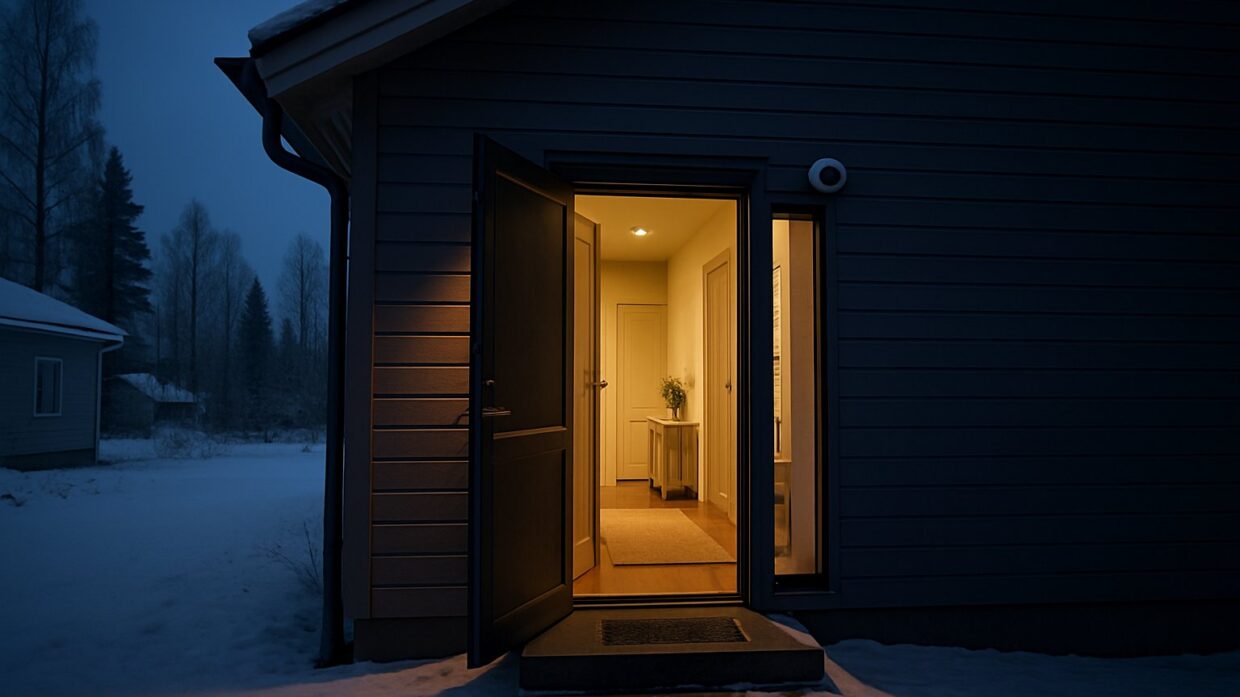
Photo: Well This Is News
Finnish PM Warns Foreign Powers May Be Behind Coordinated Break-Ins at MPs' Homes
Finland Probes Mysterious Intrusions Into Lawmakers' Residences Amid Security Concerns
Finland Investigating Suspected Break-Ins at Lawmakers' Homes as Foreign Interference Suspected
Key Takeaways
- Nothing was stolen in any of the suspected break-ins at lawmakers' homes, which suggests the intrusions were designed for surveillance or information gathering rather than ordinary robbery.
- The Prime Minister publicly stated a foreign power could be responsible without disclosing what specific evidence investigators have found or what entry methods were used in the intrusions.
- Finland's recent NATO membership and 830-mile border with Russia create a security environment where foreign interference claims become plausible but also potentially susceptible to threat inflation without verified evidence.
The Analysis
Finnish police are investigating a pattern of suspected break-ins at lawmakers' homes over the past year in which nothing was stolen, with Prime Minister Petteri Orpo publicly stating that a foreign power could be responsible. The basic facts are sparse: multiple parliament members reported unlawful access to their residences across what authorities describe as a "considerable" number of cases, yet no theft occurred in any of the incidents. This detail matters because it immediately distinguishes these intrusions from ordinary burglary, suggesting instead reconnaissance, surveillance access, or the gathering of information.
Orpo's statement naming a foreign power as a potential actor does two things simultaneously. It frames the incidents as a national security matter rather than a localized crime problem, and it does so without naming which country or providing evidence linking specific nations to the break-ins. The language choice is significant: "could be responsible" leaves open multiple possibilities while the public attention goes to the most serious interpretation. The left-oriented framing, as represented by The Guardian's emphasis on Orpo's statement, front-loads the foreign interference angle and treats the PM's speculation as newsworthy disclosure rather than unverified allegation. This framing serves a narrative function: it elevates the story from a domestic crime matter to an international security incident.
The right-oriented framing, visible in Bloomberg's more procedural language about Finland launching a "probe" into "suspected intrusions," maintains a more cautious register. Bloomberg emphasizes what authorities are doing to investigate rather than what they suspect. The phrase "unlawfully accessed" is more neutral than "break-in," and the emphasis on process rather than speculation creates distance between reporting and speculation. This approach does not dismiss the seriousness of the incidents but decouples them from unsupported claims about foreign involvement.
What neither side fully addresses is the absence of specificity about the actual scope of these incidents or their methods. How many homes were involved? Over what timeframe? What evidence of unauthorized access exists if nothing was stolen? Were security systems tampered with, locks forced, or entry detected through other means? Were any documents photographed or moved? The fact that nothing was stolen suggests either incomplete surveillance or a specific intelligence-gathering objective. Neither news account establishes whether investigators have identified entry methods, recovered physical evidence, or found digital indicators of surveillance. Without these details, the foreign-interference frame rests on speculation.
The historical context that both framings leave in the background is Finland's recent security posture shift. Finland joined NATO in 2023, ending decades of military non-alignment. That decision occurred amid Russian aggression in Ukraine and increased NATO presence along Russian borders. Finland shares an 830-mile border with Russia. In that context, suspicions about foreign intelligence operations targeting lawmakers become plausible, but they also become susceptible to threat inflation. The timing of Orpo's public statement about foreign involvement, without disclosed evidence, occurs in a security environment where the foreign threat narrative already shapes Finnish political discourse.
What the available reporting does not establish is whether Finnish intelligence has identified specific indicators pointing to foreign involvement, whether traditional suspects have been ruled out, or whether this pattern fits known intelligence tradecraft. The public record shows only that authorities are investigating and that the Prime Minister has suggested a foreign power could be responsible. That suggestion and the investigation itself are now the news, which is precisely what makes careful framing essential.
Finland's investigation into break-ins at lawmakers' homes carries consequences for NATO's internal security posture and intelligence-sharing protocols. If foreign surveillance targeting parliament members is confirmed, Finland will face pressure to strengthen counterintelligence operations and may restrict what classified information circulates among elected officials, directly affecting how NATO members coordinate defense strategy along the Russian border. The absence of stolen items suggests intelligence gathering rather than theft, meaning if a foreign actor is responsible, they accessed sensitive information or gained knowledge of security vulnerabilities within Finland's democratic institutions. Prime Minister Orpo's public statement without disclosed evidence simultaneously signals vigilance to NATO allies and potentially inflames threat perception among Finnish citizens, shaping how the country allocates security resources and how it conducts its relationship with neighboring Russia. The investigation's outcome will either validate concerns about Russian or other foreign intelligence operations in Nordic states, reshaping threat assessment across the region, or reveal that framing speculation as national security disclosure created institutional responses to a domestic