Photo: Well This Is News
Police Use Riot Control Against French Students as Energy Crisis Deepens
US Pressures France and Germany on Fuel Reserves While Unrest Spreads
French High School Protests Escalate Amid Diesel Stock Standoff Between US, EU Officials
Key Takeaways
- The high school protests may be unrelated to fuel policy entirely, but reporting has not established what the students were actually demanding or why they took to the streets.
- The US privately threatened France and Germany with export bans to force diesel stock releases, but the reporting does not reveal whether this threat is credible or what legal basis the US claims for it.
- EU nations were already discussing fuel reserve releases before the US intervened, but the exact timeline of who acted first and in response to what remains unreported.
The Analysis
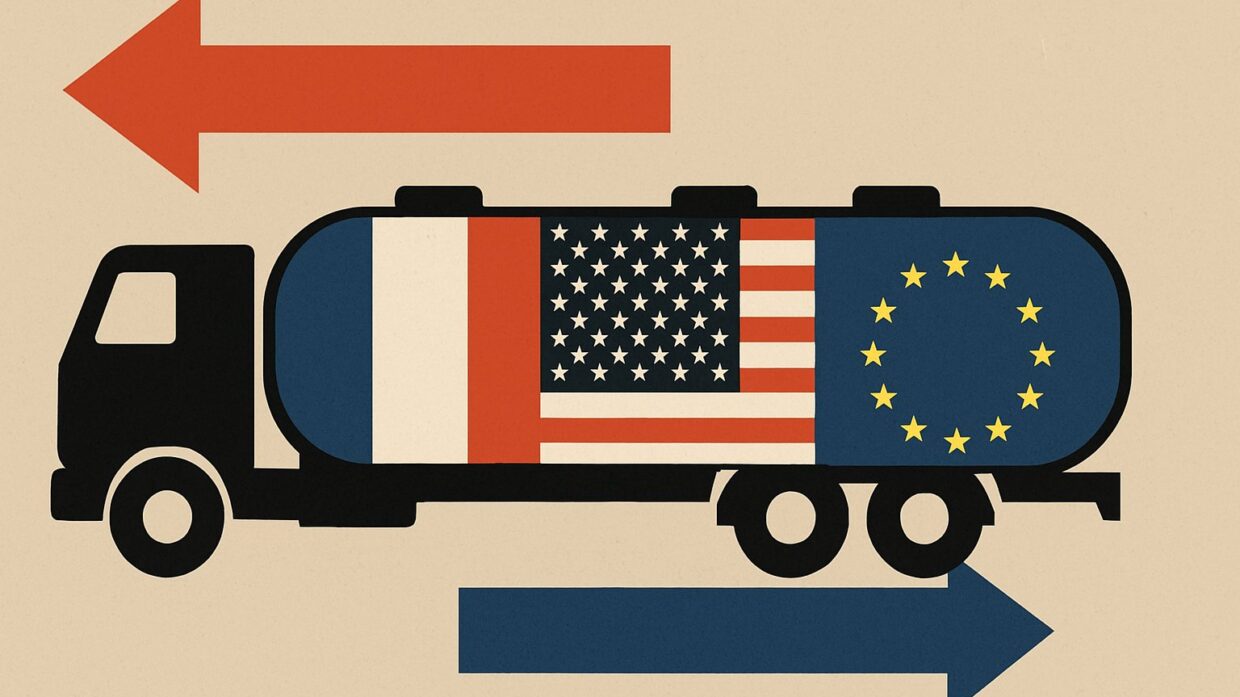
French high school protests have escalated into a broader diplomatic crisis involving the US, EU, and strategic energy reserves, but the available reporting conflates two distinct stories without establishing how they connect. The Guardian reports dozens of injuries from both thrown objects and what it terms "suspected cases" of police riot-control projectiles, while Investing.com breaks that the US has privately threatened France and Germany with export bans if they do not release diesel stocks. What neither source establishes is whether the protests themselves were triggered by fuel shortages, by US pressure on reserves, or by some other domestic grievance entirely.
The specific facts on the ground: The Guardian documents injuries from protest violence but does not name the protest's stated demands or originating cause. It confirms that EU Commission, France, Italy, Ireland, and Britain are in active discussion about releasing diesel reserves, but does not report the terms or timeline of those discussions. Investing.com's exclusive reporting names the US as the actor making demands, specifies the threat as "export ban," and identifies France and Germany as the targets, but does not establish whether the high school protests are a consequence of the fuel shortage the US is leveraging, a cause of political pressure that prompted the US demand, or entirely separate.
The left framing emphasizes police violence and the humanitarian cost of unrest, using the phrase "suspected cases" of riot-control injuries to suggest official responsibility without requiring proof. This framing leaves out what the underlying dispute between EU nations and the US concerns, who initiated the demand for fuel release, and what the students were protesting. The effect is to shift focus away from energy security and US leverage toward police conduct and student suffering.
The right framing emphasizes US leverage and the pressure being applied to European allies, casting the demand as a necessary enforcement of compliance. This framing leaves out whether the threat is credible, whether France and Germany have grounds to refuse, and whether the high school unrest is connected to fuel policy at all or is driven by some other cause. The effect is to frame the US move as a rational response to a crisis rather than as an assertion of power over allied nations.
What neither side fully captures is the underlying timeline. When did the high school protests begin? When did EU nations first discuss releasing reserves? When did the US communicate its threat? The available reporting does not establish the causal sequence, making it impossible to assess whether the protests are driving fuel concerns or whether fuel scarcity is triggering student unrest. The EU was already coordinating on reserves before the US intervened according to the Guardian, but the exact sequence of events and the specific demands each actor is making remain unclear in the published record.
France's decision on diesel reserves will reshape how the US enforces energy leverage over NATO allies during supply crises. If France capitulates to the export ban threat, it establishes a precedent that Washington can bypass EU collective decision-making by threatening individual members with trade retaliation, fundamentally altering the bloc's internal negotiating dynamics. If France refuses, the US demonstrates willingness to weaponize export restrictions against partners, forcing Europe to accelerate strategic energy independence and potentially fracturing transatlantic coordination on future crises. The high school protests become a pressure point in this calculation, whether fuel scarcity triggers unrest or whether student mobilization constrains political options for compliance. Either outcome reshapes how allied governments manage domestic dissent when external powers demand resource concessions during shortages.