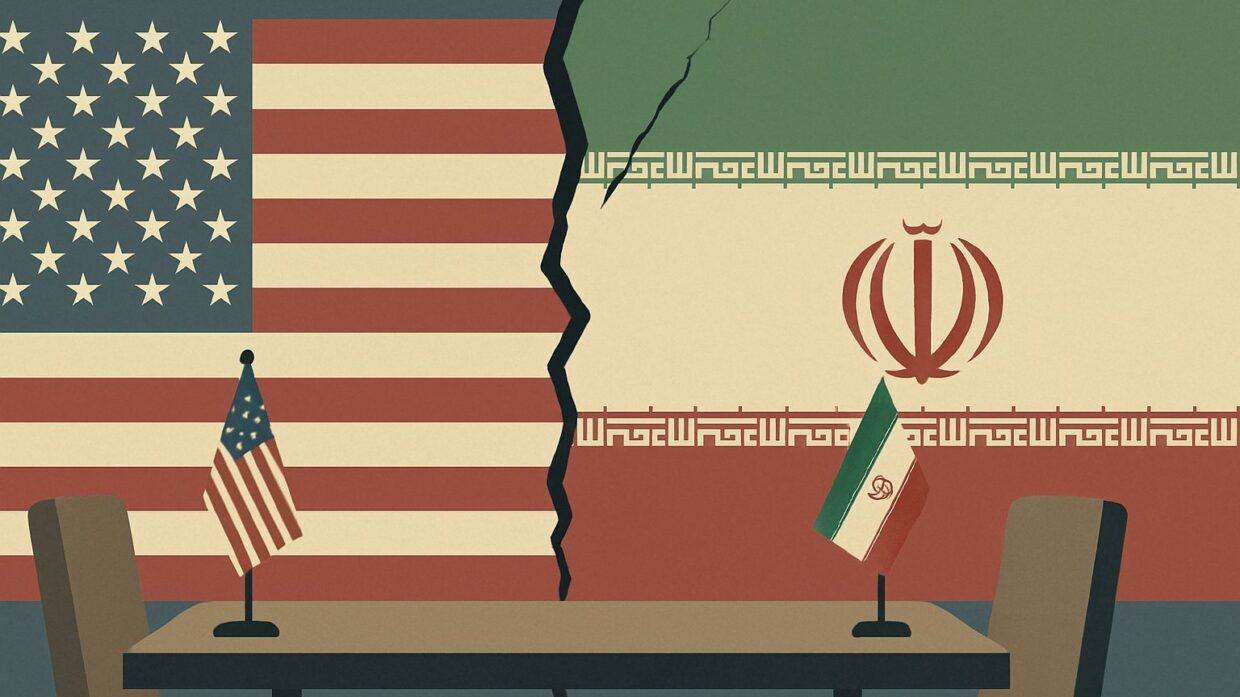
Photo: Well This Is News
Trump Erupts on GOP Senator Opposing Iran Peace Negotiations
Trump Confronts Senate Critics, Republicans Back His Iran Strategy
Trump, Senate Republican Clash Over Iran Deal in Closed Meeting
Key Takeaways
- No one, including news outlets from either side, actually reported what Trump and Cassidy said to each other or what specific terms of the Iran deal provoked the disagreement.
- The Iran peace deal itself remains unexplained in coverage of the shouting match, leaving readers unable to judge whether the diplomatic proposal was a breakthrough, a capitulation, or a routine adjustment to existing policy.
- The confrontation raised questions that went unanswered: whether Trump's shouting changed any Republican votes, whether other senators sided with Cassidy's concerns, or whether the meeting reflected genuine policy disagreement or internal theater.
The Analysis
Trump and Senator Bill Cassidy had a shouting match during a closed Republican caucus meeting over a preliminary Iran peace deal, according to reports from NBC News and Fox News. What neither outlet fully addresses is what the shouting was actually about, the specific terms under dispute, or whether the confrontation changed the substance of Iran negotiations or merely reflected existing factional divisions.
The documented facts are minimal. Cassidy, a Louisiana Republican and consistent Trump critic on spending and healthcare, confronted the president during what NBC News describes as a "heated exchange." Neither the left nor right sources disclose what Trump and Cassidy actually said to each other, beyond Cassidy's later recollection to HuffPost that he recalled Trump not caring for his comments. The meeting was closed to media, so the framing of the confrontation comes from participants' subsequent accounts. Fox News reports that Trump "named names," suggesting he called out specific senators, but does not name which senators or what he said about them. NBC News uses the word "shouting match," but does not establish who initiated the raised voices or whether the exchange escalated into personal attacks or remained focused on policy disagreement.
The left framing, used by NBC and HuffPost, emphasizes Trump's intolerance for dissent. The language choices are telling: "shouting match," "heated exchange," "testy Capitol Hill meeting." This framing suggests Trump lost control and that a Republican senator found courage to challenge him. What this framing leaves out is whether Cassidy's objections changed any votes, whether other Republicans supported Cassidy's position, or whether the disagreement involved substantive policy concerns or factional positioning. It also does not explain what the Iran deal actually proposes or why Cassidy opposed it.
The right framing, used by Fox News, inverts the narrative. The headline "Closed-door outburst turns into victory for Trump's Iran negotiations" redefines the confrontation as vindication rather than conflict. Fox emphasizes the legislative outcome: Senate Republicans rejected the Democratic war powers resolution, supporting Trump's negotiating authority. The language shifts from "erupted" to "confronted," from loss-of-control to standing-firm. This framing treats the shouting match as a moment of necessary clarity rather than dysfunction. What it leaves out is whether Trump's confrontation with Cassidy was strategically effective or simply vented frustration, and whether the Republican vote would have differed without the meeting.
What neither side engages is the substance of the Iran negotiations themselves. The sources do not explain what preliminary peace deal Trump proposed, what it would require Iran to do, what sanctions it would lift, or why Cassidy and others opposed it. Neither left nor right outlets cite independent analysis of the deal's terms. The confrontation becomes the story instead of the policy, which serves both sides: the left gets to focus on Trump's temperament, the right gets to focus on his political strength. A reader following only these accounts would not know whether the Iran deal represented a major diplomatic breakthrough, a dangerous capitulation, or a marginal adjustment to existing policy. Neither side establishes that context.
The underlying question is whether the shouting match reflected genuine disagreement on Iran policy or performed theater for internal GOP consumption. The public record does not establish that distinction. What the sequence does show is that Trump faced sufficient Republican skepticism about Iran negotiations to require a closed meeting to address it, and that the response was confrontation rather than persuasion. Whether that made the Iran diplomacy stronger or merely louder remains unclear.
Republicans will now evaluate Iran negotiations based on Trump's ability to enforce party discipline rather than on the deal's actual terms. By allowing a personality clash to dominate coverage instead of debating what sanctions would be lifted, what verification mechanisms would exist, or whether the agreement serves American security interests, both parties have abandoned scrutiny of the substance. The closed meeting revealed that Trump's negotiating authority faces internal opposition significant enough to require confrontation, yet neither the media nor the senators involved disclosed whether that opposition stems from legitimate policy concerns or factional positioning. Future Iran negotiations will proceed with senators and the public unable to distinguish between Trump's strategic choices and his temperamental reactions, ensuring that congressional oversight becomes a test of loyalty rather than a test of policy merit.