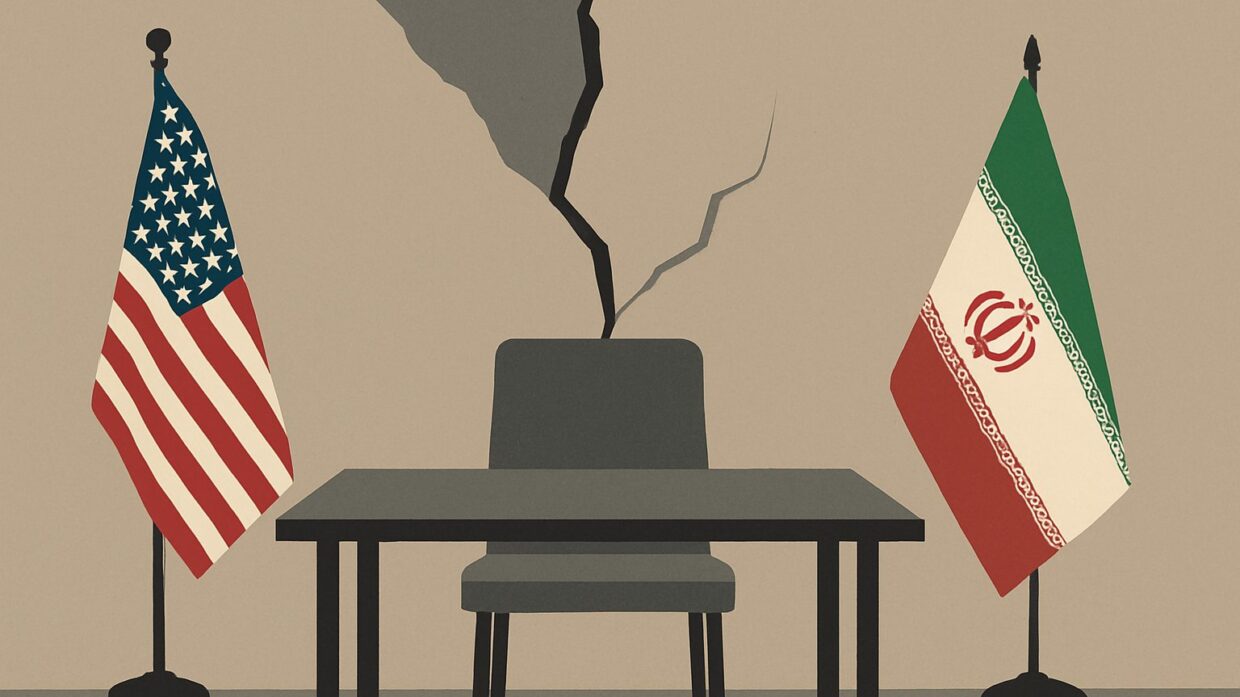
Photo: Well This Is News
Trump inches toward Iran deal while GOP hawks warn of disaster
Trump pursues Iran peace deal explicitly rejecting Obama-era nuclear framework
Trump administration nears Iran peace deal as Republicans split over terms
Key Takeaways
- Neither the left nor right reporting disclosed the specific terms, enforcement mechanisms, verification procedures, or sanctions details of the emerging Iran agreement, leaving readers unable to evaluate the deal's actual content.
- Trump contradicted himself by claiming Saturday the deal was largely negotiated while stating Sunday he would not rush the process, and the White House timeline of several more days of Iranian leadership review contradicts both statements.
- The political coverage focused on American partisan reaction to an Iran agreement rather than addressing what the agreement actually contains, meaning readers know Trump says it differs from Obama's deal and that Republicans are divided, but not what either side actually agreed to.
The Analysis
Trump's emerging Iran peace agreement reveals a fundamental tension in how the two major political frames describe the same negotiation: the left emphasizes Republican internal conflict and warns of potential diplomatic failure, the right contrasts the deal against Obama's nuclear framework, and neither adequately addresses what the reported agreement actually contains or how it differs substantively from either predecessor.
The documented facts establish this much: Trump said Sunday he would not rush into a deal with Iran after what he described Saturday as a plan that was largely negotiated. The White House told Axios the process could take several days pending approval from Iran's leadership, including Supreme Leader Mojtaba Khamenei. Senior Republican lawmakers, named in reports as including figures like Senator Ted Cruz and Senator Lindsey Graham, warned the deal could be a disastrous mistake. Trump explicitly stated his agreement would be the exact opposite of the Obama-era Iran Nuclear Deal and would prevent Iran from developing nuclear weapons. The reporting does not disclose the specific terms under negotiation, the enforcement mechanisms, or what concessions each side made.
The left frame, as articulated by The Guardian and Mother Jones, emphasizes Republican infighting and frames Trump as defending himself against his own party. The language choice matters here: The Guardian reported Trump appeared on the verge of agreeing a deal and that he was defending himself, casting the story as internal GOP conflict rather than substantive policy dispute. This framing leaves out what the actual terms are and whether the Republican criticism is rooted in specific objections to those terms or in ideological opposition to any Iran diplomacy. The Guardian headline states Iran's leader and security council still need to approve the deal, but does not explain why that approval timeline is newsworthy or what conditions must be met.
The right frame, as articulated by the Washington Examiner, emphasizes Trump's explicit rejection of the Obama deal and his stated nuclear safeguards. The language here is contrastive and comparative: Trump said his deal would be the exact opposite of Obama's framework. This framing leaves out the specific GOP objections by name and does not address whether Republican hardliners actually support the emerging deal or continue to oppose it. The Examiner quotes Trump's assurance that Iran cannot develop nuclear weapons, but does not report on verification mechanisms, sunset provisions, or how enforcement would work.
What neither side fully captures is that the reporting does not establish what the agreement actually is. Readers know Trump says it is different from Obama's deal and that it addresses nuclear weapons. Readers also know some Republicans oppose it. But the public record as reflected in these sources does not disclose the structure of the agreement, whether it addresses conventional weapons or only nuclear ones, what sanctions relief if any would be provided, whether inspections are included, or on what timeline implementation would occur. This absence is not accidental reporting failure. It reflects that as of these articles' publication, the deal may not have been finalized enough to report specific terms.
The underlying question this raises is whether the political frames are premature. Trump said Sunday he would not rush, which contradicts his Saturday claim that the deal was largely negotiated. The White House indicated several days remained for Iranian approval. Yet the reporting from both left and right treats the agreement as substantially settled and focuses instead on American political reaction to it.
The most honest headline would read: Trump says Iran peace deal is substantially negotiated but not finalized; specific terms remain undisclosed as GOP splits on whether diplomacy serves American interests.
A premature political consensus is forming around a deal whose actual contents remain unknown. Trump's insistence that his framework differs fundamentally from Obama's Iran Nuclear Deal cannot be evaluated without knowing what enforcement mechanisms, sanctions relief, inspection protocols, or sunset provisions are actually proposed. Republican divisions cited in coverage appear ideological rather than substantive since the reporting discloses no specific terms that senators like Ted Cruz could be objecting to. This gap between political reaction and disclosed substance will calcify into partisan talking points once the agreement is finalized, making genuine public deliberation about whether the deal serves American security interests nearly impossible. The institutional damage occurs now, in these early reporting cycles, when frames harden before facts exist.