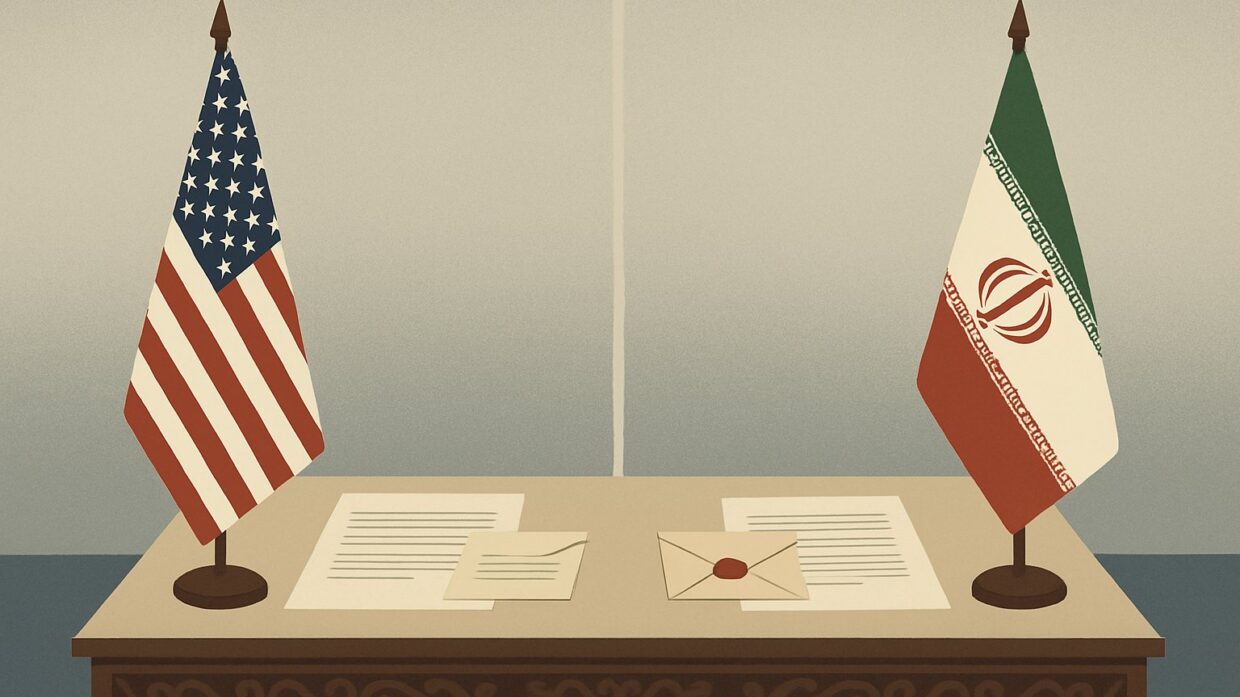
Photo: Well This Is News
Trump threatens to resume bombing Iran as critics demand full details of secretive deal
Trump secures Iran agreement; Republicans seek specifics before endorsement
Trump announces Iran deal outline at G7, details withheld from Congress and public
Key Takeaways
- Trump's new Iran agreement represents a sharp reversal of his own 2018 withdrawal from the nuclear deal and maximum pressure campaign, a policy flip that neither side has prominently acknowledged.
- Vice President Vance confirmed that 'specifics are to be worked out,' meaning Trump announced a framework agreement rather than a finalized deal, a distinction the reporting has largely obscured.
- The G7 leaders' call for wider talks on Iran's missile program suggests the agreement is narrower than complete resolution, indicating significant negotiations remain before implementation can begin.
The Analysis
Trump has announced an agreement outline with Iran at the G7 summit in France, but has withheld the full terms from both Congress and public disclosure, creating a transparency gap that separates what was negotiated from what the American political system can evaluate. Vice President JD Vance confirmed that "specifics are to be worked out," which is an unusual acknowledgment that a deal framework exists without its operational content being defined.
The available facts establish that the agreement allows Iran to resume oil and fuel sales, addresses Tehran's missile program through wider talks that G7 leaders are calling for, and does not require the United States to contribute to a proposed $300 billion fund for Iran, which Trump rejected explicitly at the summit. Trump has stated the deal is "not final," which creates ambiguity about what exactly was agreed. Republican senators have requested additional information, according to reporting from JD Vance's office, citing "many unanswered questions" about the arrangement.
The left frame emphasizes Trump's threat to "go back to shooting" if Iran "don't behave," treating this as evidence of reckless saber-rattling that undermines the diplomatic achievement. The Guardian's coverage highlights the phrase "inflammatory statements" in connection with Trump's rhetoric, a characterization that reflects editorial judgment about tone rather than substance. This framing leaves out that Trump also backed G7 leaders' calls for broader talks on the missile program, suggesting a conditional rather than unconditional approach to future Iranian behavior.
The right frame treats the agreement as a diplomatic win achieved under Trump's negotiating pressure, with the withholding of details presented as prudent operational security rather than evasion. Republican coverage tends to focus on the achievement of getting Iran to agree to sell oil again, suggesting economic benefit, while requesting specifics before offering full endorsement. This framing leaves out that Republicans' request for details suggests uncertainty about what their own party leader has committed to.
What neither side fully addresses is the specific history that led here. Trump withdrew from the 2015 Iran nuclear deal (JCPOA) in 2018, reimposed sanctions, and pursued a maximum pressure strategy that lasted until 2024. Biden maintained those sanctions. This new agreement represents a significant reversal of Trump's own previous Iran policy, a fact the reporting does not foreground. The other unaddressed question is what "specifics to be worked out" means operationally. A framework agreement differs substantially from a finalized accord, but the coverage does not distinguish between them or explain what remains negotiable.
The core issue is that the American public and Congress are being asked to evaluate a policy outcome whose terms have not been disclosed. Trump's threat language ("go back to shooting") serves a domestic political function, signaling toughness to his base while negotiations continue. The G7 leaders' call for broader talks on missiles suggests the agreement is narrower than complete resolution of US-Iran tensions. A reader left knowing only today's headlines cannot assess whether Trump has achieved a genuine breakthrough or announced a framework that may not survive contact with actual implementation.
Withholding deal specifics from Congress violates the constitutional requirement for legislative oversight of foreign agreements and sets precedent that presidents can announce major policy reversals without public accountability. Trump's 2018 withdrawal from the Iran nuclear deal required no legislative approval, but this new framework directly affects sanctions policy, oil markets, and military posture in the Middle East, all areas where Congress holds statutory authority. Republican senators already demanding details signals that even Trump's party cannot evaluate what their president has committed to, fracturing institutional checks on executive power. The transparency gap ensures that implementation disputes will occur without a shared factual record, making course corrections impossible and guaranteeing that future administrations will face a precedent authorizing diplomatic secrecy at this scale.