Photo: Well This Is News
Trump vows 'VERY HARD' Iran attack during World Cup, promises oil seizure
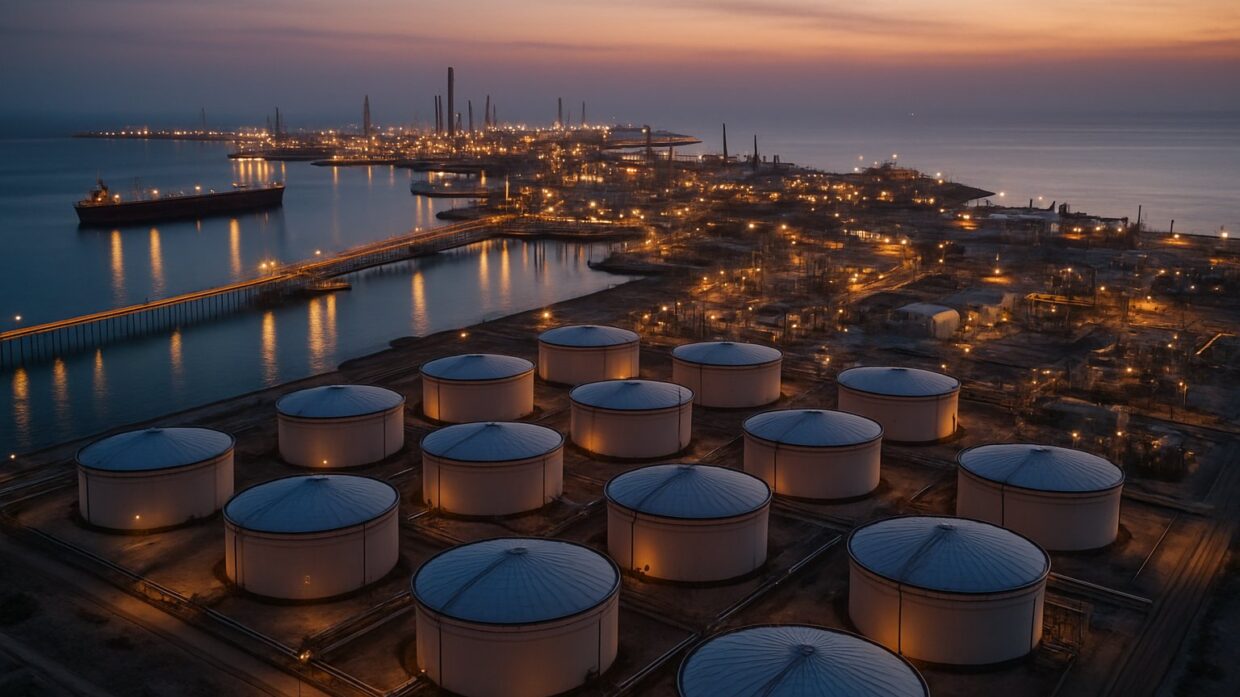
Trump warns Iran: US military poised to seize oil infrastructure including Kharg Island
Trump threatens strikes on Iran and seizure of Kharg Island oil hub
Key Takeaways
- Trump used two different time frames in his statement: 'VERY HARD TONIGHT' for military strikes and 'not too distant future' for seizure of oil assets, but no reporting clarifies whether these were distinct actions or hyperbolic language about the same operation.
- Neither Trump's military advisors nor US diplomatic officials have publicly confirmed, clarified, or distanced themselves from the threat, leaving unclear whether this represents actual military planning or escalatory rhetoric.
- Explicitly threatening to seize foreign sovereign economic assets through military force raises legal questions about US obligations under international law and property rights that neither side has addressed.
The Analysis
Trump posted on Truth Social that the US would strike Iran 'VERY HARD TONIGHT' and would seize control of Iranian oil and gas industries, specifically Kharg Island, the country's main oil export terminal. The statement came after reports of a US helicopter being shot down in the region. What matters here is the distinction between what Trump said he would do immediately and what he described as future action, a gap that matters for evaluating both the credibility of the threat and the mechanisms for executing it.
The documented facts establish that Trump used the phrase 'VERY HARD TONIGHT' in capital letters in the Truth Social post, according to reporting from PBS, The Guardian, Mother Jones, and Breitbart. He separately stated the US would 'assume total control of their oil and gas markets' in the 'not too distant future,' using language that suggests future action rather than imminent seizure. Trump did not specify military tactics, timeline precision, or the legal or operational framework through which such seizure would occur. The statement was made during an active military engagement in which a US helicopter had been shot down, according to multiple sources.
The left framing, exemplified by Mother Jones, emphasizes Trump's use of all-capitals threat language and places the statement in the context of Trump receiving a FIFA Peace Prize, creating a pointed contrast between the award and the military threat. The reporting notes the comparison Trump made to kidnapping Venezuelan President Nicolás Maduro in January, embedding the statement within a pattern of Trump rhetoric about forcibly removing or neutralizing foreign leaders. This framing leaves out what Trump's actual operational capacity to seize and hold Kharg Island would require, and it does not establish whether Trump's previous public threats of this kind have been followed by implementation at the scale described.
The right framing, represented by Breitbart, emphasizes that Trump 'warned' Iran and presents the statement as a credible military threat backed by demonstrated US capability. Breitbart's headline lists Kharg Island alongside other oil infrastructure points, treating the threat as specific and actionable. This framing does not address the temporal ambiguity in Trump's statement, the absence of operational detail, or whether publicly threatening seizure of foreign economic assets through military force creates legal or diplomatic complications for the US government.
What neither framing addresses is a question the reporting does not settle: whether Trump intended the 'VERY HARD TONIGHT' language as a threat of strikes that night, or whether he was using hyperbolic present-tense language about imminent action while the actual seizure was described separately as a future objective. The reporting also does not establish whether US military or diplomatic officials have confirmed or clarified Trump's statement, or whether seizing Kharg Island would require sustained military occupation of Iranian territory. The mechanisms for achieving 'total control' of Iran's oil markets remain unspecified in all reporting. Neither side addresses the sanctions and international law implications of explicitly threatening to seize foreign sovereign assets, or whether this represents a departure from stated US foreign policy on property rights and international boundaries.
The underlying question is whether Trump's statement represents military planning with actionable timelines or whether it represents escalatory rhetoric intended to deter Iranian action without commitment to execution. The public record does not yet establish which.
Seizing a major foreign oil terminal would require sustained military occupation of Iranian sovereign territory, a commitment that transforms this from rhetoric into operational planning with profound consequences for US military readiness, regional stability, and international law precedent. If Trump executes even a scaled-down version of this threat, the US military would need to defend captured infrastructure against counterattacks while managing the geopolitical fallout of explicitly claiming foreign economic assets through force, a departure that could justify similar claims by other powers and destabilize the post-World War II framework prohibiting territorial seizure by military conquest. The statement's temporal ambiguity between immediate strikes and future seizure obscures whether this reflects actual strategic planning or deterrent posturing, but the public commitment itself constrains future US flexibility in negotiating with Iran by raising the cost of backing down.