Photo: Алесь Усцінаў
NATO vows to defend Romania as Russian drone hits apartments during Ukraine attack
Russian drone crashes in Romania; NATO signals readiness amid Ukraine conflict escalation
Russian drone strike on Romania injures two, raises NATO defense questions
Key Takeaways
- NATO has not addressed whether it views accidental Russian drone crashes in Romania differently from intentional Ukrainian air defense missiles that crashed in Poland in 2023, which killed civilians but did not trigger Article 5.
- Rutte's statement about defending Romanian territory uses language treating mechanical failure as deliberate aggression, but the evidence indicates the drone was not aimed at Romania and malfunctioned during transit.
- Neither NATO leadership nor media reporting has examined whether Romania requested additional air defense systems, whether NATO reviewed airspace rules of engagement with Ukraine, or whether the incident changes NATO's operational posture toward Russian drone operations in the region.
The Analysis
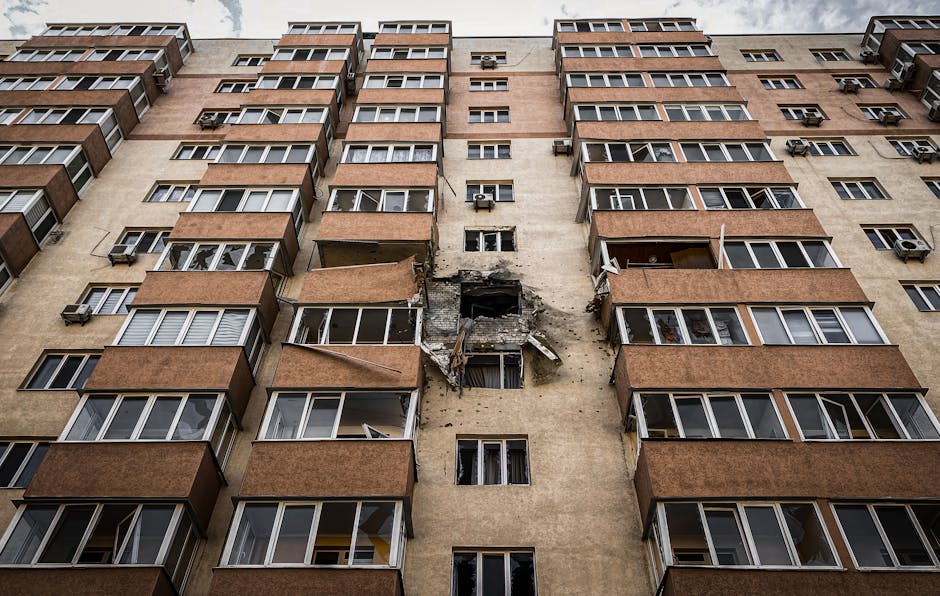
A Russian military drone intended for use against Ukrainian targets crashed into an apartment building in Galati, Romania on May 29, injuring two residents and igniting a fire. Romanian authorities confirmed the incident occurred during a broader Russian attack on Ukraine. NATO Secretary-General Mark Rutte responded by stating the alliance is prepared to defend every inch of Romanian territory and described Russia's action as reckless behavior that endangers the entire alliance. The sequence raises a specific question: what exactly does Rutte's statement commit NATO to, and what distinguishes this incident from scenarios that would actually trigger Article 5?
The Guardian's framing emphasizes NATO's resolve and Rutte's direct condemnation of Russian "reckless behaviour." The headline and accompanying reporting foreground the alliance's readiness to defend and the threat Russia poses to Europe beyond Ukraine. This framing implies that NATO unity is firm and that the alliance will respond decisively if Russia escalates further. The Guardian's language ("reckless behaviour is a danger to us all") treats the drone strike as an act of aggression against NATO itself, even though the available evidence indicates the drone malfunctioned rather than being intentionally directed at Romanian territory. That distinction matters.
NPR's reporting uses more precise language, describing the drone as having "crashed" into the apartment building during an "overnight attack on Ukraine." The framing establishes the drone was launched against Ukraine, not Romania, and that it failed during transit. This version leaves open whether the crash resulted from Ukrainian air defenses, mechanical failure, or navigation error. NPR does not attribute the incident to intentional Russian aggression against Romanian civilians, only to collateral consequences of the ongoing Ukraine conflict. The restraint in language reflects a more measured interpretation of what occurred.
What neither framing adequately addresses is the practical and historical context that makes this incident significant. Romania has been a NATO member since 2004 and sits on the alliance's eastern frontier with Russia. Prior incidents involving munitions straying into NATO territory have been treated with diplomatic protest rather than military escalation. In April 2023, a Ukrainian air defense missile struck Polish territory, killing two civilians; Poland and NATO characterized it as an accident in the course of Ukraine's legitimate self-defense. No Article 5 invocation followed. The question Rutte's statement raises but does not answer is whether a Russian drone strike,intentional or accidental,is treated differently from a Ukrainian one under NATO's mutual defense obligation.
The available evidence suggests the drone was not aimed at Romania. Rutte's invocation of Article 5 readiness appears designed to communicate resolve to Moscow rather than to signal that this specific incident has crossed a military threshold. Yet his language ("reckless behaviour is a danger to us all") risks conflating mechanical failure with deliberate attack. The reporting from both sources leaves unaddressed whether NATO has reviewed its rules of engagement with Ukraine regarding the airspace above Romania, whether Romania has requested additional air defense capabilities, or whether this incident prompts any change in NATO's posture toward Russian drone operations in the region.
What the record establishes is that a drone crashed, two people were injured, and NATO's leadership used the moment to reaffirm alliance cohesion. Whether that cohesion extends to actual military response for an accidental incursion remains, despite Rutte's rhetoric, unclear.
Romania's geography as NATO's eastern frontier means stray munitions are not theoretical risks but recurring incidents requiring consistent policy. When Ukrainian air defense missiles struck Poland in 2023, NATO treated it as acceptable collateral damage in legitimate self-defense without invoking Article 5. Rutte's rhetorical escalation in response to a malfunctioning Russian drone suggests NATO may apply different standards to Russian versus Ukrainian incidents, creating legal and diplomatic ambiguity about what actually triggers mutual defense obligations. If mechanical failure by Russian weapons counts as alliance-threatening aggression while Ukrainian defensive actions do not, NATO has effectively narrowed Article 5's scope in ways that reshape the entire eastern European security architecture and potentially weaken deterrence by signaling that accidental violations carry greater consequences than intentional ones.