Photo: Well This Is News
Trump uses Iran war to push Israeli recognition, complicating fragile peace talks
Trump demands Gulf states recognize Israel as prerequisite for ending Iran conflict
Trump conditions Iran war deal on Gulf states joining Abraham Accords with Israel
Key Takeaways
- Trump has raised and then lowered public expectations about a deal multiple times, while Iran denies any agreement is imminent, suggesting confusion about actual negotiating progress rather than genuine proximity to a settlement.
- Trump may have introduced the Abraham Accords condition mid-process as a way to reset negotiating timelines and shift pressure onto Gulf states after oil prices fell on deal rumors, protecting himself from appearing to lose a negotiation.
- The reporting does not establish whether Trump consulted Gulf state leaders before publicly demanding their Israel recognition, whether they privately signaled openness to the linkage, or whether this condition was part of original negotiating documents or emerged as improvisation.
The Analysis
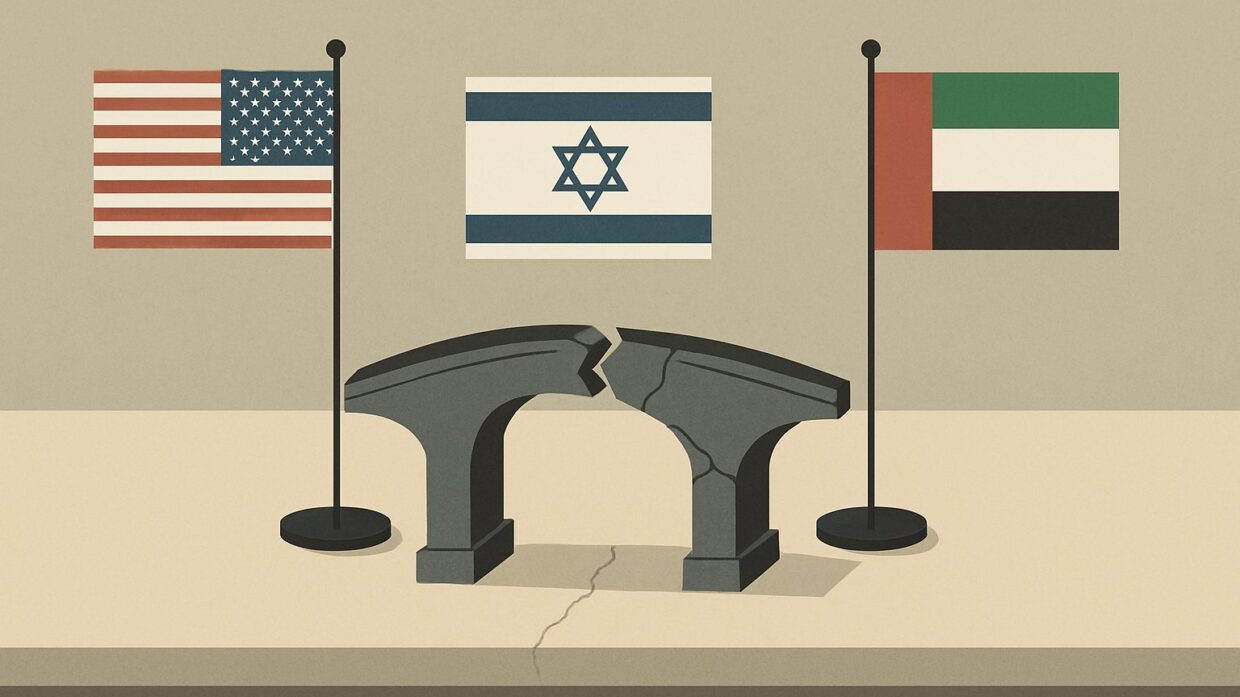
Trump has explicitly tied the resolution of an active war with Iran to a separate geopolitical demand: that Gulf state leaders sign the Abraham Accords recognizing Israel. The Washington Examiner reports Trump used the phrase "mandatorily requesting" when telling leaders of several Gulf states that this recognition should be part of a broader deal. Axios reports Trump made this request during a Saturday conference call with leaders of Arab and Muslim countries. This framing collapses two distinct negotiations into one, which reshapes what success looks like for all parties.
The documented facts establish clear positions. Trump has raised expectations of an imminent deal, then lowered them. The White House told Axios it expects approval could take "several days" for Iran's Supreme Leader Mojtaba Khamenei to weigh in. Iran's formal position, reported across multiple outlets, is that no deal is imminent. Tehran specifically cited "contradictory statements" from the U.S. and what it characterized as "Israeli interference" as obstacles. MarketWatch reported oil prices tumbled on reports the deal was close, suggesting market actors believed near-term progress was plausible, though Trump simultaneously told media "there's no rush."
The Guardian's framing emphasizes that Trump's demand serves Israeli interests and complicates peace. The phrase "shock of Iran war unites Middle East rivals in pushing Trump towards peace" suggests the region itself has tired of conflict and is pressuring Trump toward settlement. That framing leaves out what Trump may view as his leverage: the Abraham Accords have already drawn some Arab states into normalization with Israel, and Trump may believe expanding that coalition strengthens U.S. regional positioning against Iran and reduces Iranian influence. The Guardian's reporting does not foreground whether any Gulf states have privately signaled openness to this linkage.
The Washington Examiner's framing treats Trump's request as a strategic demand that advances U.S. interests and Israeli security simultaneously. By naming his language as "mandatorily requesting," the Examiner emphasizes Trump's assertion of authority in the negotiation. That framing leaves out the political risk: conditioning an Iran deal on Israeli recognition could give Tehran and its allies reason to reject the agreement, or to claim the U.S. was never negotiating in good faith. It also leaves out whether Trump consulted Gulf state leaders before making this demand public.
What neither side fully addresses is whether this linkage was Trump's original design or an improvisation in response to how talks have actually proceeded. The public record does not establish whether the Abraham Accords condition was present in early negotiating documents or emerged mid-process. Nor does the reporting clarify whether Trump's demand reflects internal White House agreement or represents Trump overruling advisors. The record shows Trump raised expectations, then Iran denied imminence, then Trump went public with the Abraham Accords condition. One plausible interpretation is that the condition was designed to reset expectations downward and refocus negotiating pressure on Gulf states rather than exclusively on Iran.
The underlying question is whether this linkage represents genuine negotiating strategy or political theater designed to claim credit for both an Iran deal and expanded Israeli recognition simultaneously. The timing is notable: oil prices fell on deal rumors, which could have cost Trump politically if a deal appeared close but failed. Adding a condition on Gulf state recognition shifts the timeline and redefines what constitutes success, protecting Trump from appearing to have lost a negotiation.
Linking an Iran war deal to Gulf state recognition of Israel fundamentally alters the structure of Middle Eastern diplomacy and creates cascading institutional consequences. If Trump succeeds in making Abraham Accords membership a prerequisite for any settlement with Tehran, he rewrites the baseline expectations for future regional negotiations, forcing all parties to negotiate not bilateral disputes but coalition alignment. Gulf states now face a choice between their own strategic interests and Trump's conditionality, potentially splintering the fragile consensus that war fatigue had created. Iran gains justification to reject any agreement as Western-Israeli diktat rather than good-faith diplomacy, hardening its negotiating position and potentially extending conflict indefinitely. Most critically, Trump transforms what could be a contained bilateral negotiation into leverage over an entire regional order, subordinating Iran policy to Israeli recognition rather than treating each as a separate strategic objective. This precedent means future U.S. agreements will be evaluated not on their standalone merits but on