Photo: Well This Is News
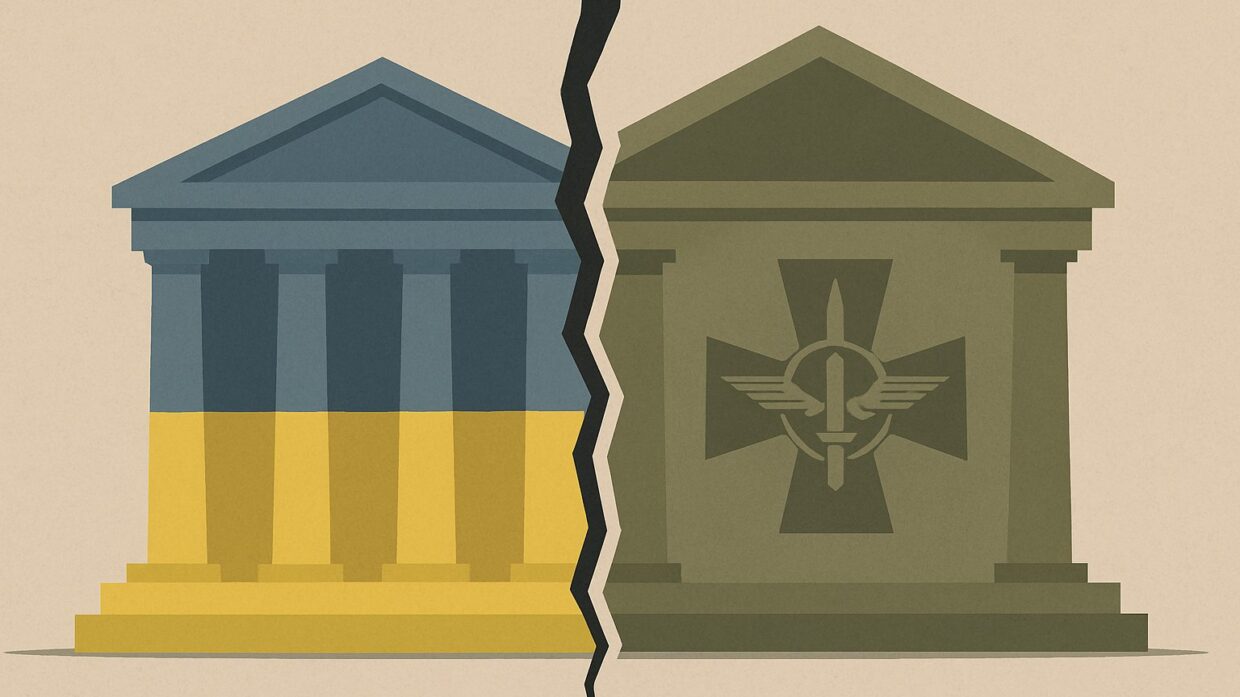
Zelenskyy forced to choose sides as Ukraine's defence ministry and military spiral into public conflict
Zelenskyy removes defence minister in command restructuring as Ukraine faces military coordination crisis
Zelenskyy sacks defence minister Fedorov amid military-ministry breakdown
Key Takeaways
- The specific policies or operational decisions that triggered the ministry-military conflict remain undisclosed, leaving open whether this was an isolated personality clash or a symptom of systemic organisational problems.
- Neither Fedorov's removal nor the public announcement clarifies whether the underlying institutional tension has been resolved or merely hidden by removing one actor from a deeper structural misalignment.
- The timing of this dismissal during a foreign leader's visit suggests it served a dual purpose: resolving a genuine operational problem while simultaneously communicating stability to international partners who fund Ukraine's war effort.
The Analysis
Zelenskyy's dismissal of Defence Minister Mykhailo Fedorov on July 16, 2026, marks a high-stakes personnel move that reveals institutional fracture at the operational centre of Ukraine's war effort. The president publicly stated he was forced to choose between the defence ministry and military leadership after relations deteriorated to the point where coordinated governance became functionally impossible. What makes this significant is not the removal itself, but what the public nature of the conflict suggests about command coherence during active military operations.
The evidence establishes that a breakdown occurred between two essential institutions: the defence ministry, typically responsible for procurement, policy, and strategic planning, and the military command structure, responsible for operational execution. Zelenskyy's framing emphasises choice rather than correction, suggesting this was not a performance issue with a single individual but a structural incompatibility. The timing coincided with UK Prime Minister Keir Starmer's final visit to Ukraine as PM, making the dismissal unavoidably visible to Western allies precisely when Zelenskyy was consolidating international support.
The left framing emphasises institutional dysfunction and internal conflict at a moment when Ukraine faces existential military pressure from Russia. This reading treats the public dispute as evidence of deeper problems in war leadership and raises questions about whether competing power centres are compromising military effectiveness. The language focuses on crisis, breakdown, and the dangers of divided command during wartime. This frame leaves out the possibility that institutional conflict, while visible, may reflect normal democratic tension over resources, strategy, or authority rather than a failure of coordination.
The right framing treats the sacking as a necessary correction to restore clarity of command. This reading emphasises Zelenskyy's decisiveness and his willingness to make difficult personnel choices to preserve military functionality. The language emphasises restructuring and coordination rather than crisis. This frame underplays what the public nature of the conflict suggests: that the two institutions operated with enough separation that their disagreement became impossible to contain internally.
What neither frame adequately addresses is whether this represents an isolated personnel crisis or a systemic issue in how Ukraine's war apparatus is organised. The available reporting does not establish what specific policies or operational decisions sparked the friction between ministry and military. The public record does not disclose whether other senior military or ministry figures were involved in the dispute or whether the conflict centred on a narrow disagreement that escalated into institutional breakdown. One question that remains unresolved is whether Zelenskyy's decisive choice will resolve the underlying institutional tension or merely remove one actor from a deeper structural misalignment.
The firing also appears designed to send a message to Ukraine's Western allies that governance remains functional and command is consolidated, even as the conflict with Russia continues. Starmer's presence during this announcement made it unavoidably part of the diplomatic narrative around Western commitment to Ukraine. The evidence suggests this was both a genuine personnel decision and a deliberate act of communicating stability to foreign partners at a moment when internal coherence mattered.
What the record establishes is that Ukrainian institutions were operating with enough friction that their leaders made disputes public during a time of military pressure. What remains undisclosed is whether this reflects permanent structural dysfunction or a resolvable conflict between individuals with different strategic priorities.
Zelenskyy's removal of Fedorov exposes a critical vulnerability in Ukraine's war command structure at precisely the moment when Russia continues offensive operations. The public nature of the ministry-military breakdown signals that institutional checks designed to prevent duplication or waste have calcified into operational silos that now obstruct coordination. Western allies funding Ukraine's defence cannot reliably assess whether procurement decisions, strategic planning, and battlefield execution are aligned or contradictory. If the friction stems from systematic disagreements over resource allocation or operational priorities, removing one official without restructuring those institutions merely postpones the next crisis. Ukraine's ability to sustain combined arms operations depends on real-time communication between logistics, strategy, and combat commanders. When that communication fails visibly enough to force a presidential choice, every weapons system in the field operates under uncertainty about whether its supporting infrastructure remains coordinated. This matters beyond domestic politics because weapon transfers, intelligence sharing, and military planning by NATO partners all depend on knowing