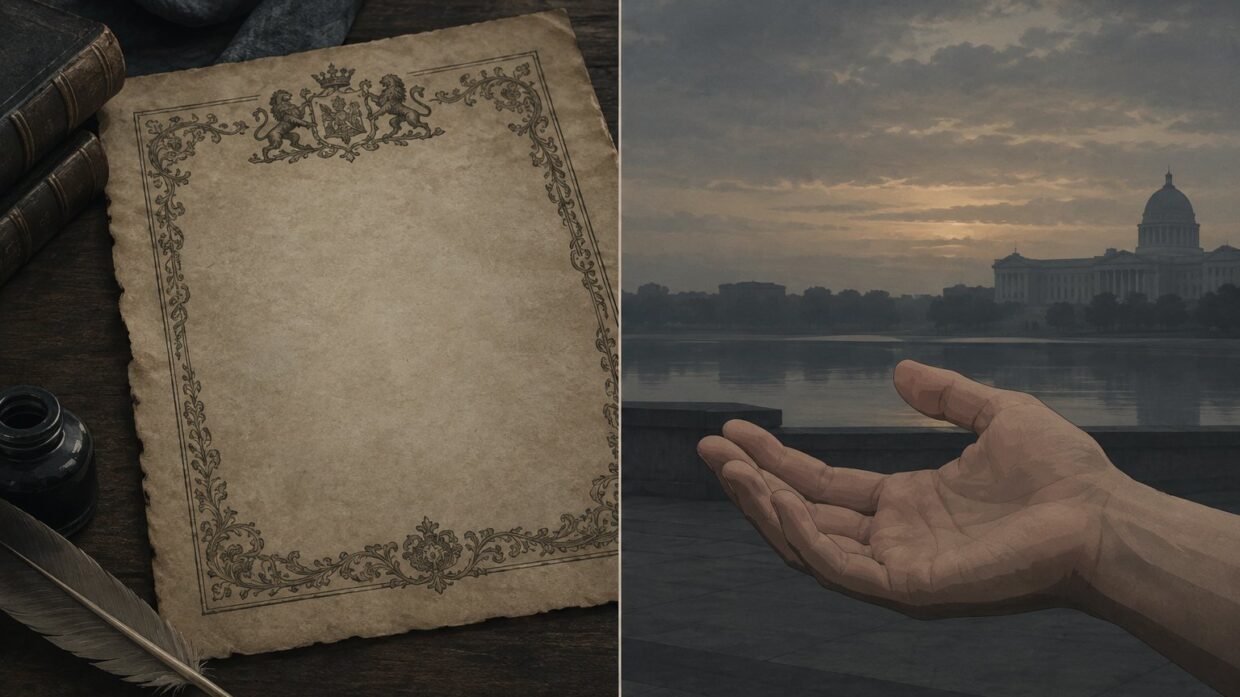
Photo: Well This Is News
We haven't found a left-leaning take on this story yet.
Breaking stories sometimes publish before every side has covered them. We'd rather show you that than invent a view.
We haven't found a right-leaning take on this story yet.
Breaking stories sometimes publish before every side has covered them. We'd rather show you that than invent a view.
UK PM Burnham Open to Slavery Apology, Rejects Financial Reparations
Key Takeaways
- King Charles previously signaled personal openness to reparations discussions during his Caribbean tour in 2022, creating ambiguity about whether Burnham's narrower stance represents new government consensus or a retreat from the monarchy's position.
- Britain paid £20 million in government compensation to slave owners in 1833 when abolishing slavery, not to formerly enslaved people, yet this specific historical precedent rarely appears in contemporary reparations debates.
- Burnham's position mirrors a global pattern where major powers offer apologies while avoiding reparations, raising the question of whether this consistency reflects principled legal limits or calculated avoidance of precedent-setting.
The Analysis
Burnham's position on slavery reparations reveals a calculated split between rhetorical acknowledgment and fiscal commitment that has become standard practice among Western leaders facing reparations demands. He explicitly separated the two: openness to an apology while ruling out financial compensation. This distinction matters because it defines what accountability actually means in practice.
The factual record shows that Britain profited substantially from the transatlantic slave trade between the 16th and 19th centuries, with documented estimates suggesting millions of enslaved Africans passed through British-controlled ports and plantations. When Britain formally abolished slavery in 1833, the government paid £20 million in compensation, not to formerly enslaved people, but to slave owners themselves, to reimburse them for the loss of their human property. That asymmetry, a specific historical fact, sits beneath the current reparations debate but rarely surfaces in contemporary framing.
The left-leaning framing, as NBC presents it, emphasizes that an apology without reparations amounts to incomplete accountability. The language here typically stresses that words are performative without material backing, and that symbolic gestures cannot substitute for economic restitution. This framing leaves out what mechanisms Burnham would actually support, if any, or what economic thresholds might satisfy substantive justice claims. It also does not engage with the practical questions of who qualifies for reparations or how they would be calculated and administered across a global diaspora more than 150 years after abolition.
The right's framing is largely absent from the source material provided, though the Bloomberg article signals a broader concern about Burnham's political sustainability rather than this specific issue. A complete right-leaning position would likely emphasize that contemporary British citizens bear no personal responsibility for historical wrongs committed by earlier generations, that reparations create unsustainable fiscal obligations, and that Britain has already integrated formerly colonized populations into its political system. That perspective typically does not appear in these sources.
What neither framing adequately addresses is the prior commitments various UK governments have made on this question. In 2022, King Charles, then Prince Charles, indicated personal receptiveness to the reparations discussion during his Caribbean tour, creating ambiguity about whether Burnham's position reflects new consensus or a narrower stance than the monarchy's stated openness. The reporting also does not establish whether Burnham's openness to an apology has institutional limits, such as parliamentary approval requirements, or whether such an apology would include specific acknowledgment of Britain's government-funded compensation to slave owners in 1833.
The underlying question this raises is whether symbolic apologies, absent economic consequence, function as closure or as deflection. The historical pattern shows that major powers generally resist reparations even when offering apologies, a pattern that would make Burnham's position consistent with global practice rather than distinctive to him. What remains unaddressed is whether that consistency reflects principled limits on state liability or calculated avoidance of precedent.
Burnham's refusal to couple apology with reparations sets precedent for how Britain will treat colonial-era accountability going forward. The 1833 British compensation of £20 million went to slave owners, not the enslaved, yet contemporary reparations demands face fiscal rejection while symbolic gestures suffice. This framework now extends to other former colonies assessing compensation claims. Without material restitution attached to official acknowledgment, apologies become administrative tools that close political pressure without redistributing wealth or addressing documented state enrichment from slavery. If Burnham's position hardens into settled policy, it forecloses the question of whether Britain will ever treat reparations as a fiscal obligation versus a rhetorical one, effectively choosing permanent non-liability over precedent-setting accountability.