Photo: Well This Is News
Search underway for two US troops missing after multinational exercises in Morocco
US troops missing after war games exercise in Morocco; massive manhunt underway
Two US service members missing in Morocco during African Lion military exercises
Key Takeaways
- Neither left nor right sources explained why the U.S. conducts annual military exercises in Morocco or what strategic interests drive that partnership, despite this being central to understanding the story.
- African Lion is an established exercise series running since 2007 with 3,000-7,000 troops from the U.S. and allied nations, yet neither side noted this was the first casualty incident of its kind, making this event statistically unusual.
- The U.S. maintains extensive military training partnerships with North African governments largely outside public awareness or domestic debate, and this incident reveals how little Americans discuss the costs and strategic justification for these alliances.
The Analysis
Two U.S. service members vanished near Morocco's Cap Draa Training Area during African Lion 2026, and neither the left nor the right has mentioned why American troops conduct annual war games in Morocco or what strategic interest drives that partnership, despite it being the actual headline.
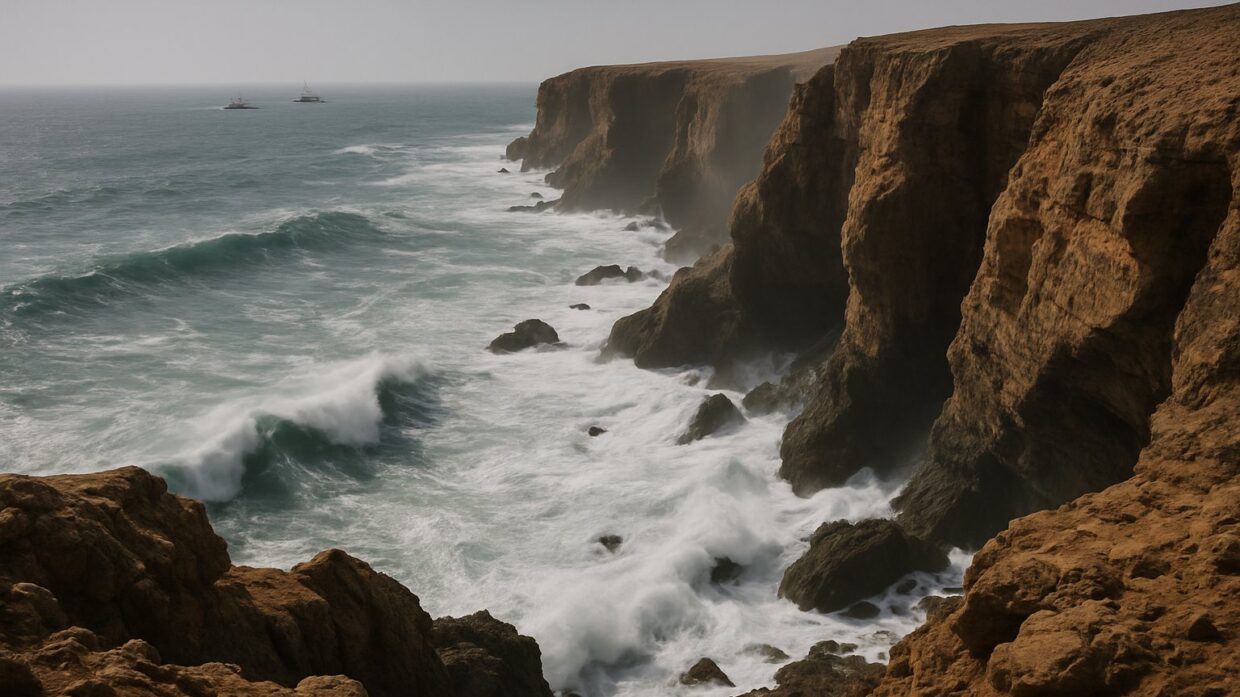
The verified facts: On Saturday, during the multinational African Lion 2026 exercise, two unnamed U.S. service members were reported missing near sea cliffs at the Cap Draa Training Area outside Tan Tan in southwestern Morocco. Initial reports indicated they may have fallen into the ocean. AFRICOM launched a search and rescue operation. The incident remains under investigation. No additional details about their identities, ranks, or unit have been released.
The Guardian and The Hill deployed careful, procedural language. The Guardian called it "annual multinational military exercises" and noted the service members were "reported missing." The Hill used "military exercise" and stated they were "reported missing." This framing emphasizes routine training and procedural response. It leaves unexamined why these exercises happen annually and what strategic calculus makes Morocco central to U.S. Africa Command operations.
The Daily Wire, Washington Examiner, and Breitbart used more dramatic language. The Daily Wire called it "war games," capitalized "MASSIVE MANHUNT," and emphasized the "multiple nations" involved. The Examiner used the phrase "war games exercise," and Breitbart used the same language. This framing makes the operation sound more consequential and urgent. But all three outlets equally avoid the actual question: what is the relationship between the United States and Morocco that necessitates these exercises, and what has it cost?
What neither side mentions is that African Lion is an annual exercise series that has run since 2007, typically involving 3,000-7,000 troops from the U.S. and allied nations. Morocco hosts them because the U.S. has deep military and intelligence partnerships with the Moroccan government, including a Souda Bay naval base relationship and signals intelligence cooperation. The exercises are part of broader American strategy to maintain influence in North Africa against competitors like Russia and China. They also serve Morocco's own military modernization and NATO-aligned positioning.
Neither the left nor the right mentioned that these exercises have occurred repeatedly with no previous casualty incidents of this type, making this event statistically unusual even if training always carries risk. Neither side noted that the Cap Draa Training Area is a coastal region where sea conditions are relevant context for how two service members might fall into the ocean. Neither side asked whether proper safety protocols were followed or whether sea cliff proximity during exercises warrants examination.
The real headline is not that two troops are missing, though that matters to their families and units. The real headline is that the United States maintains extensive military training partnerships with North African governments largely outside public awareness or domestic debate, and these partnerships occasionally produce incidents that force brief public notice. That two service members are missing near an ocean cliff during a routine exercise reveals less about the incident itself and more about how little Americans know or discuss why their military trains annually with Morocco, what that alliance costs, and what strategic outcomes justify it.
African Lion exercises reveal an unexamined pillar of U.S. strategy in North Africa that escapes domestic political debate despite annual deployment of thousands of American troops. Since 2007, the U.S. has conducted these exercises with Morocco as part of a broader effort to maintain regional influence against Russian and Chinese competitors, leveraging deep military intelligence partnerships and leveraging Morocco's NATO-aligned positioning. The incident near Cap Draa exposes the consequences of military operations conducted with minimal public awareness of their strategic purpose, cost, or oversight mechanisms. Americans sent to train abroad deserve clarity about why those missions exist, and the public deserves transparency about what alliances their government maintains and what risks those commitments entail. This missing persons case matters not because two troops vanished, but because it momentarily illuminates military commitments that otherwise remain invisible to the voters funding them.