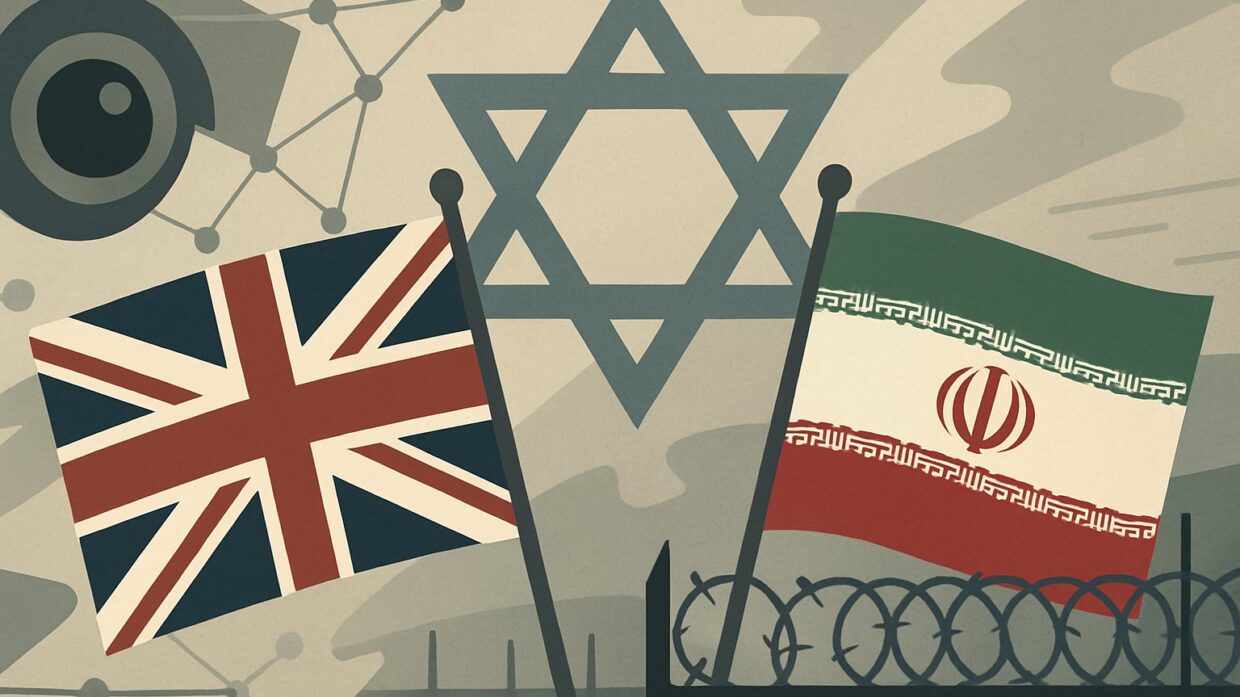
Photo: Well This Is News
British Police Charge Two Iranian Men in Plot Against Manchester Jewish Community on Yom Kippur
Iran-Backed Terror Plot Against British Jews Exposed as Tensions with Tehran Escalate
Two Iranian Nationals Charged in UK Terrorism Plot Targeting Jewish Community
Key Takeaways
- The men entered the UK on small boats before allegedly planning the attack, but coverage does not clarify whether this entry method was chosen for operational security or reflects broader patterns in how threats emerge.
- Neither the left nor right framing establishes whether Iranian state actors directed the plot, whether the men had operational support from state entities, or whether this represents independent extremist activity by individuals of Iranian origin.
- The boundary between Iranian state-directed terrorism and independent extremism by Iranian nationals remains undisclosed in the public record, despite both sides making different assumptions about which category applies.
The Analysis
British authorities charged two Iranian nationals Friday with preparing acts of terrorism against the Jewish community in Manchester, according to the Metropolitan Police. The men entered the UK on small boats before allegedly planning an attack timed to Yom Kippur, the holiest day in the Jewish calendar. The charges reflect what the available reporting describes as a credible threat disrupted by law enforcement, though the public record contains limited detail about the specific operational aspects of the alleged plot.
The left-oriented framing, as represented by NBC News coverage, emphasizes law enforcement success and the serious nature of the threat prevented. The reporting foregrounds the timing of the alleged plot around Yom Kippur, which carries symbolic weight, and identifies the men as Iranian nationals. NBC's language frames this as evidence of effective security work and raises secondary concerns about immigration controls. What this framing leaves out is any substantive exploration of Iran's state role, the broader pattern of Iranian activity, or how this fits into UK-Iran diplomatic tensions.
The right-oriented framing, as represented in the Bloomberg reporting selected for this perspective, connects the incident to Iran-backed extremism more explicitly and situates it within the context of already-strained UK-Iran relations. This framing amplifies the state-actor dimension and presents the case as part of a pattern rather than an isolated incident. The emphasis on individuals entering via small boats serves a secondary framing function, connecting immigration enforcement to national security. What this framing underplays is the distinction between alleged preparation and executed attack, and whether the available evidence establishes direct state direction or affiliation.
What neither side's coverage fully addresses requires careful parsing. The reporting identifies the men as Iranian nationals but does not establish whether Iranian state actors directed the plot, whether the men had operational support from state entities, or whether this represents independent extremist activity by individuals of Iranian origin. The public record, as disclosed in the reporting, does not confirm these details. The timing around Yom Kippur may be operationally significant or may reflect when authorities became aware of the plot; the reporting does not clarify. The men's entry via small boats is noted as a fact but the coverage does not explore whether this entry method was chosen for operational reasons or whether it reflects broader patterns in how security threats materialize.
The substantive omission from both framings is the history of UK-Iran relations that created the condition for characterizing this as part of escalating tensions. That context remains undisclosed in the available reporting. The case appears to involve genuine law enforcement action against a credible alleged threat, but the boundary between Iranian state-directed terrorism, Iranian-inspired extremism, and individuals of Iranian nationality planning violence remains unclear in the public record.
The most honest headline for this story acknowledges what the evidence establishes: British authorities have charged two Iranian nationals with preparing a terrorism attack against the Jewish community. It remains undisclosed whether the plot reflects state direction, independent extremism, or something between those categories.
Britain's counterterrorism apparatus has obtained convictions or charges in cases involving alleged Iranian-linked plots before, and each prosecution shapes public perception of Iran's role in UK security threats while influencing how British officials approach diplomatic negotiations with Tehran. These charges will likely harden political assumptions about Iranian state involvement in domestic extremism even if the evidence establishes only that two individuals of Iranian nationality allegedly planned violence. The distinction matters because charging decisions and their public presentation shape legislative responses, immigration policy, and the threshold of suspicion applied to future cases involving Iranian nationals or suspected Iran-backed activity. If the men acted independently, treating the case as evidence of state-directed terrorism sets a precedent for how similar incidents will be prosecuted and framed. If Iranian state entities directed the plot, obscuring that detail in early reporting weakens the factual foundation for any diplomatic or sanctions response Britain might pursue.