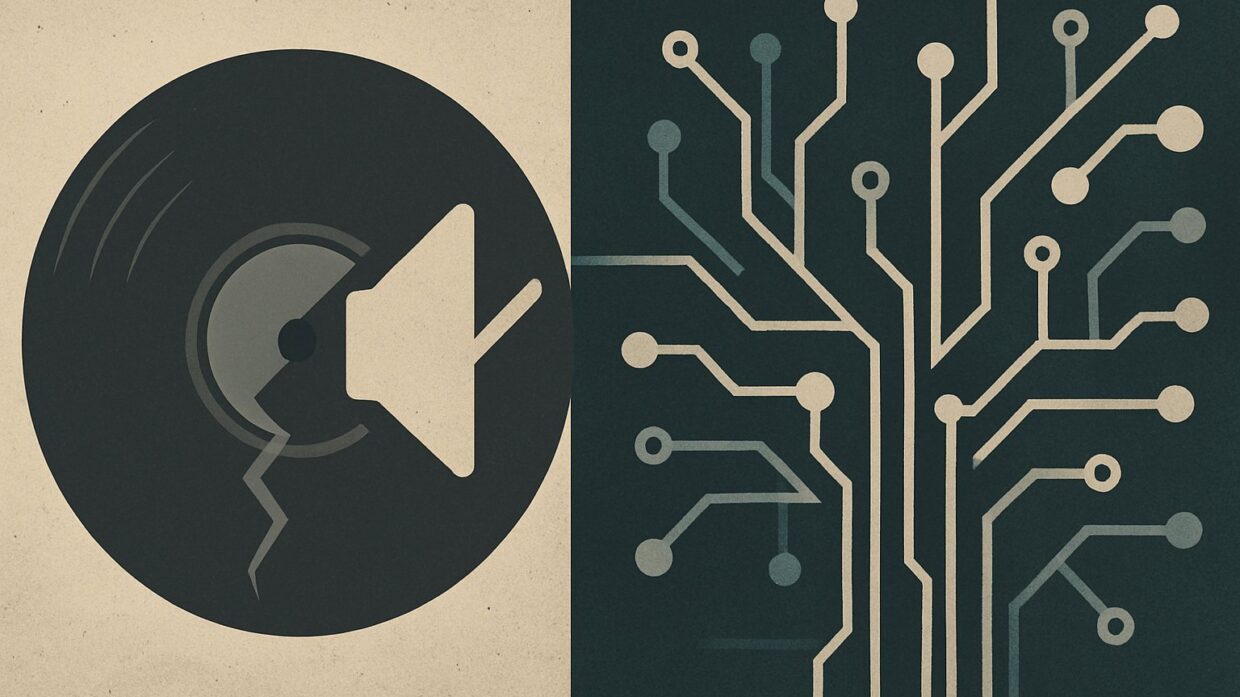
Photo: Well This Is News
Trump Admin Caught Using Artist Music Without Permission While Pushing Unregulated AI
Trump Secures Voluntary AI Standards with Tech Leaders at White House Summit
Trump White House Faces Dual Challenges: Artist Disputes Over Ad Music, AI Industry Self-Regulation Deal
Key Takeaways
- The Trump campaign has faced multiple cease-and-desist letters from artists over unauthorized music use, yet continues the disputed practice, indicating either legal counsel is being ignored or the campaign accepts potential liability as campaign cost.
- The White House announced a voluntary AI safety accord with no enforcement mechanisms or legal consequences for violations, leaving unclear what incentive companies have to honor commitments beyond reputation.
- The administration's approach differs sharply depending on whether it faces pressure from artists asserting property rights or from tech companies seeking regulatory relief, suggesting executive authority operates on a case-by-case basis rather than consistent principle.
The Analysis
Two separate White House stories this week expose a fundamental tension in how the Trump administration frames executive power: when private citizens claim rights over their own creative work, the administration resists; when private companies face regulatory pressure, it positions voluntary compliance as preferable to government enforcement. The stories do not directly intersect, but the framing choices reveal how both the left and right are using them.
The documented facts are straightforward on the music dispute. JMSN, an R&B artist, has issued a formal demand that his music be removed from Trump campaign advertising material. According to HuffPost's reporting, JMSN stated the music was used without authorization or permission. This is not the first such dispute. VoteVets, a veterans advocacy group, created a spoof of a Trump campaign ad called "Final Battle," while other artists including Foo Fighters, The White Stripes, and Rihanna have previously sent cease-and-desist letters over unauthorized use of their work in Trump materials. These are separate legal disputes, each involving claimed intellectual property violations by the campaign.
On the AI front, Trump administration officials gathered with major tech executives on September 30 and announced what Axios describes as a "morally binding" voluntary accord on AI safety standards. The terms, according to the reporting, instructed companies to "press ahead, project optimism and police yourselves." No new legislation was announced. No regulatory mechanism was established. The White House framed this as the tech industry taking responsibility for its own governance.
The left's framing emphasizes pattern and hypocrisy. HuffPost's coverage leads with unauthorized appropriation of artists' work, positioning this as evidence of an administration indifferent to property rights when it serves political purposes. The narrative suggests a double standard: the Trump administration demands adherence to law and order in other contexts but disregards artists' legal claims. Simultaneously, the left notes that the AI accord lacks enforcement mechanisms. This framing leaves unstated why the Trump campaign has continued using disputed music despite prior cease-and-desist letters, and whether legal counsel advised them on potential liability.
The right's framing prioritizes the AI story as evidence of business-friendly governance. Breitbart's coverage of the White House gathering emphasizes the direct access granted to the news organization and the administration's collaborative stance with industry. This framing avoids the music dispute entirely. The implicit argument is that voluntary industry standards represent enlightened policy, respecting market-driven solutions over burdensome regulation. What this framing does not address is what remedies exist if companies violate a "morally binding" accord that is not legally binding.
What neither side fully captures is the question of executive branch legal exposure. The music disputes represent potential liability claims against the campaign. The pattern of similar disputes across multiple artists suggests either persistent legal oversight failures or deliberate decisions to use music without licensing, betting that cease-and-desist letters are cheaper than licensing fees. The AI accord, meanwhile, raises questions about whether voluntary standards satisfy congressional pressure for AI regulation without actually constraining industry behavior. Both stories involve the Trump administration defining its relationship to binding versus voluntary commitments, but only the music story involves disputed property rights.
The underlying question is whether the White House distinguishes between voluntary compliance it proposes to industry and mandatory compliance it expects from others. That distinction has institutional implications for how executive authority operates across different constituencies.
The Trump campaign's repeated unauthorized use of artists' music despite cease-and-desist letters, combined with the White House's preference for voluntary industry self-regulation over enforceable AI standards, establishes a governance pattern with direct legal and administrative consequences. When the administration resists copyright claims from individual creators while simultaneously offering tech companies nonbinding compliance frameworks, it signals that enforcement mechanisms apply selectively based on economic power. This asymmetry creates precedent for future White House dealings with intellectual property disputes and regulatory accountability. The music disputes expose potential campaign liability that could extend to staff involved in licensing decisions, while the "morally binding" AI accord effectively delegitimizes congressional pressure for binding legislation by offering the appearance of responsibility without structural consequences for violations. Both decisions will influence how federal agencies approach enforcement priorities and which stakeholders receive binding versus discretionary oversight.