Photo: Well This Is News
Trump hid in catering container, switched planes in Turkey to evade Iran assassination threat
Trump secretly swapped planes using catering truck to counter Iran threat at NATO summit
Trump used decoy plane and catering truck to leave Turkey amid Iran threat in July
Key Takeaways
- No U.S. official has publicly disclosed the specific intelligence, timing, or imminence assessment of the Iranian threat that prompted the operation, leaving the threshold justifying the security protocol unverified.
- The incident establishes a precedent where presidents can be moved on classified military aircraft and the public and press can be deliberately misled about their location without advance disclosure or post-hoc explanation.
- Allied leaders at the NATO summit may not have been informed about the operation occurring within their own country, raising questions about coordination with partners on security decisions affecting shared venues.
The Analysis
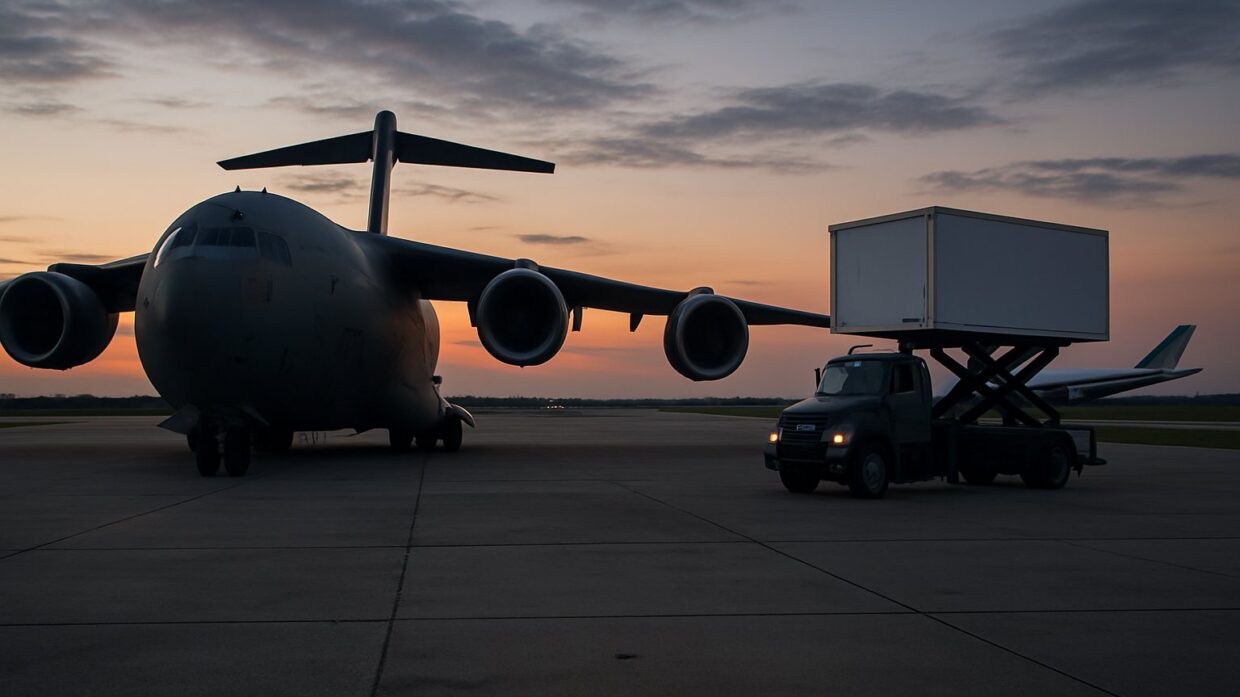
President Trump departed Turkey in July using an elaborate security protocol that involved boarding a decoy Air Force One, then exiting via a catering truck to a smaller military aircraft, according to reporting from the Washington Post and confirmed by U.S. officials. The operation was prompted by what officials described as an ongoing Iranian assassination threat. The specific nature and credibility of that threat remain undisclosed in public reporting.
The left-leaning coverage emphasizes the secrecy and deception involved. The Guardian's framing describes Trump as having "hid in catering container," while HuffPost characterizes the operation as evidence that Trump is "scared" and uses terms like "sick s**t" and "disturbing" in headlines. The language choice here is significant: by using "hid" rather than "was moved" or "was transferred," and by pairing the security measure with mockery of the president's fear, this framing transforms a security protocol into evidence of weakness or cowardice. What this coverage largely leaves out is context about Iranian threats to U.S. presidents. Iran's government announced bounties on Trump in 2020, and the country has a documented history of plotting against U.S. officials. The omission makes the security measure appear performative or excessive rather than responsive to stated, verifiable threats.
Right-leaning outlets frame the same events as sophisticated security coordination. Fox News and The Daily Wire use language like "executed a sophisticated security operation" and emphasize that the Secret Service and military "coordinated the complex maneuver." The reporting foregrounds the seriousness of the threat and the competence of the response. What this framing underplays is that the public and much of Trump's own staff were not informed of the operation, and that the press corps was deliberately misled about the president's location and aircraft. The transparency question, which matters regardless of the threat's validity, receives less emphasis on the right.
What neither side's framing adequately addresses is what the public record actually establishes about the Iranian threat. No U.S. official has publicly disclosed the specific intelligence that prompted the operation, when that intelligence was received, or how imminent the threat was assessed to be. The coverage treats the threat as background context rather than the central claim requiring verification. Additionally, neither framing examines the precedent this sets: if a presidential security team can move a sitting president on a classified military aircraft without press notification or advance disclosure, what other presidential movements or decisions might occur outside public view under similar threat claims?
The underlying question is whether the Iran threat was immediate and specific enough to justify a security protocol that involved deliberately misleading the traveling press and the public about the president's location and aircraft. The available reporting does not establish the threshold for that determination or whether it was met. What the incident does establish is that in July 2026, a U.S. intelligence assessment of Iranian threats to the sitting president was serious enough to activate extraordinary security measures at a NATO summit involving allied leaders who may or may not have been informed of the operation.
The real headline: Trump left Turkey on a secret military flight in response to reported Iranian threats, using a decoy plane and concealing the operation from the press, raising unanswered questions about the threat's credibility and the precedent set for undisclosed presidential movements.
Undisclosed presidential movements conducted under classified threat assessments create institutional vulnerability. If intelligence agencies can move a sitting president without press notification or advance disclosure by citing Iranian threats, the precedent applies to other presidential decisions, locations, and activities operating outside public scrutiny. This matters because it establishes that threat claims alone, unverified in public record and without disclosed specifics about timing or imminence, now justify removing transparency safeguards that historically constrained executive power. The Secret Service and military coordination demonstrates operational capability, but the incident proves no external mechanism currently requires disclosure of the threat's threshold or whether it met justification for the deception. Future administrations will inherit both the operational template and the institutional acceptance that classified threat assessments supersede press access and public notification. Congress has not examined whether this security protocol should require post-hoc briefing, threat documentation, or disclosure windows. The Iran precedent now stands as actionable doctrine.