Photo: Well This Is News
Trump threatens 'massive attack' on Iran as Middle East spirals toward uncontrollable conflict
Oil Hits $100 as Iranian-Backed Houthis Intensify Attacks, Trump Weighs Military Response
Trump signals major Iran military action as Houthis escalate Red Sea attacks, oil surges past $100
Key Takeaways
- Trump's 2018 withdrawal from the Iran nuclear deal and reimposition of sanctions created the conditions for the current cycle of proxy escalation, but neither side addresses whether military action will address this underlying driver.
- The public record shows Trump is close to a decision on military action but does not confirm what the action would accomplish, whether diplomatic channels remain open, or whether military strikes are meant as retaliation or negotiation leverage.
- Oil prices, regional economic damage, and UN warnings of uncontrollable escalation are all documented, but the actual trigger mechanism for the current crisis,whether military action stops the cycle or starts a larger conflict,remains unresolved and untested.
The Analysis
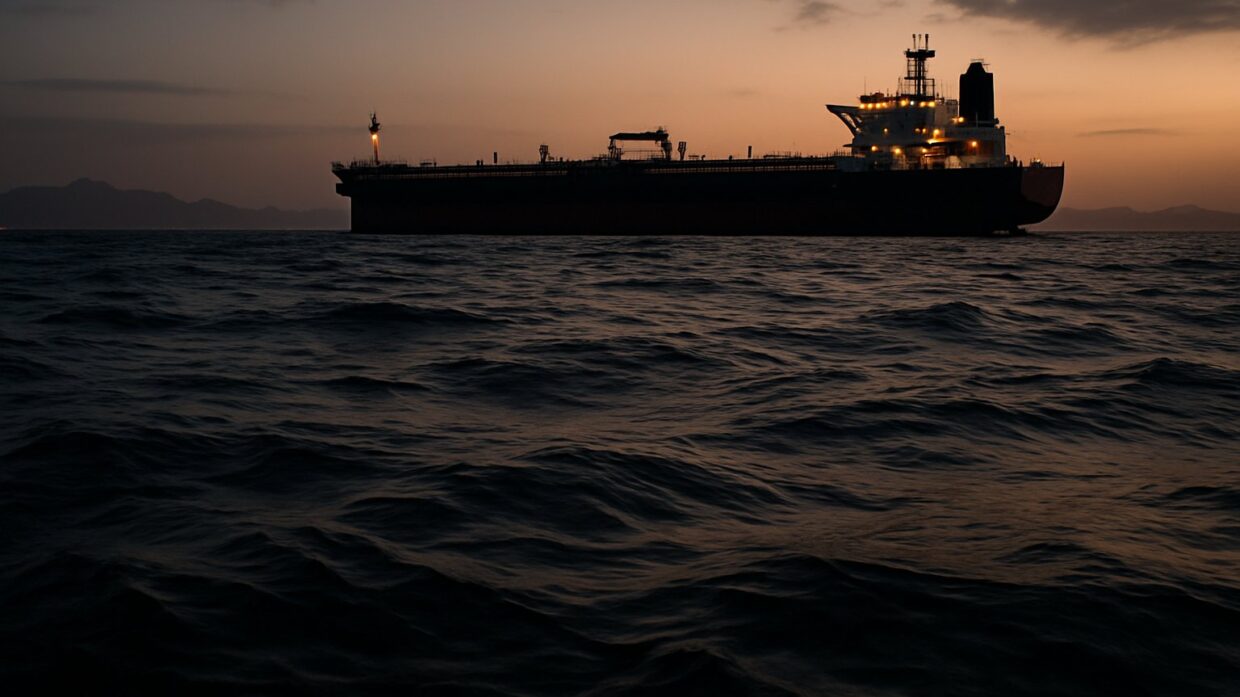
Trump announced he is close to deciding on what he characterized as the largest military attack yet against Iran, following sustained Houthi strikes on Saudi oil tankers transiting the Red Sea. The specific language Trump used matters: he did not say imminent attack, but rather that a decision point is near. Brent crude climbed above $100 a barrel Thursday for the first time since May. UN Secretary General António Guterres told the security council the region faces being pushed to the edge of the unimaginable. These are the documented facts. What each side emphasizes and what it leaves out reveals competing narratives about the same underlying sequence.
The left frame, articulated through Guardian coverage, emphasizes Trump's rhetoric as reckless escalation without clear strategic purpose. The Guardian quoted Guterres directly on the danger spiral and noted that tourism revenues are already suffering in Dubai, suggesting measurable economic damage from mere rhetoric and regional tension. This framing leaves out two things: first, the specific pattern of Houthi provocations over the preceding weeks that prompted the US military posture, and second, any acknowledgment that oil market reactions reflect rational assessment of supply risk rather than panic theater. The emphasis shifts attention toward Trump's decision-making process and away from the sequence of strikes that prompted it.
The right frame, represented by The Daily Wire, treats the Houthi attacks as the primary fact and Trump's signaling as a logical response to Iranian proxy warfare. The Daily Wire specified that Brent crude exceeded $100, identifying the benchmark price exactly. This framing emphasizes market reality, supply chain concern, and the deliberate choice by Iranian-backed actors to escalate. It leaves out three things: first, any discussion of what broader military action might accomplish versus what it might trigger; second, any mention of diplomatic off-ramps or conditions under which talks might resume; third, any accounting of costs to regional stability or civilian impact. The emphasis shifts attention toward the provocation and away from the consequences of responding.
What neither side fully captures is the structural reality: Trump withdrew the US from the Joint Comprehensive Plan of Action in 2018, reimposed sanctions, and the Houthis have escalated in response to US regional policy, not in isolation. The current military posture follows years of proxy conflict that predates this week's events. Neither frame addresses whether Trump's 2018 decision to exit the nuclear agreement established the conditions that produced this escalation. Neither explores whether military action addresses the underlying driver of Houthi strikes, which appears to be tied to US Middle East alignment and sanctions policy.
The public record does not establish what Trump's decision will actually be or what military action, if taken, would aim to accomplish beyond immediate retaliation. The available reporting does not confirm whether diplomatic channels remain open or whether the administration views military action as a path to negotiation or as a substitute for it. The record shows oil prices rising, regional allies experiencing economic pressure, and UN leadership warning of uncontrollable escalation. It does not show whether Trump's stated nearness to decision reflects genuine deliberation or public signaling designed to influence Houthi behavior or regional allies' military participation.
The real headline is simpler than either frame: the US and Iranian proxies are locked in a cycle of escalation that has produced direct military threats, economic consequences measurable in commodity markets, and public warnings from international leadership about loss of control. What remains unresolved is whether Trump views military action as a circuit-breaker or as the start of a larger conflict.
A military strike on Iran would represent the first direct US attack on Iranian territory since the 1988 downing of Iran Air Flight 655, fundamentally altering the legal and strategic precedent for US military action in the region. The 2018 nuclear deal withdrawal already eliminated the diplomatic off-ramp that had constrained Iranian proxy activity for three years. Another escalation closes remaining negotiation pathways and locks in a confrontational posture that will shape Middle East policy across the next four years regardless of which administration follows Trump. Oil markets at $100+ create pressure on global growth and shift geopolitical leverage toward Russia and other energy producers. Most critically, there is no public evidence Trump's team has mapped what comes after the strike, whether diplomatic resolution becomes possible afterward, or what triggers would necessitate additional military action. This is not rhetorical escalation with an off-switch. It is structural commitment to an adversarial relationship with Iran that extends far beyond