Photo: Well This Is News
Trump's dangerous gambit: why siding with Putin over Ukraine matters
We haven't found a right-leaning take on this story yet.
Breaking stories sometimes publish before every side has covered them. We'd rather show you that than invent a view.
Trump pressures Ukraine toward Russia negotiations, citing U.S. costs
Key Takeaways
- Trump stated a fiscal rationale for ending support to Ukraine, that the U.S. has spent heavily on the conflict without receiving tangible returns, but left sources omitted this argument and attributed his position solely to ideological alignment with Putin.
- Neither Trump nor his administration has publicly disclosed what specific settlement terms he envisions, whether he has communicated negotiating parameters to either Ukraine or Russia, or whether he has briefed Congress on any formal negotiating framework.
- The debate over supporting Ukraine masks a deeper unresolved question: whether continued U.S. involvement serves core strategic interests like weakening Russia and deterring aggression, or represents indefinite fiscal commitment to a foreign conflict.
The Analysis
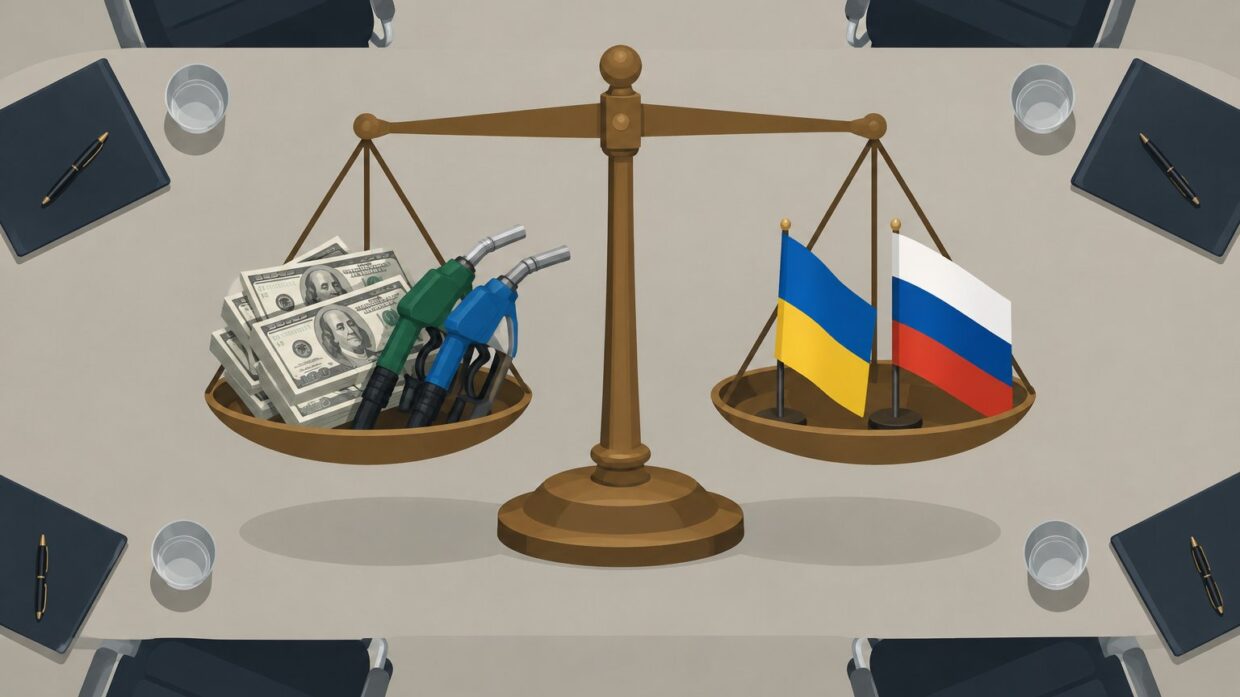
Trump said on Tuesday that it is time for Ukraine to negotiate a deal with Russia, framing continued U.S. support as economically unproductive and arguing that America has received nothing in return except high diesel costs. This statement marks an explicit pivot in presidential messaging about the conflict, moving from support for Ukrainian sovereignty to pressure for capitulation.
What actually happened: Trump made the comments during a public appearance on Tuesday. He did not specify what terms he would accept or what pressure he would apply to either Ukraine or Russia. The PBS NewsHour reporting captures the direct quote and the timing. No reporting confirms that Trump has communicated specific negotiation parameters to either party or discussed potential terms with Russian leadership. The National Review article argues Russia is the aggressor and pillar of an anti-American axis, but does not report on any direct negotiations or Trump administration communications with Moscow.
The left framing emphasizes Trump's alignment with Putin's preferred outcome: Ukraine's territorial concessions. The Atlantic's language of a "staggering one-two punch" suggests coordinated damage, implying deliberate harm to Ukrainian interests. This framing leaves out Trump's stated rationale for the position: the cost to the U.S. Treasury. By omitting the fiscal argument, the left frame makes the policy appear ideologically motivated toward authoritarianism rather than driven by a calculation about American spending priorities. That omission is politically useful because it forecloses the debate about whether sustained military aid serves U.S. security interests or represents indefinite financial commitment.
The right framing available in the sourced material focuses on Russia's aggressor status and the importance of treating it as an adversary. The National Review piece does not directly address Trump's current position or his negotiations strategy. Instead, it argues in principle against ceding Ukraine to Russian control, but provides no reporting on whether Trump intends that outcome or is negotiating toward something else. The Washington Examiner piece focuses on Polish antisemitism and anti-Americanism, a separate issue that does not engage Trump's Ukraine policy directly. The right sources avoid Trump's own stated position on the merits of continued spending, which complicates their case that abandoning Ukraine contradicts conservative security priorities.
What neither side adequately addresses is the question of what specific settlement Trump is imagining or whether he has communicated such terms to either Ukraine or Russia. The left assumes coordination with Putin. The right assumes capitulation to Putin. Trump's own statement does not establish either. The reporting leaves unresolved whether Trump is proposing a negotiated settlement that preserves some Ukrainian sovereignty, a full territorial concession, or something between those poles. The public record does not establish whether Trump has briefed Congress on any negotiating framework or communicated parameters to the State Department. That absence of detail is itself significant because it suggests either no formal negotiating position exists or none has been disclosed.
The underlying question this story raises is whether the U.S. interest in supporting Ukraine is primarily strategic (weakening Russia, deterring aggression, maintaining NATO cohesion) or primarily fiscal (limiting spending on a foreign conflict). Trump's framing treats it as fiscal. Neither side fully interrogates that distinction. The historical context absent from all coverage is the Bush administration's 2008 declaration that NATO would expand to include Ukraine and Georgia, a commitment that Moscow explicitly opposed and that arguably contributed to the 2022 invasion. That prior commitment is not cited by either side to explain current obligations, nor is it cited by Trump to explain why he might want to exit them.
Trump's public pressure on Ukraine to negotiate abandons the executive framework that has guided U.S. policy since 2022. Without specifying actual negotiation terms or communicating parameters to either party, Trump has shifted presidential messaging from supporting Ukrainian sovereignty to demanding capitulation based on domestic fiscal arguments. This move creates immediate institutional consequences: Congress loses leverage to condition military aid on clear strategic objectives, the State Department operates without clear negotiating guidance, and NATO allies face uncertainty about U.S. commitment to collective defense. Most critically, it removes the distinction between strategic and fiscal rationales for foreign policy, collapsing security interest into budget line items. Future presidents will inherit either a negotiated settlement that rewards Russian aggression or a hollowed alliance structure that treats military alliances as optional spending categories rather than security commitments.