Photo: Well This Is News
Trump vows campaign blitz for GOP while making crude remarks about Republican candidate
Trump pledges 100% support to GOP, commits to 35 campaign stops in final midterm stretch
Trump pledges 35-race campaign push as GOP seeks to mobilize base before midterms
Key Takeaways
- Republican candidates in tight races appear to believe they cannot win without Trump's specific involvement and access to his fundraising network, suggesting either his base is uniquely essential to GOP electoral coalitions or he has concentrated control over the party's donor and voter contact infrastructure.
- Trump's willingness to publicly criticize a candidate's appearance while simultaneously offering campaign support suggests he has leverage over Republican nominees that transcends normal endorsement relationships, as candidates tolerate personal attacks to secure his resources.
- Neither side examines whether a 35-stop campaign schedule in the final month is logistically feasible or whether such an intense Trump-focused schedule might create competing news cycles that could damage individual candidates' localized messages.
The Analysis
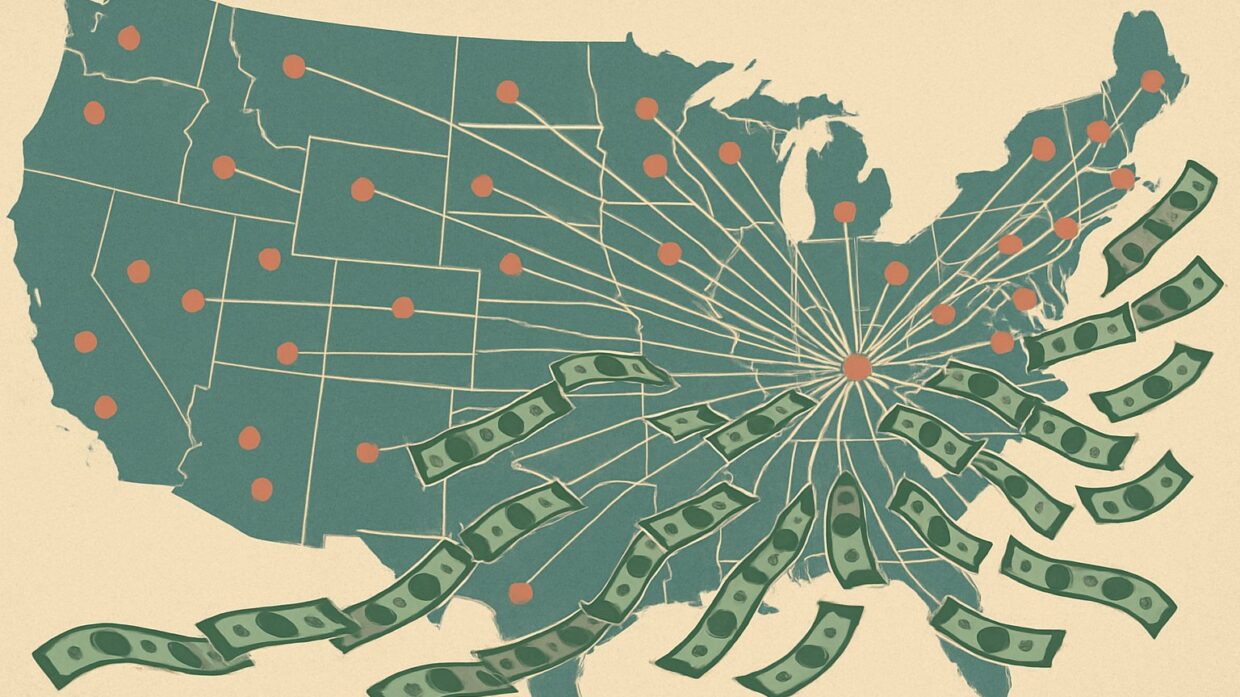
Trump announced at a White House Rose Garden dinner that he will campaign in 35 competitive races before the midterm elections, representing a concrete commitment of his political apparatus and $400 million fundraising capacity to Republican candidates. The announcement occurred in early September, during the final stretch before November voting. The event included Republican lawmakers running in tight races, and Trump specifically mentioned Alaska and Texas Senate contests as part of his travel plan.
The left-leaning framing, exemplified by NBC News coverage, emphasizes Trump's crude personal attack on Ken Paxton's appearance while Paxton is simultaneously seeking Trump's campaign support. This framing presents a tension: the candidate needs Trump's political machinery, but Trump's unpredictable remarks create messaging problems. The left frame does not emphasize the scale of Trump's commitment (35 races, $400 million available) or the structural reality that Republican candidates in competitive districts believe access to Trump's fundraising and voter contact infrastructure is essential to their electoral survival. The omission is politically convenient because it avoids examining whether Democratic candidates operate under similar dependency relationships with major party figures or whether this represents a distinctive Republican structural challenge.
The right-leaning framing, as presented by The Daily Wire, emphasizes Trump's "100% support" pledge and the scale of his commitment (35 stops, final month blitz). The Washington Examiner coverage mentions the Paxton comment but subordinates it to Trump's broader campaign promise. This framing presents Trump as the party's mobilizing force and focuses on resource deployment rather than the interpersonal dynamics. What this frame does not foreground is whether the Paxton remark signals either impulsive behavior that could damage candidates or a calculated test of which Republicans will tolerate public criticism in exchange for campaign support. The framing also does not address whether 35 stops in a final month is logistically feasible or whether such a schedule might actually undermine individual candidates by creating competing news cycles.
What neither side fully addresses is the underlying asymmetry this reveal: Republican candidates in competitive races appear to believe they require Trump's specific involvement to win. This suggests either that Trump's base is essential to Republican electoral coalitions in ways that may not be true for Democratic bases and their party figures, or that Trump has cultivated such dominance over the party's donor networks and voter contact infrastructure that candidates cannot succeed without his approval. Politico's framing, noting the $400 million war chest and candidate hopes for its deployment, hints at this dynamic without naming it directly. The Paxton example is instructive: Trump publicly criticized Paxton's appearance, yet Paxton and others still sought his endorsement and campaign support, suggesting Trump's leverage over these candidates transcends conventional candidate-supporter relationships.
The actual headline this story supports is: Trump's campaign involvement in 35 races signals Republican reliance on his fundraising and base mobilization capacity, though his unpredictable public statements create messaging vulnerabilities that candidates appear willing to tolerate.
Republican candidates in 35 competitive races have signaled they view Trump's fundraising apparatus and voter mobilization capacity as essential to electoral viability, not merely helpful. This structural dependency transforms Trump from party surrogate into gatekeeper over candidate survival. When Ken Paxton can absorb a public attack on his appearance and still pursue Trump's endorsement and campaign resources, it reveals the asymmetry now embedded in Republican electoral strategy: candidates lack viable alternatives to Trump's donor networks and voter contact infrastructure. This shapes how Republican nominees will operate in Congress if elected, creating a selection effect where party loyalty to Trump becomes prerequisite for access to resources necessary to win. Democratic campaigns do not exhibit this same candidate-to-figure dependency pattern with any single party figure, meaning the structural realities of the 2024 cycle are fundamentally reshaping Republican caucus composition toward Trump alignment.