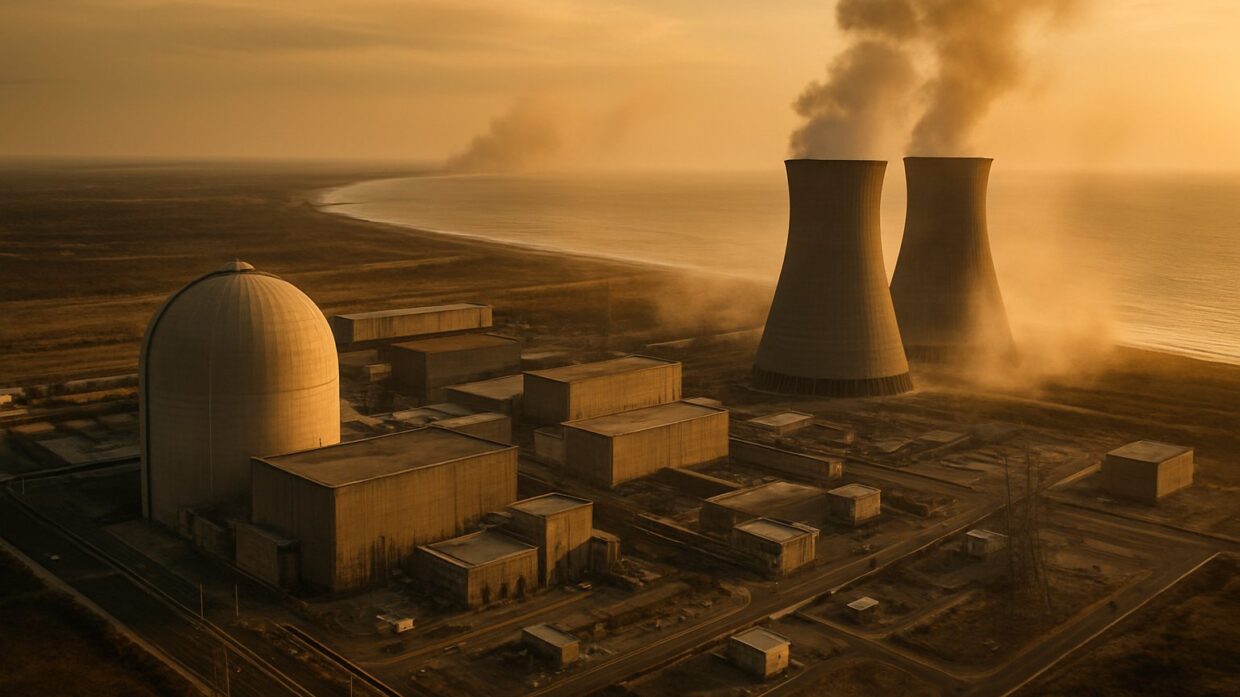
Photo: Well This Is News
Trump threatens Iran with destruction if peace talks fail amid escalating regional tensions
Trump's ultimatum: Iran has limited time to accept deal or face devastating military strikes
Trump gives Iran ultimatum on nuclear deal as UAE reports drone strike near reactor
Key Takeaways
- Trump withdrew from the 2015 Iran nuclear agreement in 2018 and reimposed sanctions that advanced Iran's nuclear program for years without international oversight, but is now demanding Iran accept new nuclear restrictions under threat of military strikes.
- The UAE drone strike that prompted Trump's ultimatum occurred in a region where Iran has felt cornered by U.S. sanctions and excluded from a deal the Trump administration itself destroyed, creating a cycle of escalation with no agreed endpoint.
- Neither side is addressing the contradiction that Trump is simultaneously asking Iran to comply with a successor agreement while threatening immediate military action if negotiations don't accelerate quickly enough, which creates an impossible negotiating environment.
The Analysis
Trump issued an explicit deadline to Iran on nuclear negotiations, stating the 'clock is ticking' and warning that 'there won't be anything left' of the country if it doesn't accept a peace deal. This language matters because it is not diplomatic hedging: Trump used present-tense destruction rhetoric, not conditional future threats. He told Axios specifically that if Iran doesn't improve its offer, 'they are going to get hit much harder,' signaling imminent military action rather than distant consequences. The timing was deliberate, following hours after the UAE blamed Iran or its proxies for a drone strike that ignited a fire near the Barakah nuclear power plant.
The Guardian and other left-leaning outlets framed Trump's warning as dangerous escalation. The Guardian's headline emphasized the threat to Iran's existence and used the phrase 'growing more precarious' to describe ceasefire negotiations, treating Trump's ultimatum as a destabilizing force that could collapse fragile talks. This framing omits one critical detail: the UAE had just blamed Iran for attacking nuclear infrastructure. By leading with Trump's rhetoric rather than the preceding drone strike, these outlets presented the escalation sequence backward, making Trump's threat appear unprovoked rather than responsive. The left's omission here is politically convenient because it avoids explaining why the U.S. president felt compelled to issue threats at that specific moment.
Breitbart and right-leaning sources framed Trump's ultimatum as justified pressure on a regime that refuses to negotiate seriously. Breitbart's headline used Trump's exact words, 'Get Moving, FAST, or There Won't Be Anything Left,' which emphasizes urgency and Iran's choice to either comply or face consequences. This framing treats Trump as delivering overdue clarity to an adversary that has been stalling while conducting military operations. The right's language centers on Iran's agency: Iran can choose to accept a deal, or Iran will face strikes. This omits what neither side is discussing: the prior context that made this moment inevitable.
What both sides are quietly omitting is the sequence of broken agreements and sanctions that created this negotiating environment. The 2015 JCPOA (Joint Comprehensive Plan of Action) limited Iran's nuclear program under strict international inspection. Trump withdrew the United States from that agreement in May 2018, re-imposing maximum-pressure sanctions that devastated Iran's economy. Iran responded by gradually abandoning JCPOA compliance. For years after that withdrawal, Iran's nuclear program advanced without international oversight, and Iranian proxies expanded military operations across the region. Now, in 2026, Trump is demanding Iran accept new restrictions while the region experiences active conflict. The UAE's nuclear plant attack occurred in this context: a region where Iran feels cornered by sanctions and excluded from the deal Trump himself destroyed, yet where Trump now demands compliance or faces military strikes.
Neither the left nor the right wants to explain that Trump is simultaneously demanding Iran comply with a successor agreement to the deal Trump killed, while also threatening military action if Iran doesn't move fast enough. That contradiction is the actual story. The real headline is this: Eight years after the U.S. withdrew from the JCPOA and imposed maximum-pressure sanctions, the Trump administration is issuing a military ultimatum for Iran to accept new nuclear restrictions, following an Iranian drone attack on UAE nuclear infrastructure. That sequence reveals the region's true condition: a cycle of withdrawal, sanctions, escalation, and proxy conflict with no off-ramp and no agreement anyone trusts.
Trump's ultimatum collapses the distinction between negotiation and warfare. By issuing an explicit military deadline following the UAE's report of an Iranian drone strike near nuclear infrastructure, Trump has eliminated the space where diplomacy typically occurs. Iran now faces a choice between capitulating to restrictions while under maximum-pressure sanctions from an administration that previously abandoned the last nuclear agreement, or absorbing military strikes. Neither option includes trust. The institutional consequence is severe: any future nuclear negotiation with Iran will occur under the assumption that agreements can be unilaterally scrapped and replaced with military threats. This destroys the negotiating framework itself. Russia, China, and other potential signatories to regional agreements will demand ironclad guarantees of U.S. compliance that no administration can provide. The result is not a stronger nuclear deal but the calcification of an arms race where Iran accelerates weapons development precisely because no agreement offers security, and regional powers like Saudi Arabia and Israel accelerate their