Photo: Well This Is News
Trump pressures Thune to kill August break over voting bill as GOP fractures
Thune stands firm against Trump's demand to cancel August recess for SAVE America Act
Trump demands August recess cancellation for SAVE Act; Thune resists without guarantee of passage
Key Takeaways
- No reporting has established whether the SAVE America Act actually has majority support among Senate Republicans or what amendments might be needed to pass it, making it impossible to assess whether Thune's skepticism is justified.
- Thune's stated concern about wasting senators' time could mean either that he genuinely doubts the bill's viability or that he strategically opposes the bill itself, and the available reporting does not distinguish between these two explanations.
- The coverage focuses entirely on the conflict between Trump and Thune while ignoring what other Republican legislative priorities exist and why Thune believes an extended August session would harm them.
The Analysis
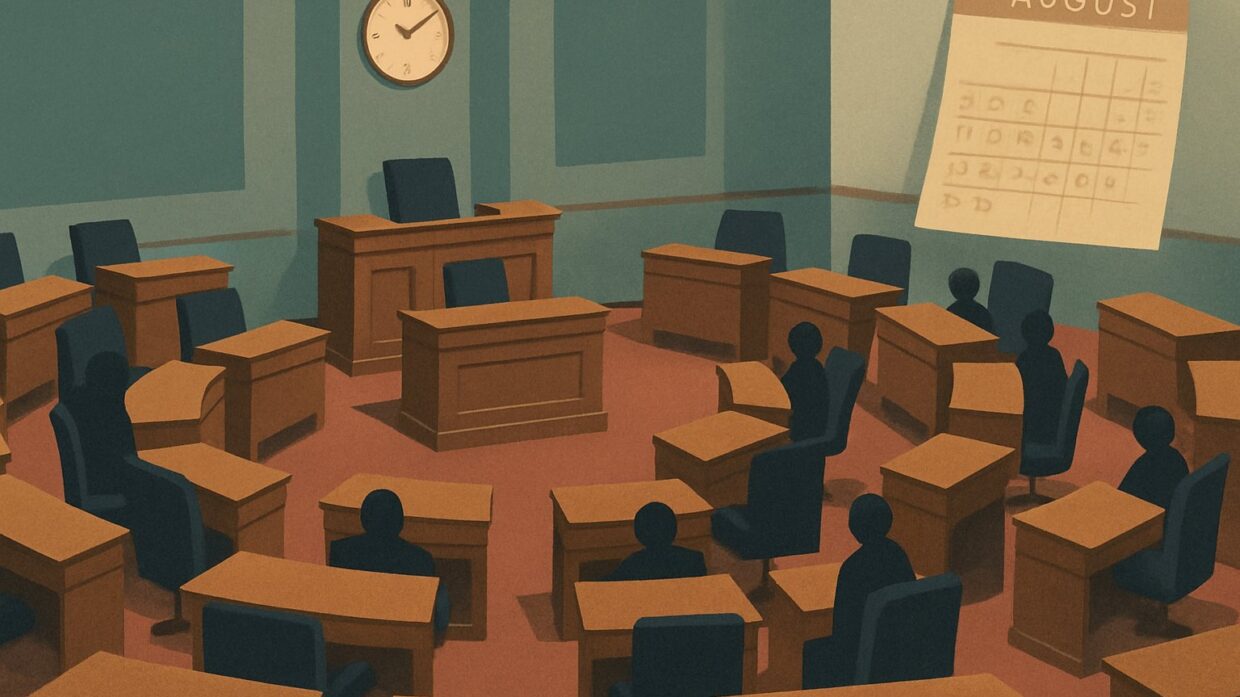
President Trump demanded that Senate Majority Leader John Thune cancel the Senate's five-week August recess and keep lawmakers in Washington until they pass the SAVE America Act, a voting bill requiring proof of citizenship. Thune responded by saying he would only agree if there were a realistic path to passage, effectively rejecting the demand without formally refusing it.
The factual record is straightforward. Trump issued the demand on a Monday, according to reporting from PBS NewsHour and The Hill. Thune told reporters he was "cool" to the idea and challenged Trump by asking, "Show me how this ends," according to multiple sources. Bloomberg reported that Trump and Thune have a "strained personal relationship" and that Trump's demands are "unattainable." No details have emerged about internal White House calculations or Thune's private reasoning beyond what he stated publicly.
The left framing emphasizes the word "escalation." The Washington Examiner headline uses "pours cold water," positioning Thune as the reasonable voice rejecting an unreasonable demand. Bloomberg's framing describes the standoff as "spilling out into the open" and threatening the GOP agenda, which implies internal dysfunction and highlights personal tension between the two leaders. This framing suggests Trump is operating outside normal legislative channels and that Thune is protecting institutional norms. What this framing leaves out is any substantive analysis of whether the SAVE America Act has genuine support among Senate Republicans or what the actual legislative pathway would require.
The right framing positions Thune as standing firm on principle. The Hill's language focuses on Thune being "cool" and setting conditions, not refusing. This makes him appear careful and strategic rather than defiant. This framing emphasizes Thune's stated concern about "wasting" senators' time, which reframes the August recess cancellation as a practical legislative matter, not a political one. What this framing does not address is how many Republican senators actually support the SAVE America Act or whether Thune's conditions are realistic or merely a polite way to block the bill.
What neither side adequately covers is the actual legislative status of the SAVE America Act itself. The reporting does not establish whether the bill has majority Republican support, what amendments or compromises might secure Democratic votes, or whether Thune's skepticism reflects genuine doubt about passage or a strategic disagreement about the bill's merits. Bloomberg reports that the standoff "threatens to torch Republican legislative priorities with less than 100 days until the November midterm elections," but the available reporting does not explain what those other priorities are or why Thune believes canceling the recess would harm them.
The underlying question is whether Thune is protecting the Senate's legislative schedule from a politically costly distraction or protecting his own authority to set the agenda against presidential pressure. His public response suggests the former, but the reporting provides no evidence of what Thune actually believes about the SAVE America Act's merits or viability.
Thune's resistance establishes a critical precedent for Senate independence from presidential overreach. By conditioning his support on a "realistic path to passage" rather than capitulating to Trump's demand, Thune signals that the chamber will not suspend regular operations based on executive pressure alone. This refusal, however polite, directly affects whether Congress can function during an election year without becoming a hostage to presidential demands for show votes on legislation lacking genuine support. If Thune had capitulated, future presidents would expect similar accommodation, effectively weaponizing the recess schedule against institutional norms. His stance protects not just the August break but the Senate's operational autonomy going forward, regardless of which party holds the presidency.