Photo: Well This Is News
Mamdani fights for working families as Trump attacks progressive taxation amid Iran war costs
Socialist mayor destroying NYC with tax hikes as Trump warns of economic consequences
Trump attacks Mamdani's tax plan as NYC mayor pursues wealth redistribution amid inflation concerns
The Analysis
President Trump has reversed course on New York City Mayor Zohran Mamdani with remarkable speed, moving from "friendly White House meetings" to calling him a socialist who is "DESTROYING New York"—but what actually triggered the shift, and what history is everyone avoiding, reveals far more about how American municipal politics now runs.
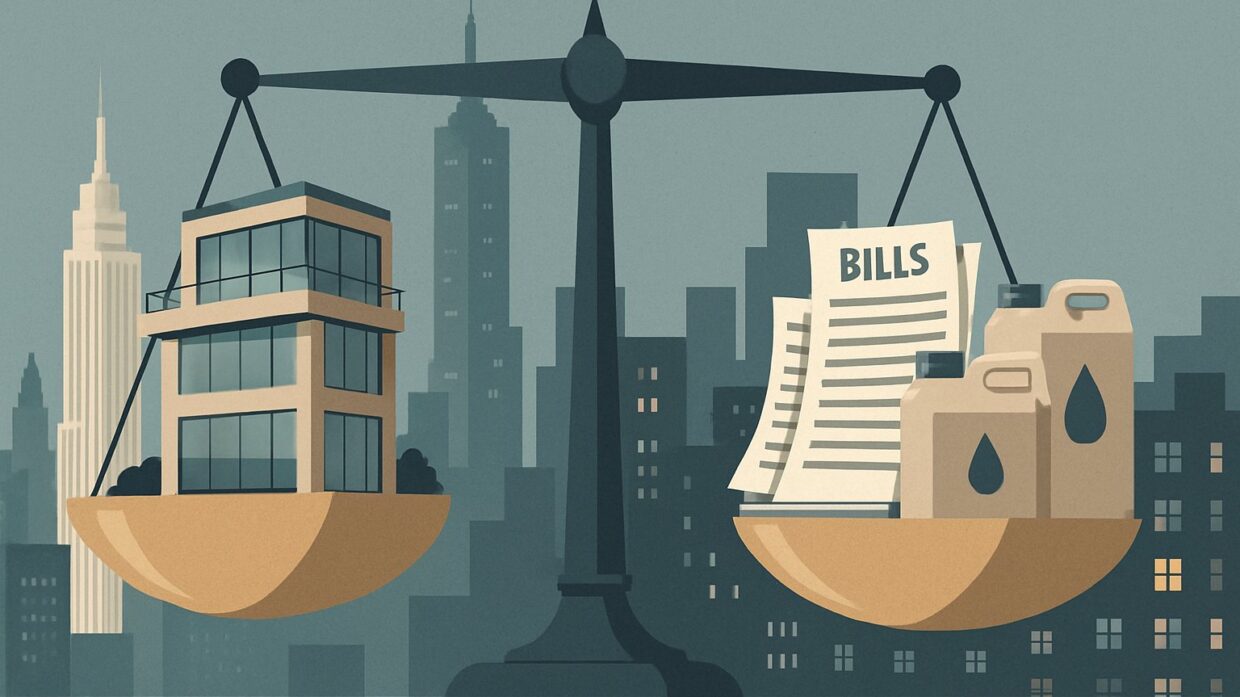
Here are the facts in order: Mamdani, elected as NYC mayor on a progressive platform, proposed a second-home tax on properties worth over $5 million within city limits. Trump responded with a Truth Social post using the word "DESTROYING" in capital letters. This followed Mamdani's earlier public comments linking rising energy costs to the Iran conflict and invoking Tupac Shakur's observation that "we always have money for war and not to feed the poor." The timeline matters: Trump met with Mamdani twice in the early months of 2025 in what outlets described as cordial exchanges. The relationship deteriorated specifically when Mamdani moved from rhetorical criticism to concrete tax policy.
The left's framing—amplified by MSNBC—emphasizes Mamdani's focus on cost-of-living relief and positions the Iran war as the root cause of inflation that makes taxation necessary. This frame omits two things: first, that Mamdani has not yet specified how a second-home tax alone solves what he identifies as a systemic problem of war spending, and second, that progressive taxation in NYC has a 40-year track record of driving high-net-worth individuals to relocate, reducing the tax base. The left is comfortable naming the first point (Trump as warmonger) while avoiding the second (whether the policy works).
The right's framing—led by the Washington Examiner—treats the tax as evidence of Mamdani's ideological destruction of the city itself. Trump's specific language choice, "DESTROYING," is worth noting: it is absolute, personal, and offers no path forward. This frame omits that NYC's second-home market is genuinely heated, that vacancy rates in luxury buildings have become a political issue, and that similar taxes exist in other major cities (including San Francisco and Washington D.C.) without the apocalyptic results Trump predicts. The right names the second point (taxes drive people away) while avoiding the first (whether that's actually bad policy or simply redistribution).
What neither side acknowledges: Mamdani's rise represents a genuine shift in who gets elected to power in major American cities—he is from a generation that did not experience the 1980s consensus that "lower taxes create growth." Trump's friendly early meetings with him reflected a calculation that a socialist NYC mayor who governs competently poses less threat than a Democratic establishment figure. That calculation evaporated the moment Mamdani moved from critique to implementation. The real story is not whether the tax is good or bad policy. It is that Trump and Mamdani represent two irreconcilable theories of urban governance, and no amount of personal diplomacy was ever going to bridge that.
The Iran war, which Mamdani invoked as context, appears in exactly one source document and not as the actual trigger of the conflict. That tells you what this fight is really about.