Photo: Well This Is News
Mamdani attends 9/11 memorial as GOP escalates mosque-style attacks on Muslim officials
Mamdani faces 110K-signature petition from victims' families over memorial attendance
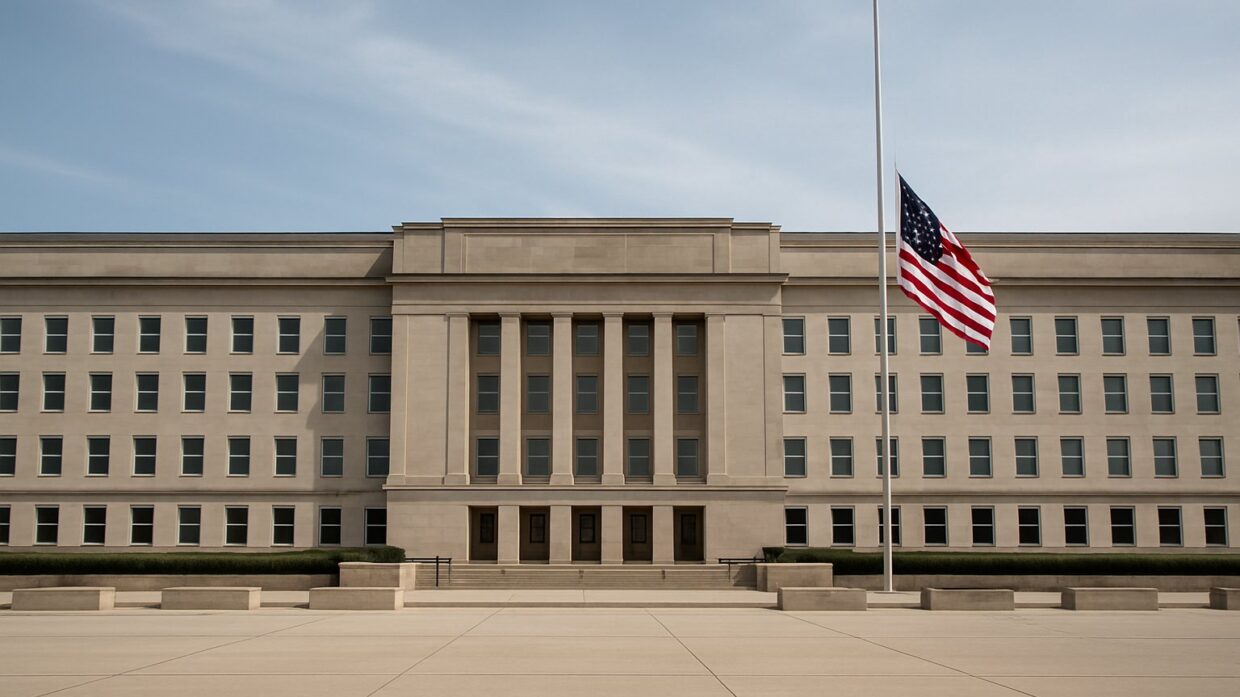
Trump at Pentagon, Vance at Ground Zero as nation marks 25 years since 9/11
Key Takeaways
- The reporting does not establish whether the 110,000-person petition primarily consisted of 9/11 families, was politically organized, or emerged organically from affected communities.
- Neither left nor right coverage examined whether Mamdani's actual record as mayor on issues affecting Ground Zero workers or families informed the opposition, or whether identity alone drove the controversy.
- The undocumented immigrants who suffered documented toxic exposure and psychological trauma at Ground Zero are now threatened with deportation, yet this health crisis and immigration issue received minimal coverage in the broader Mamdani memorial dispute.
The Analysis
The 25th anniversary of September 11 became a focal point for competing narratives about religious identity, immigration, and commemoration itself. President Trump spoke at the Pentagon while Vice President Vance attended the Ground Zero ceremony alongside former presidents. The substantive news was overshadowed by conflict over whether NYC Mayor Zohran Mamdani should attend the memorial, with a petition signed by over 110,000 people opposing his presence and 9/11 victims' families explicitly calling for him to stay away.
The documented facts are these: Mamdani attended the ceremony on September 11, 2026. Over 110,000 people signed a petition objecting to his attendance. Victims' families, including Jeannette Puccio-Pick whose father was killed in the attacks, made public statements opposing his presence. The right-leaning outlets framed this opposition as rooted in legitimate concern from families directly affected by the tragedy. The left-leaning outlets framed the opposition as part of a recurring pattern of Republicans targeting Muslim officials around 9/11 anniversaries, drawing explicit parallels to the 2010 controversy over the Muslim community center near Ground Zero.
What the right's framing emphasizes is the voice of affected families and the scale of the petition opposition, using the direct language of victims themselves. Fox News quoted the petition as coming from victims' families. Breitbart ran the exclusive statement from Puccio-Pick in her own words: 'Don't Come. We Don't Want You There.' This frames the controversy as grassroots opposition from those with standing to object, not as partisan attack. What this framing leaves out is whether the petition signatures included 9/11 families or reflected broader political organization, and whether opposition to Mamdani's attendance had specific policy-based justifications beyond his attendance as mayor.
What the left's framing emphasizes is historical pattern and political motivation. HuffPost directly titled the comparison 'Ground Zero Mamdani' to echo 'Ground Zero Mosque,' arguing that the playbook is recurrent. NPR's coverage of undocumented immigrants who cleaned Ground Zero and now fear deportation runs parallel to this frame, suggesting that opposition to Mamdani's presence is inconsistent with honoring those workers. This framing emphasizes that targeting Muslim-identified officials becomes particularly acute around 9/11 anniversaries. What this framing leaves out is the specific grounds on which families objected to Mamdani, whether those grounds were substantive or identity-based, and what, if any, prior controversies involving Mamdani as mayor preceded the memorial controversy.
What neither side foregrounds is the undocumented immigrant workers whose toxic exposure at Ground Zero remains a documented health crisis, many of whom now live under deportation threat. NPR established that these workers experienced both toxic debris exposure and psychological trauma, yet neither the left nor right coverage of the Mamdani controversy addresses whether his mayoralty has addressed their situation. The coverage also does not establish whether Mamdani's presence at the memorial reflected prior disagreement with families or whether the petition itself was itself organized by political actors rather than emerging organically from affected families. The Washington Examiner's separate coverage of Abdul Rahman Yasin, the 1993 World Trade Center bombing suspect who remains at large, appears adjacent to the Mamdani story but the sources do not establish a connection between that coverage and the Mamdani controversy.
The actual story is narrower than either framing captures: Mamdani attended a memorial ceremony despite opposition from some 9/11 families and a large petition. Whether that opposition was rooted in his record as mayor, his religious identity, or both remains unclear in the available reporting.
The Mamdani controversy crystallized a structural problem in how America commemorates 9/11: the memorial has become a venue for settling unrelated political disputes rather than addressing concrete harms. The undocumented workers who cleaned toxic debris at Ground Zero and now face deportation represent an actual policy failure that neither the right's focus on family opposition nor the left's historical pattern argument engages. If Mamdani's mayoralty has not addressed their health crisis and legal precarity, that represents a legitimate grounds for criticism disconnected from his religious identity. If it has, that absence from the coverage itself becomes newsworthy. The memorial's transformation into a partisan battleground obscures what remains outstanding: holding any administration accountable for workers whose sacrifice during and after the attacks continues to extract a price their government refuses to pay.